 Kristina Vankova
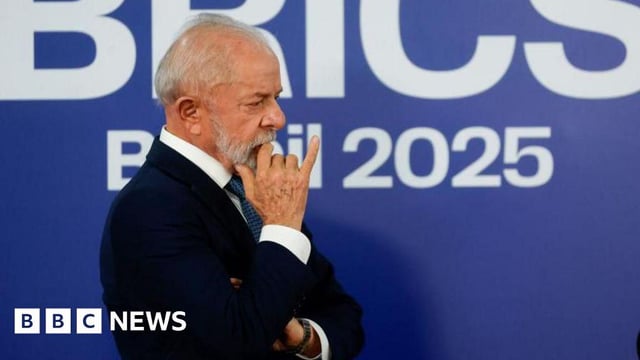
The Brazilian government has announced its plan to implement retaliatory measures in response to the U.S. administration’s proposed increase in tariffs on steel and aluminum imports. The move by Brazil is poised to escalate trade tensions and impact bilateral economic relations between the two countries. Brazilian authorities have stated their intent to mirror the tariffs proposed by the United States, signaling a tit-for-tat strategy aimed at protecting its national interests and industries.
Background of the Trade Dispute
The origins of the current trade rift trace back to the U.S. government’s announcement of imposing heightened tariffs on steel and aluminum imports, citing national security concerns. The tariffs, characterized by the U.S. as necessary to revitalize domestic industries, have stirred a global debate on protectionism versus free trade. Brazil, a major exporter of these commodities to the United States, stands to be significantly affected by these changes.
Historically, Brazil has been a key supplier of steel and aluminum to the American market. The bilateral trade in these products has supported numerous jobs and economic activities in both countries. However, the imposition of tariffs threatens to disrupt this symbiotic relationship, prompting Brazil to consider its response options critically.
Potential Economic Impact
The imposition of reciprocal tariffs by Brazil is expected to have a profound impact on various sectors. Economists speculate that the agricultural and manufacturing sectors, which rely heavily on exports, could face increased operational costs and logistical challenges. Furthermore, the automotive industry, a significant consumer of steel and aluminum products, could experience a knock-on effect, leading to potential price increases for consumers.
On the U.S. side, industries that depend on raw materials from Brazil might have to grapple with higher costs or seek alternative sources, potentially affecting product pricing and competitiveness. The ripple effect of these tariffs could extend beyond the immediate industries, influencing trade patterns, investment decisions, and even employment levels in related fields.
Brazil’s Strategic Considerations
Brazil’s decision to impose counter-tariffs highlights its strategic considerations in maintaining leverage within global trade frameworks. By matching U.S. tariffs, Brazil aims to protect its domestic industries from unfair competitive disadvantages. Additionally, the move reflects Brazil’s broader economic policy priorities aimed at bolstering its negotiating position in future trade discussions.
Moreover, Brazil’s response also serves as a signal to other trading partners about its commitment to defending its economic interests while adhering to international trade rules. As a member of various trade alliances, Brazil’s actions in this scenario could set precedents for future trade policies with other nations.
Global Reactions and Future Prospects
The international community is closely monitoring the developments of this trade dispute. Other nations that are similarly impacted by the U.S. tariffs may look to Brazil’s response as a blueprint for their own strategies. There is also concern about the potential for a wider trade war, which could have far-reaching consequences for global economic stability.
As talks and negotiations continue at the diplomatic level, the eventual resolution of this dispute will require both strategic foresight and compromise. Industry experts suggest that diplomatic engagement and multilateral discussions could pave the way for easing tensions and arriving at mutually beneficial trade agreements.
In the event of a prolonged conflict, businesses involved in the affected sectors might need to adapt by diversifying their supply chains and exploring new markets to offset potential losses. This proactive approach could mitigate some immediate impacts but would require additional resources and strategic planning.
Overall, Brazil’s retaliatory measures highlight the complex interplay between national economic policies and global trade dynamics. The unfolding situation serves as a pivotal point for assessing the future of international trade relationships, emphasizing the need for cooperation and strategic alignment among global players.