 Kristina Vankova
The world of international finance is on the cusp of significant transformation as the BRICS nations—Brazil, Russia, India, China, and South Africa—explore the potential of a unified digital currency network. This ambitious proposal, spearheaded by India’s central bank, aims to enhance economic cooperation among member countries and bolster their influence in the global financial system.
India’s Drive for Economic Integration
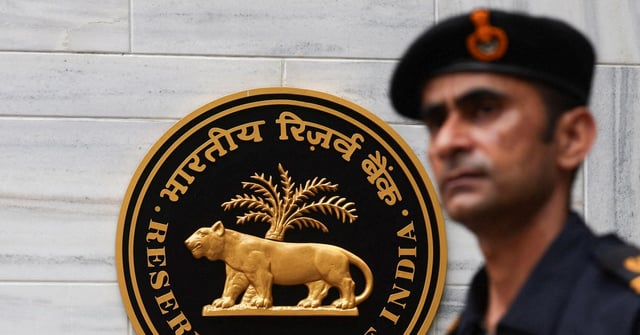
India’s central bank has taken a proactive stance in advocating for the creation of a digital currency network that would link the BRICS economies. This proposal is motivated by the desire to streamline financial transactions, reduce dependency on traditional global currencies like the U.S. dollar, and promote economic integration within the consortium. Indian officials believe that such a system could enhance trade facilitation and investment among the member states, paving the way for greater financial autonomy.
This move comes amid global discussions about central bank digital currencies (CBDCs) and their potential to revolutionize the banking and financial sectors. By pushing for a unified system, India aims to ensure that the BRICS nations are not left behind in this digital revolution.
The Role of Digital Currency in Global Finance
As digital currencies rapidly gain traction worldwide, they present both opportunities and challenges for global economies. For the BRICS nations, a unified digital currency network offers potential benefits such as reduced transaction costs, increased transparency, and enhanced financial inclusion. By leveraging blockchain technology, these digital currencies can lower the barriers that traditionally impede cross-border transactions, fostering a more interconnected financial ecosystem.
Additionally, a BRICS digital currency network could provide a counterbalance to the dominance of Western financial systems. By developing their digital currency infrastructure, these nations can assert greater control over their monetary policies and reduce their reliance on external financial institutions, thus reinforcing their sovereignty.
Potential Challenges and Considerations
While the idea of a unified digital currency network is promising, it is not without obstacles. The differences in economic conditions, regulatory environments, and technological infrastructures across BRICS countries pose significant challenges to the successful implementation of a digital currency network.
- Divergent Economic Policies: Each BRICS nation has its unique economic priorities and monetary policies, which may complicate the creation of a cohesive digital currency system.
- Regulatory Hurdles: Aligning the regulatory frameworks of five diverse nations is a intricate endeavor that requires extensive negotiation and compromise.
- Technological Barriers: Differences in technological advancement across these countries could impact the seamless integration of a digital currency network.
Global Implications and Future Prospects
The proposal for a BRICS digital currency network has far-reaching implications for the future of global finance. If successful, it could set a precedent for other regional alliances seeking to enhance their economic autonomy through digital currencies. The initiative also highlights the growing importance of collaboration among emerging economies to counterbalance the influence of established financial powers.
Observers are keenly watching the BRICS nations as they navigate the complexities of digital currency integration. As these discussions progress, they will provide valuable insights into the potential of digital currencies to transform international trade and finance.
The BRICS nations’ efforts to establish a unified digital currency network underscore the growing momentum towards digital transformation in global finance. While challenges remain, the initiative reflects a collective drive to redefine the financial landscape and position these economies at the forefront of innovation.