 Kristina Vankova
In a bold stance against unfavorable trade negotiations, Canada is refusing to settle for a subpar deal with the United States concerning controversial tariffs. In recent discussions, Canadian officials have reiterated their commitment to securing a fair agreement, one that serves the best interests of both economies. This defiant posture emerges amidst mounting pressures and ongoing trade tensions between the two neighboring countries, each vying to protect its economic interests.
Canada’s Determination in Trade Talks
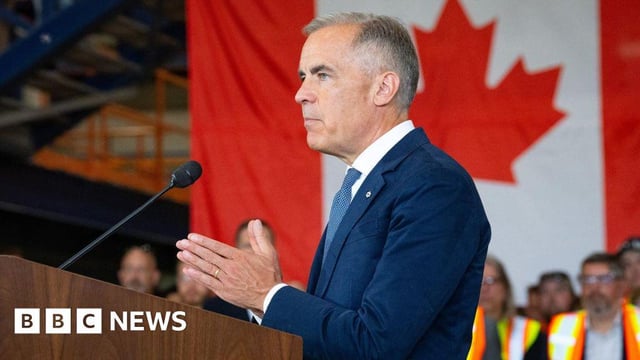
Canadian Minister of Finance, Mark Carney, has been vocal about the nation’s resistance to buckle under pressure for a quick resolution. Carney’s remarks highlight Canada’s refusal to compromise on key issues because of external expectations or the demands of the U.S. administration. “We are committed to engaging in discussions that lead to a beneficial outcome for both sides, but we will not endorse an agreement that undermines Canada’s economic stability,” Carney affirmed.
This determination by Canada extends beyond rhetoric, as officials have consistently prepared to explore various strategies to leverage their negotiating position effectively. The focus is not merely on reaching an agreement but ensuring that such an agreement reflects equitable conditions that accommodate Canada’s economic landscape.
Understanding the Contentious Tariffs
The core of the dispute lies in the tariffs imposed by the United States on certain Canadian imports, which have been perceived as discriminatory and potentially harmful to Canada’s industrial sectors. These tariffs, according to Canadian delegates, disrupt the long-standing trade balance and could have far-reaching impacts on jobs and industries critical to Canada’s economy, such as the steel and aluminum sectors.
Experts argue that these trade measures not only strain economic ties but also create a precarious precedent for international trade norms. The tariffs are part of broader protectionist policies which have increasingly become a hallmark of the current U.S. trade strategy. Canada’s response, therefore, isn’t just about defending its economic interests but also about asserting principles of fair trade practices.
Strategies Moving Forward
In light of these challenges, Canada is exploring a spectrum of potential responses. Among the most discussed is the possibility of imposing retaliatory tariffs, a move that would mimic recent actions taken by other countries in similar disputes. While such measures come with their own set of consequences, Canadian authorities have not ruled them out should negotiations stall or fail to produce a balanced outcome.
Additionally, Canada is actively seeking support from international trade organizations, aiming to bolster its position through multilateral discussions. By appealing to the World Trade Organization (WTO) and engaging with other trade partners, Canada hopes to apply diplomatic pressure that could sway negotiations in its favor.
There is also deliberate openness to diversifying trade relationships beyond the United States. Efforts to expand trade agreements with European and Asian markets are underway, promising to reduce dependency on the American economy and mitigate risks associated with current tensions.
While these are pragmatic approaches, Canadian officials remain cautiously optimistic about the prospects of a resolution. The complexity and depth of these negotiations require patience and strategic finesse, qualities that Canadian trade representatives are confident they possess.
As talks progress, observers are closely monitoring these developments, aware that the outcome of these discussions could set significant precedents for future North American trade relations. The unfolding narrative is a testament to the delicate and intricate nature of international trade in which sovereignties must navigate not just economic realities, but geopolitical considerations as well.
In standing firm against an unfavorable deal, Canada is championing a narrative of resilience and integrity, two pillars that remain crucial to its negotiating strategy. In doing so, it leaves an indelible mark on the negotiation table, asserting that while cooperation is essential, it cannot come at the cost of compromising national economic integrity. The coming weeks and months promise decisive action and, perhaps, a turning point in North American trade history.