 Kristina Vankova
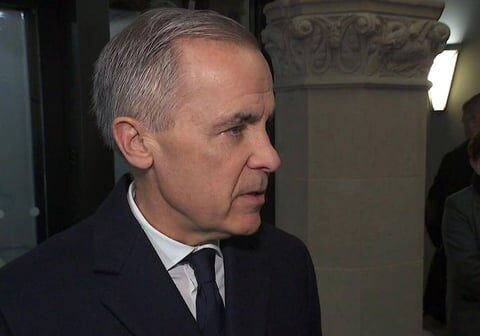
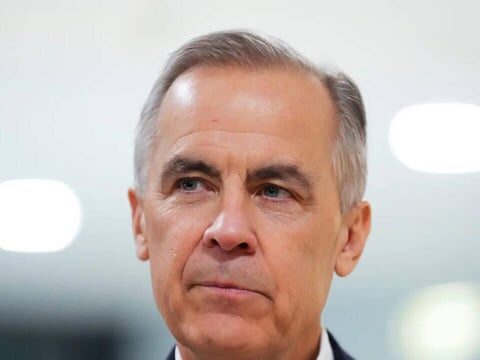
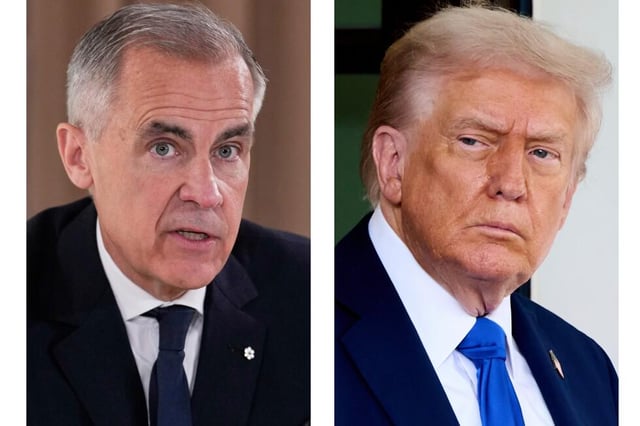
Amid rising tensions in international trade, former Canadian Minister of Finance, Mark Carney, has voiced strong criticism against former U.S. President Donald Trump’s trade strategies. Carney’s remarks come at a pivotal moment as the United States and Canada prepare for negotiations critical to both countries’ economic interests.
Trade Tensions Ahead
Carney, renowned for his clear-cut approach to economic policy, did not mince words as he addressed the heightened rhetoric from Trump’s administration. In a pointed statement, Carney labeled Trump’s tariff threats as mere “bluster,” suggesting they may lack the substantive backing required to create sustainable economic policy. This assessment carries particular weight as it comes from a respected figure in international finance who has served as governor of both the Bank of Canada and the Bank of England.
The core of the controversy stems from Trump’s well-publicized stance on tariffs, which he claimed were necessary to protect American jobs and industries. However, Carney’s critique highlights the potential adverse effects of these measures, not only on the U.S. economy but also on global trade dynamics. His comments suggest that Trump’s policies could exacerbate trade imbalances rather than resolve them.
Implications for US-Canada Relations
As the U.S. and Canada prepare to engage in strategic talks, the stakes are high. These discussions are expected to cover a range of topics, from the ongoing renegotiation of the North American Free Trade Agreement (NAFTA) to newer concerns about technology and data security. Carney’s critical tone underscores the delicate nature of these talks and the potential repercussions for both nations.
Canada, one of the United States’ largest trading partners, has expressed its own concerns regarding the impact of tariffs. Canadian industries, particularly in the automotive and agricultural sectors, could face significant challenges if the U.S. stiffens its trade barriers. Such moves could trigger retaliatory measures from Canada, leading to a possible trade war—a scenario both nations are keen to avoid.
The Economic Stakes
- NAFTA Renegotiations: Any potential changes to NAFTA could redefine the economic landscape for North American countries. Carefully balanced agreements are crucial in ensuring mutual benefits.
- Tech and Innovation: As technology and data become key components of trade talks, ensuring the security of digital economies stands as a priority for both Canada and the U.S.
- Energy and Environment: With Canada being a major supplier of energy to the U.S., particularly through oil and natural gas, changes in trade policy could have significant environmental and economic implications.
Carney’s Influence and the Global Perspective
Mark Carney’s critique is particularly influential due to his extensive experience and international reputation. As someone who has navigated complex economic challenges on the global stage, his insights offer a sobering perspective on how high-risk trade strategies could impact not only U.S.-Canada relations but also broader global trade systems.
Global markets have responded anxiously to the potential for heightened tariffs, with investors keeping a close eye on how these talks unfold. The uncertainty generated by trade tensions could influence investment decisions and long-term economic strategies, underscoring the importance of reaching a balanced approach.
Carney’s remarks thus serve as a call for careful consideration and strategic negotiation, reminding stakeholders of the intricate interplay between rhetoric and real-world economic outcomes. His critique suggests that a nuanced understanding of trade impact is crucial for leaders navigating these complex waters.
As both countries enter negotiations, the direction taken will hinge significantly on the ability of leaders to transcend heated rhetoric and focus on actionable solutions. The resulting dialogue will likely shape not only bilateral relations but also set a precedent for future international economic policies—a development both leaders and global markets will watch closely.