 Kristina Vankova
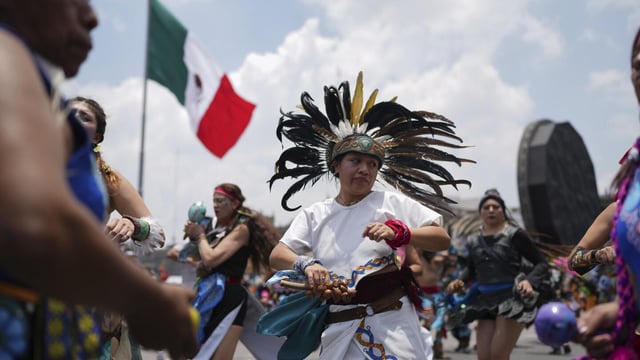
Marking a monumental milestone, Mexico City recently celebrated its 700th anniversary since its foundation by the Mexica people, known as the Aztecs. This anniversary not only highlights the capital’s deep historical roots but also underscores the cultural and social influences that have shaped it into one of the world’s largest and most vibrant urban areas. From its indigenous origins to its current status as a bustling metropolis, the city embraces a legacy that intertwines ancient traditions with modern advancements.
A Glimpse into the Past
The story of Mexico City begins with the journey of the Mexica people, who migrated from Aztlán and settled on what would become an iconic site. In 1325, they founded the city of Tenochtitlan, an island settlement in the heart of Lake Texcoco. Today, it stands as a testament to their remarkable ingenuity and resilience. Tenochtitlan’s design was an architectural marvel, featuring an intricate network of canals and causeways that connected the island city to the mainland, making it a vital center of commerce and culture for the Mexica civilization.
Beyond its physical attributes, Tenochtitlan was also the spiritual heartland of the Aztec Empire. The city’s central precincts housed magnificent temples dedicated to various gods, including the Templo Mayor, a grand pyramid built in honor of the gods Huitzilopochtli and Tlaloc. These structures served as vital places for religious ceremonies and rituals that reinforced the Mexica’s connection to their deities and natural environment.
Enduring Influence and Cultural Rebirth
The fall of Tenochtitlan in 1521, following the Spanish conquest led by Hernán Cortés, marked a pivotal moment in the city’s history. Despite the destruction, the underlying spirit and traditions of the Mexica endured, contributing unyieldingly to the cultural fusion that emerged over the ensuing centuries. Colonial architecture rose from the ruins, yet the soul of the ancient city remained deeply entwined with its new identity, as Mexican culture began to blend indigenous customs with Spanish influences to form a unique mestizo heritage.
In modern times, Mexico City has become a cultural epicenter where ancient traditions are not only preserved but also celebrated and reinterpreted in contemporary contexts. Museums dedicated to pre-Hispanic history, like the National Museum of Anthropology, play a crucial role in keeping the legacy of the Aztec civilization alive. Meanwhile, annual festivities such as the Day of the Dead reflect the harmony between past traditions and modern cultural expression, providing a vibrant reminder of the city’s enduring indigenous heritage.
The Modern Metropolis
Today, Mexico City stands as a thriving metropolis that seamlessly fuses past and present. Its streets are lined with bustling markets, historic sites, and avant-garde architecture, symbolizing the interplay between its foundation and future. As the city continues to expand and innovate, it maintains a deep connection to its origins, evident in the widespread appreciation for indigenous art, cuisine, and language that permeate daily life.
Efforts to honor and protect indigenous cultures have intensified in recent decades, spurred by a national and global movement to recognize the rights of native peoples. The emphasis on cultural preservation, combined with progressive urban development, allows for an inclusive narrative that embraces diversity and acknowledges the invaluable contributions of the Mexica and other indigenous groups to Mexico’s national identity.
In this milestone year, the people of Mexico City and beyond continue to celebrate their rich history while looking forward to a future that respects and cherishes the multifaceted layers of their cultural heritage. As the city commemorates its 700-year journey, it serves as a beacon of resilience and cultural synthesis, reminding the world of the profound interconnection between past legacies and contemporary life.