 Kristina Vankova
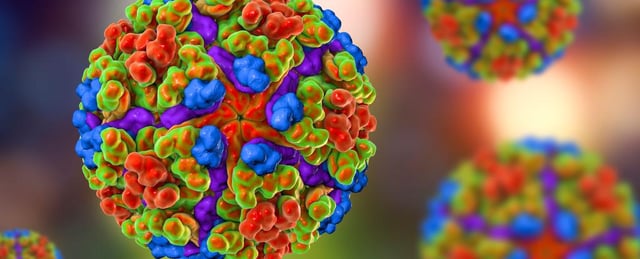
The world is facing an increasing health challenge as the chikungunya virus emerges with greater intensity across various regions. First identified in Tanzania in 1952, this viral disease, known for causing debilitating joint pain, is transmitted primarily by Aedes mosquitoes. The recent surge in cases has placed chikungunya under global scrutiny, as health officials race to contain its spread and understand its evolving threat.
Understanding Chikungunya
Chikungunya is a viral infection that presents symptoms similar to dengue fever, including high fever, joint and muscle pain, headache, and rash. However, the hallmark of chikungunya is severe joint pain, which can persist for weeks, months, or even longer, causing significant impairment to those afflicted.
The virus’s spread is facilitated by the Aedes aegypti and Aedes albopictus mosquitoes, which thrive in tropical and subtropical climates. These mosquitoes are also vectors for other diseases, such as Zika and dengue, highlighting the complex public health challenges faced by affected regions.
Global Spread and Impact
Historically confined to Africa and Asia, chikungunya has successfully transcended geographic barriers, with significant outbreaks reported in Europe and the Americas in recent years. The first widespread outbreak in the Western Hemisphere occurred in the Caribbean in 2013, quickly expanding to Central and South America. Such rapid spread underscores the need for vigilant public health measures and increased global awareness.
Researchers attribute this global expansion to several factors, including changing climate conditions that expand mosquito habitats, increased international travel facilitating the virus’s movement across borders, and urbanization that creates optimal breeding grounds for mosquitoes.
Public Health Initiatives and Challenges
The response to the chikungunya outbreak varies across countries, often reflecting the resources available for public health initiatives. While some nations have implemented robust mosquito control programs, others struggle due to limited infrastructure and funding.
Health organizations such as the World Health Organization (WHO) and the Centers for Disease Control and Prevention (CDC) play critical roles in coordinating international response efforts. They provide guidelines for mosquito control, support vaccine research, and educate the public about preventive measures.
Community and Government Efforts
Efforts to combat chikungunya emphasize the importance of community involvement and government support. Public education campaigns are crucial in encouraging practices that reduce mosquito breeding, such as eliminating standing water and using mosquito nets.
- Promoting personal protective measures like insect repellent use and wearing long-sleeved clothing.
- Enhancing surveillance systems to monitor and quickly respond to outbreaks.
- Supporting research into effective vaccines and treatments to mitigate the virus’s impact.
Innovations in Treatment and Prevention
Scientific advancements offer hope for better control of chikungunya. Researchers are exploring innovative approaches, including genetic modification of mosquitoes to reduce their population, and developing vaccines to prevent infection. Although no vaccine is currently available, clinical trials are underway, showing promise in providing immunity and reducing the disease’s prevalence.
The fight against chikungunya is further supported by improving diagnostic tools, allowing for quicker identification and isolation of outbreaks. Rapid diagnostic tests enhance the ability of health services to respond promptly, potentially limiting the virus’s spread.
As the chikungunya virus continues to pose a significant threat to global public health, the international community remains committed to combating its spread. It is imperative for stakeholders, including governments, health organizations, and local communities, to collaborate effectively, share resources, and support research efforts aimed at eliminating vector-borne diseases. Through these combined efforts, the world can hope to mitigate the impact of chikungunya and safeguard the health of vulnerable populations.