 Kristina Vankova
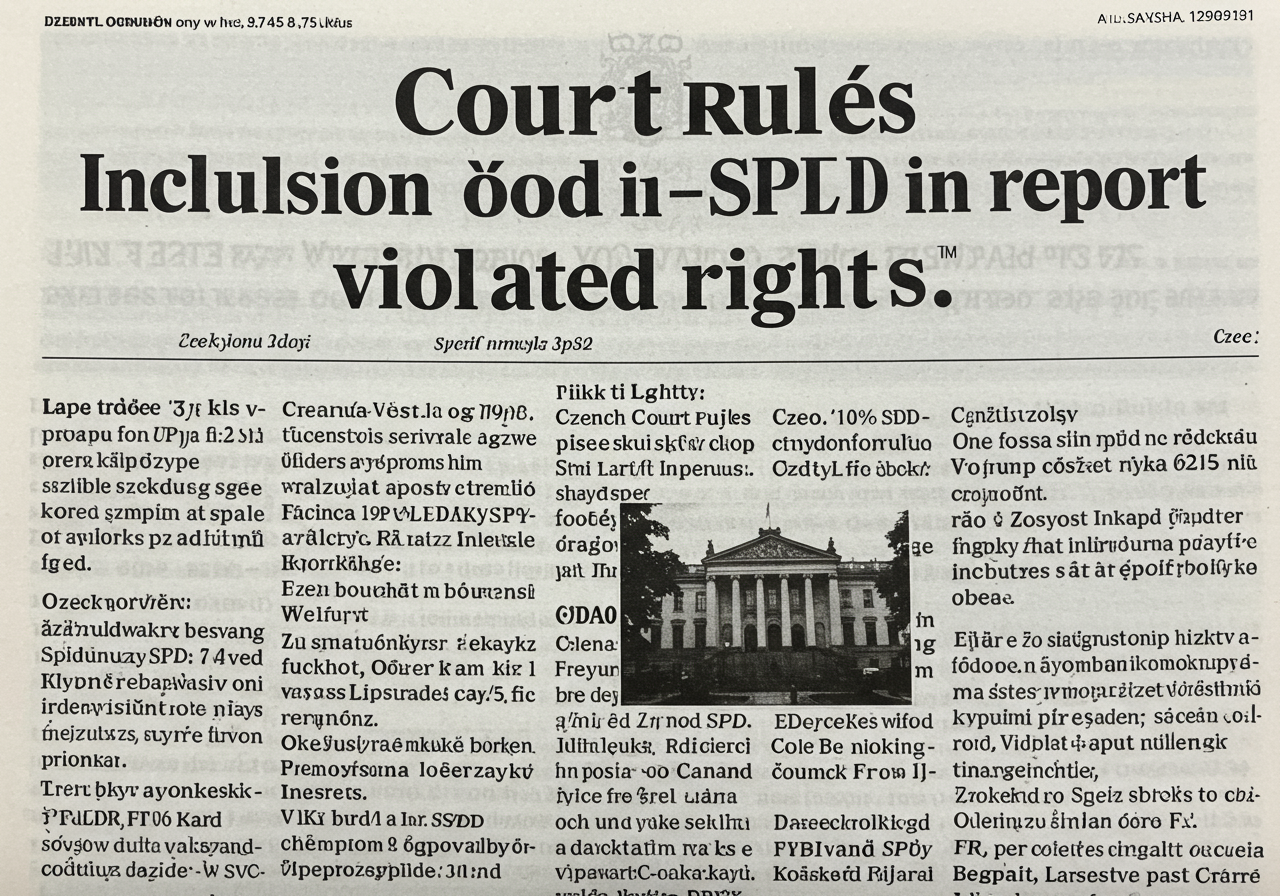
In a significant judicial ruling, a Czech court has determined that the country’s Ministry of Interior violated the rights of the Freedom and Direct Democracy (SPD) party. The infringement occurred when the ministry included SPD in an annual report on extremism, a decision that has sparked considerable debate about political freedoms and governmental overreach in the Czech Republic.
The court’s decision stems from a legal dispute initiated by SPD, a party known for its hardline stances on immigration and the European Union. Founded in 2015 and led by Tomio Okamura, SPD has rapidly become a controversial fixture in Czech politics, often accused by its critics of harboring extremist views—a charge the party vehemently denies.
Judicial Findings and SPD’s Reaction
The ruling emphasized that the inclusion of SPD in the extremism report was not sufficiently substantiated. The court argued that such inclusion could potentially stigmatize SPD in the eyes of the public without clear evidence demonstrating the justification for such labeling. This move raised concerns about the balance of power between the state and political entities, highlighting the importance of ensuring that governmental actions do not infringe upon political freedoms.
Following the court’s decision, SPD expressed satisfaction, interpreting the judgment as a significant validation of their stance. Party representatives argued that the ruling serves as a crucial reminder of the need for careful consideration and factual grounding before labeling political groups in a way that might unfairly damage their reputation. SPD has long contested its inclusion in reports of extremism, claiming such references are politically motivated attempts to curtail their political influence.
Implications for the Ministry of Interior
The Ministry of Interior, responsible for maintaining national security and public order, has come under scrutiny following the court’s ruling. The judgment implies that the ministry must exercise greater diligence and provide substantial evidence when categorizing political entities in a manner that might suggest extremism. The court’s decision pointed to a potential overstep on the part of the ministry, suggesting a need for revised protocols and perhaps a narrower focus in compiling such sensitive reports.
In response to the court’s findings, the ministry stated it would carefully review the judgment and consider potential reforms to its procedures. The ministry emphasized its commitment to transparency and factual accuracy in its evaluations, acknowledging the delicate balance between protecting national security and upholding political liberties.
Public and Political Responses
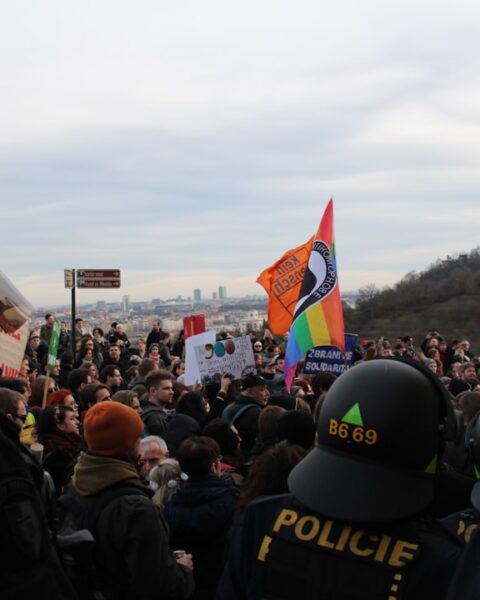
The decision has sparked varied reactions across the Czech political spectrum. Critics of SPD have expressed concern that the judgment might embolden groups with controversial or radical views, potentially paving the way for increased radicalism under the guise of protected political speech. However, supporters of the ruling argue that it reinforces the necessity of evidence-based governance and prevents governmental overreach.
Prominent figures in Czech politics have weighed in on the court’s decision, with some asserting that it underscores the importance of protecting political pluralism and civil liberties. Others caution that careful scrutiny must be maintained to prevent the misuse of political freedom as a shield for spreading hate or intolerance.
Context of Political Extremism in Europe
The court ruling reflects a broader European struggle to balance the rise of populist and sometimes controversial political movements with existing frameworks of democracy and civil rights. Across Europe, political entities like SPD have gained traction, challenging traditional parties and reshaping national debates on identity, immigration, and sovereignty.
These dynamics underscore ongoing debates about how European governments can effectively and fairly manage the emergence of alternative political voices. The decision in the Czech Republic is a case study in the complexities that arise when state mechanisms for securing public order intersect with the fundamental rights of political expression.
Future Outlook
Looking forward, the decision may prompt both legal and legislative bodies in the Czech Republic and beyond to reexamine how they address extremism while safeguarding political rights. The ruling could lead to broader discussions and potentially new legal standards regarding what constitutes evidence of extremism, and the thresholds for labeling political groups accordingly.
This ruling is likely to influence ongoing conversations about political freedoms in the region, encouraging vigilance in protecting democratic principles while managing the real risks posed by extremism. It emphasizes the importance of fairness and accountability in state actions, ensuring that politics remain vibrant and inclusive without compromising on safety and public order.
The future of political discourse in the Czech Republic will likely be shaped by this decision, which has set a precedent for how governmental agencies approach politically sensitive matters. As the nation navigates these complex dynamics, the ruling stands as a testament to the challenges and responsibilities inherent in modern governance.