 Kristina Vankova
In the recently conducted opinion polls leading up to the Czech Republic’s parliamentary elections, the ANO movement, helmed by former Prime Minister Andrej Babiš, has garnered significant attention, emerging as the most popular political force in the country. These insights come at a time of political volatility and economic uncertainty, underscoring citizens’ broad concerns about governance and policy directions.
The Political Landscape
The current political landscape in the Czech Republic is marked by diverse challenges. With socio-economic issues taking center stage, voters are keenly evaluating which party can best steer the nation through its current predicaments. ANO’s rise in the polls indicates a shift in voter sentiment, as citizens resonate with the movement’s promises of pragmatic and decisive governance.
ANO’s popularity is largely a result of its appeal to a wide array of voter demographics. It reflects public desire for robust economic policies and efficient management of resources. Babiš’s past tenure had its share of controversies, yet his party’s current rhetoric focuses on stability, growth, and welfare—essential factors influencing the voters’ preference.
Key Insights from the Polls
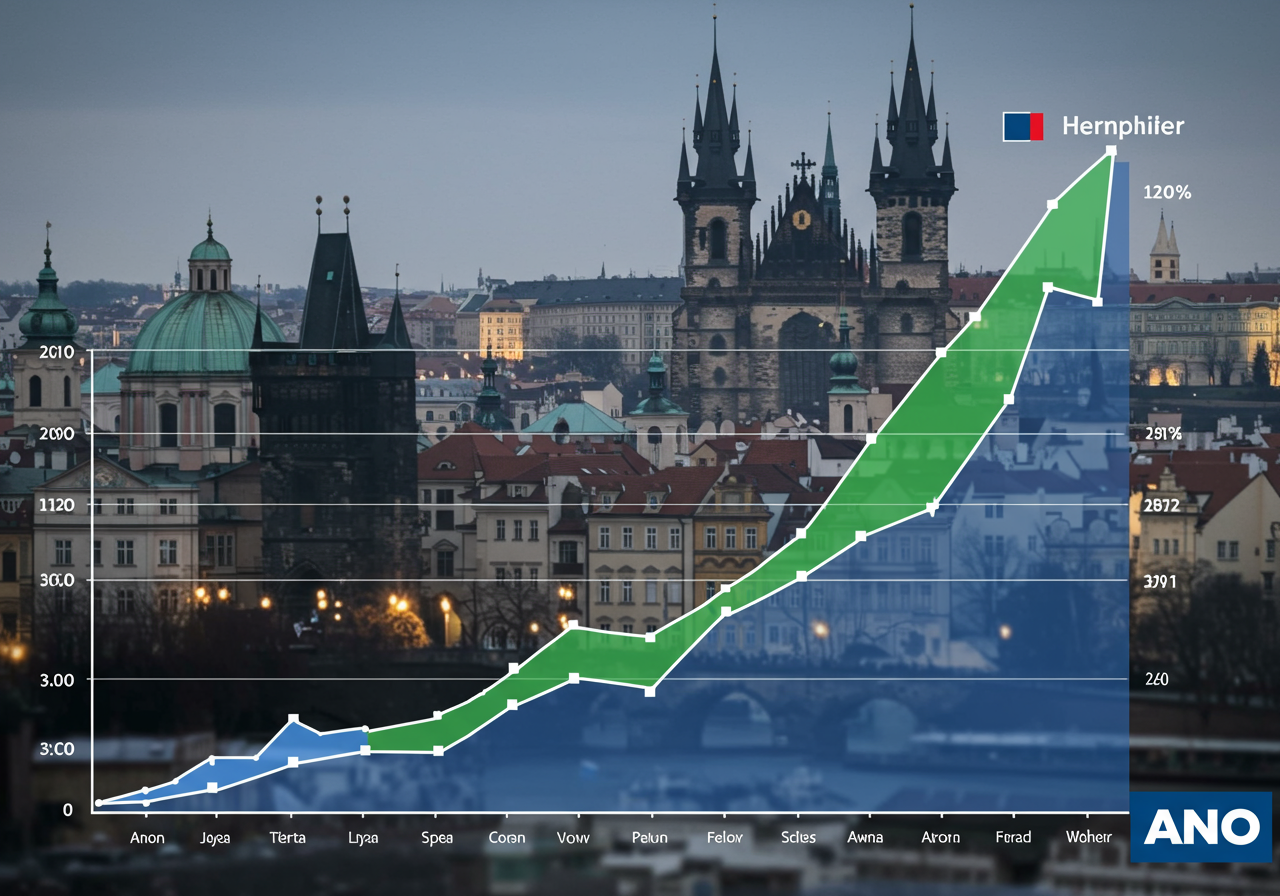
The opinion surveys reveal that ANO holds a noticeable lead against its competitors. Analysts attribute this lead to several factors, including the party’s strategic engagement with both urban and rural populations. The ability of ANO to communicate effectively with diverse audiences has amplified its support base, translating into positive polling numbers.
Another factor contributing to ANO’s lead is its focus on addressing the economic concerns that are high on the electorate’s agenda. By prioritizing job creation, infrastructural development, and social welfare programs, ANO has positioned itself as a party capable of steering the economy towards recovery and growth.
Major Competitors and Their Strategies
While ANO leads the polls, other political parties in the Czech Republic are also campaigning hard to capture the electorate’s attention. The Civic Democratic Party (ODS), the Pirate Party, and the Christian and Democratic Union – Czechoslovak People’s Party (KDU-ČSL) have all unveiled strategies to garner favor with voters.
ODS is banking on its promise of conservative economic policies, advocating for tax reforms and reduction of bureaucratic processes. Its platform appeals to business owners and economically liberal individuals. Meanwhile, the Pirate Party has focused on transparency, internet freedom, and civil rights, thus appealing to younger, progressive electorates.
KDU-ČSL, with its traditional base of Christian voters, pushes for family-oriented policies and community welfare. They aim to sway voters with their commitment to ethical governance and community values, setting themselves apart with a platform centered around social cohesion.
Challenges and Controversies
Despite leading in the polls, ANO faces several challenges, including addressing the concerns of its detractors who cite issues from Babiš’s previous administration. These controversies stem from allegations of conflicts of interest and governance challenges, which opponents are keen to highlight during the election campaign.
There is also the broader challenge of navigating a coalition government, which will be inevitable given the proportional representation system. For ANO, crafting alliances while maintaining its core policy objectives will require strategic negotiations and compromises.
Implications for Future Governance
The leading position of ANO in the polls has varied implications for the future of Czech governance. Should they translate their polling success into actual electoral victory, it will lead to a government poised to enact policies focused on economic resilience and administrative efficiency.
Furthermore, ANO’s leadership could introduce shifts in foreign policy alignments, prioritizing economic partnerships and international collaborations that bolster the country’s global standing. This potential recalibration would necessitate careful bilateral engagements to sustain favorable diplomatic and economic ties.
Voter Concerns and Expectations
The main concerns for voters revolve around economic stability, the rise of inflation, and public health management post-pandemic. The electorate expects policies that provide immediate relief and long-term solutions to enhance living standards and promote sustainable growth.
There is also increased discourse around climate policies, digital transformation, and educational reforms. Voters are actively seeking commitments from parties that promise innovative solutions and proactive measures to tackle these pressing issues.
The Role of Media and Public Discourse
The media plays a crucial role in shaping public opinion and influencing the narrative around the elections. With debates and discussions aired across various platforms, there is an active engagement from the public in scrutinizing party positions and policy implications.
Social media platforms have amplified voices and provided venues for grassroot discussions, further enriching the public discourse. As these platforms become arenas of voter interaction, parties are increasingly focusing on digital campaigns to reach and influence undecided voters.
Looking Ahead
As the Czech Republic approaches its parliamentary elections, the developments in polling data offer a glimpse into the political undercurrents dominating the national conversation. ANO’s lead reflects both a desire for decisive governance and the challenges existing parties face in communicating their vision for the future.
The coming weeks will be pivotal as other political entities intensify campaigns to sway public opinion. The evolving political dynamics promise a vibrant election season, with the final outcome yet to be determined.
Navigating through economic uncertainty, addressing public concerns, and advocating for progressive reforms are all on the agenda for whichever party assumes leadership. As the electorate prepares to cast votes, the overarching expectations are for a government that embodies transparency, competence, and inclusivity.