 Kristina Vankova
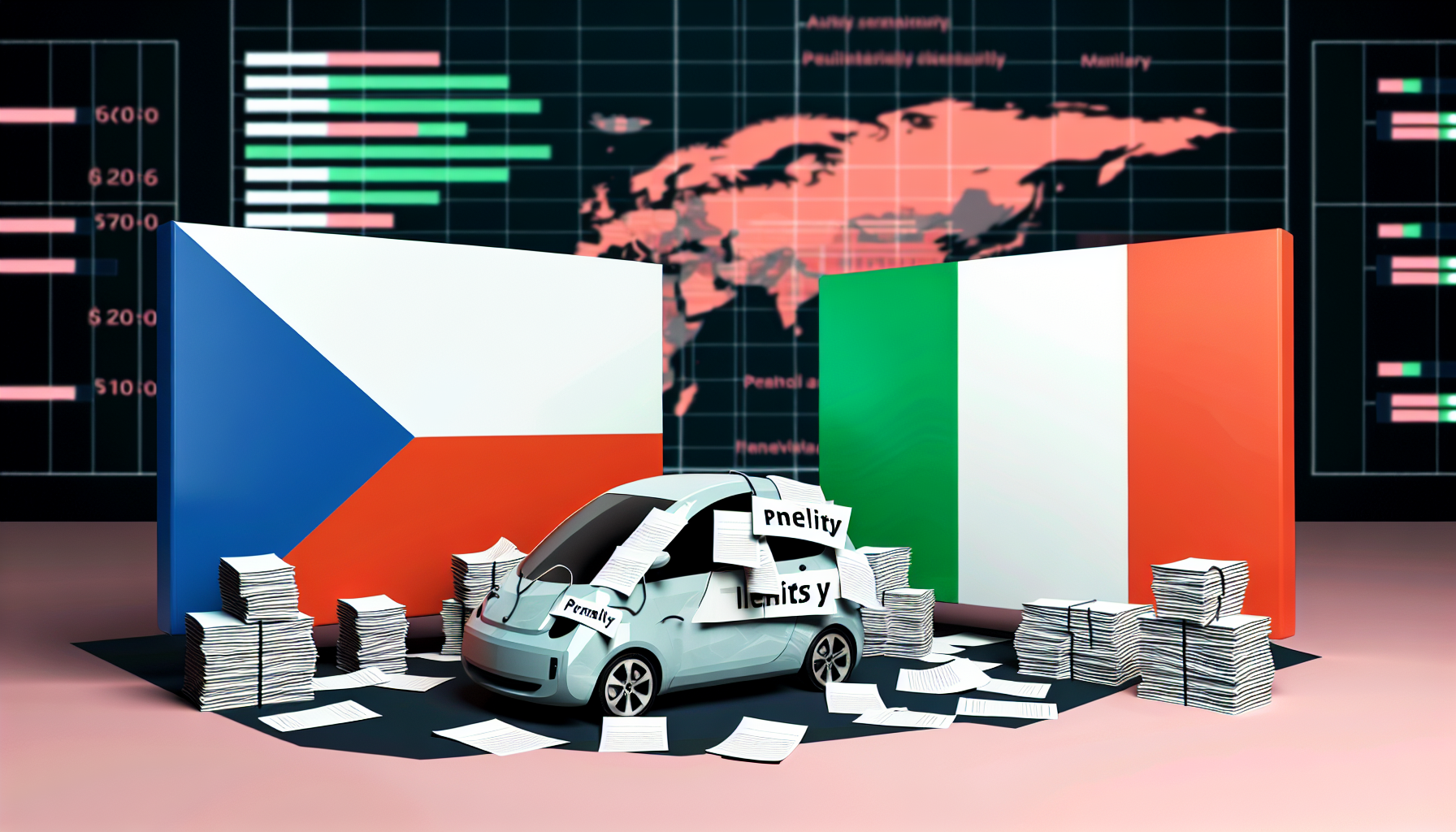
The automotive industry is on the cusp of transformation as the lush landscapes of Italy and the historic roads of the Czech Republic ally under a common goal. These two European nations are spearheading a movement to request the European Union (EU) for leniency on the imminent penalties set to impose on automakers who fall short of selling the mandated quantity of electric vehicles (EVs). The initiative comes amid increasing pressure on car manufacturers to bolster their electric car sales amidst infrastructure challenges and market adjustments.
The Challenges Facing Automakers
Czech Republic and Italy, both prominent players in the automobile industry, are voicing their concerns over the stringent EU regulations aimed at curbing carbon emissions. The EU has laid out an ambitious blueprint, urging manufacturers to produce a higher percentage of zero-emissions vehicles, a move that aligns with global efforts to combat climate change and promote green energy solutions. However, both countries argue that the current economic and market conditions pose significant hindrances to achieving these targets.
Automakers in these regions are grappling with several issues. Foremost among these is the underdeveloped infrastructure necessary to support a significant increase in EVs on the road. Charging stations, particularly in rural or less-densely-populated areas, remain sparse, raising concerns about the feasibility of a swift transition for consumers. Furthermore, fluctuations in raw material prices and the existing supply chain constraints, exacerbated by global events, have added layers of complexity to ramping up production.
A Unified Call for Delayed Sanctions
The alliance between the Czech Republic and Italy signifies a strategic partnership that underscores the broader impact of the EU’s automotive policies. Leaders from both nations have put forth formal requests to delay the imposition of fines on car manufacturers who are unable to meet EV sales quotas. They argue that such flexibility is essential to allow these companies to adapt progressively while maintaining economic stability.
Political figures stress the need for the EU to recognize each country’s unique market conditions and support a more pragmatic approach to implementing environmental regulations. According to spokespeople, this delay would not serve as a loophole for ignoring environmental responsibilities but rather as a necessary adjustment period to ensure that automakers can meet these critical environmental goals effectively.
Anticipated Impact on the Automotive Industry
If the EU grants the requested delay, the automotive industry in both countries could witness a significant recalibration. The postponement would provide automakers with a much-needed reprieve to focus on infrastructure development, enhance their technological capabilities, and adapt their market strategies without the looming threat of financial penalties.
Observers anticipate this could lead to a more gradual, yet stable, increase in EV production and sales. The added time would allow carmakers to better align their production capacities with consumer demands while addressing the systemic issues that currently stymie the momentum toward electrification.
Looking Towards a Sustainable Future
Both the Czech Republic and Italy are committed to supporting the global transition to a low-carbon economy. Their request for a delay reflects not a reluctance to advance towards sustainability, but a prudent strategy to ensure that when these changes are made, they are sustainable and equitable.
The two countries emphasize the continued importance of cooperation among EU member states to enhance infrastructural frameworks and foster innovation in green technologies. Collaborative efforts between governments, the automotive industry, and other stakeholders are crucial to overcoming the existing challenges.
Reader Engagement: What Can Consumers Do?
As this discussion unfolds on the international stage, consumers hold a vital role in supporting the transition towards electric vehicles. Here are ways in which consumers can actively contribute and prepare:
- Educate Yourself: Understanding the benefits and challenges of EV ownership, including environmental impacts and cost savings, can help consumers make informed decisions.
- Advocate for Infrastructure: Engage with local governments and communities to support the expansion of EV charging networks.
- Consider Alternative Options: Hybrid vehicles and shared mobility options can serve as interim solutions for those not ready for a full EV transition.
- Stay Updated: Keep abreast of developments in automotive policies and incentives that might influence your purchasing decisions.
As the EU deliberates over the joint proposal from the Czech Republic and Italy, the spotlight remains on innovative solutions and strategic partnerships to propel the automotive industry into a sustainable future.