 Kristina Vankova
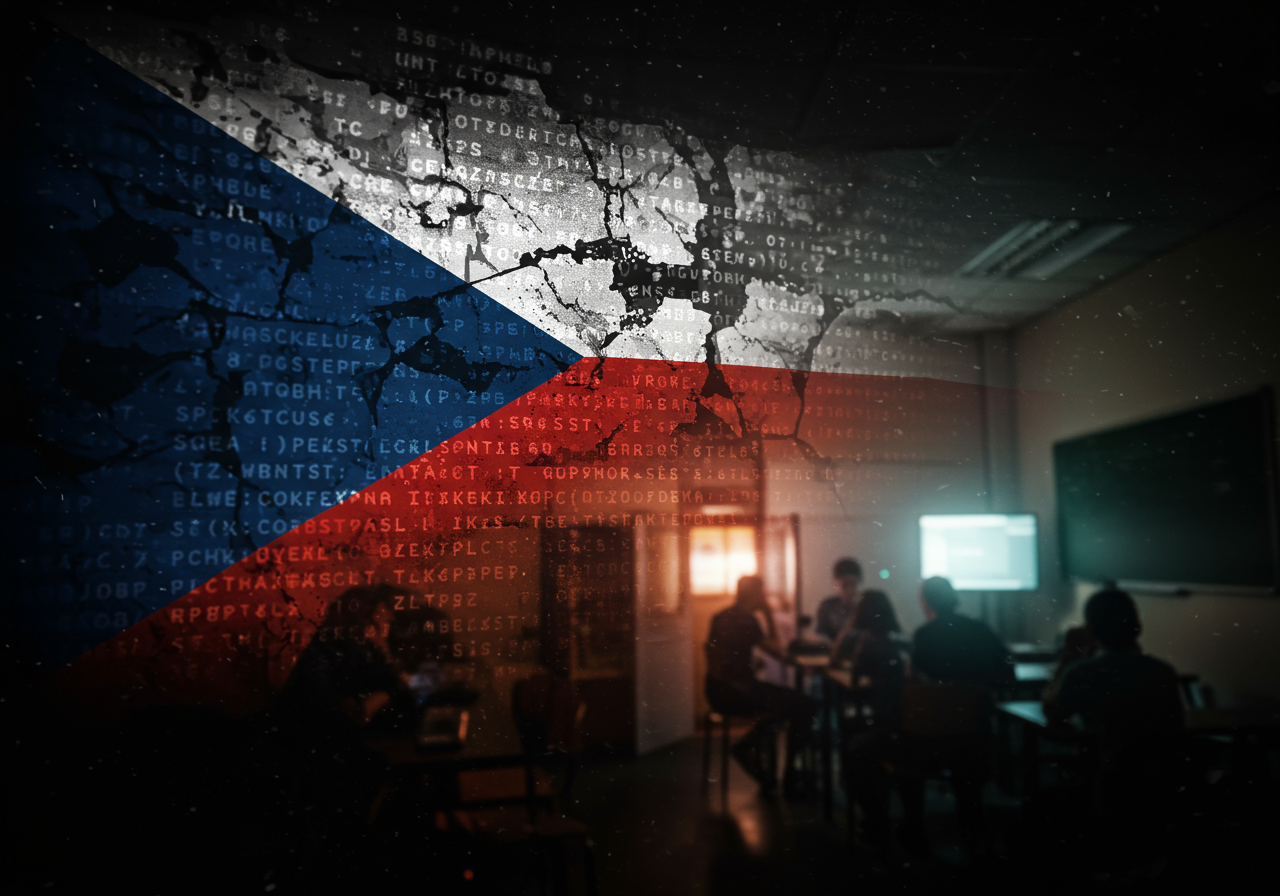
The Czech Republic recently faced a significant concern regarding the security of its schools, a topic that has gained considerable attention due to findings by the country’s intelligence agency. According to experts, the bomb threats against Czech schools last year were not isolated incidents but part of a larger orchestrated operation linked to Russian entities. This revelation has shed light on the complexities of modern cyber threats and their potential international origins.
Background of the Threats
The series of bomb threats aimed at Czech educational institutions initially struck many as isolated disruptions. However, the scale and coordination of these threats soon suggested otherwise. The incidents notably disrupted the daily lives of students, educators, and parents across the country, prompting lockdowns and evacuations, adding a layer of fear and uncertainty in the academic environment.
These threats came at a time when the global focus on cybersecurity was intensifying, with countries around the world grappling with the implications of cyber warfare. The Czech Republic, no stranger to cyber threats, found itself in the crosshairs of a larger, more sinister campaign allegedly linked to foreign entities seeking to sow discord and instability.
Investigation and Findings
The revelation that these bomb threats are connected to Russian activities was disclosed by the Czech intelligence service. The agency conducted a thorough investigation into the origins and intent behind the threats. Through a combination of cyber forensic analysis and intelligence gathering, a troubling connection to Russian actors was established.
In the context of geopolitical tensions, Russia has been frequently accused of employing cyber operations as tools of statecraft, targeting a variety of sectors in different countries. The Czech Republic’s findings align with patterns observed worldwide, where cyber operations have been used to interfere with democratic processes, extend influence, and create unrest.
The Impact on Czech Schools
The bomb threats had a significant psychological and operational impact on Czech schools. Many institutions were forced to adjust their security protocols while dealing with the anxiety and fear that such threats naturally incite among students, staff, and families. Schools had to engage with law enforcement and security experts to evaluate and improve their security measures.
The impact extended beyond mere disruptions. There was a heightened focus on cybersecurity education and awareness among school administrators and educators. Many schools introduced new protocols and training sessions to better prepare for and respond to potential threats.
Government and Public Response
In response to these findings, the Czech government took definitive steps to bolster national cybersecurity defenses. This included enhancing cooperation with international cybersecurity bodies and strengthening the cybersecurity capabilities of domestic institutions.
Public awareness campaigns were also accelerated to inform citizens about the nature and risks of cyber threats. These campaigns focused on highlighting the societal impacts of cyber-attacks and the importance of vigilance and preparedness.
Broader Implications for Cybersecurity
The situation in the Czech Republic is emblematic of the broader challenges nations face in the digital age. Cybersecurity has become a critical component of national security, demanding vigilance and proactive measures from governments and private entities alike.
The revelations underscore the need for robust international cybersecurity policies and cooperation. Nations must work together to establish norms and frameworks that can effectively combat cyber threats, irrespective of their origin. This involves not only technical solutions but also diplomatic efforts to hold accountable those who use cyber tactics to destabilize other nations.
Calls for Increased Security Measures
Experts and policymakers have called for increased investment in cybersecurity infrastructure. Educational institutions, particularly those affected, have been urged to prioritize cybersecurity strategies as part of their operational policies. This ensures that they are better prepared to respond swiftly and effectively to any future threats, thereby minimizing disruption and safeguarding the welfare of students and staff.
The Czech situation also calls for an ongoing dialogue between government bodies and the private sector to foster innovation in cybersecurity solutions. Partnerships with technology firms and cybersecurity experts are crucial in developing cutting-edge defenses capable of detecting and mitigating cyber threats before they can cause harm.
As the digital landscape evolves, so too does the nature of threats. Proactive measures, transparent communication, and strategic alliances are key components in strengthening defenses and ensuring a safe and secure environment for communities worldwide.
The Czech Republic’s experience serves as a sobering reminder of the pervasive nature of cyber threats and the imperative for constant vigilance in the face of evolving challenges. Through concerted efforts at both national and international levels, it is possible to build a resilient defense against the covert dangers of the digital world, protecting not only physical spaces but also the very fabric of societal trust and confidence.
In conclusion, the findings by the Czech intelligence service underscore a critical modern reality: cyber threats are sophisticated, potent, and often originate far beyond national borders. As nations grapple with these complex challenges, the imperative of international cooperation and robust cybersecurity strategies has never been clearer. Seemingly localized incidents can indeed have far-reaching implications, demanding a globally coordinated response to ensure safety and stability in the digital age.