 Kristina Vankova
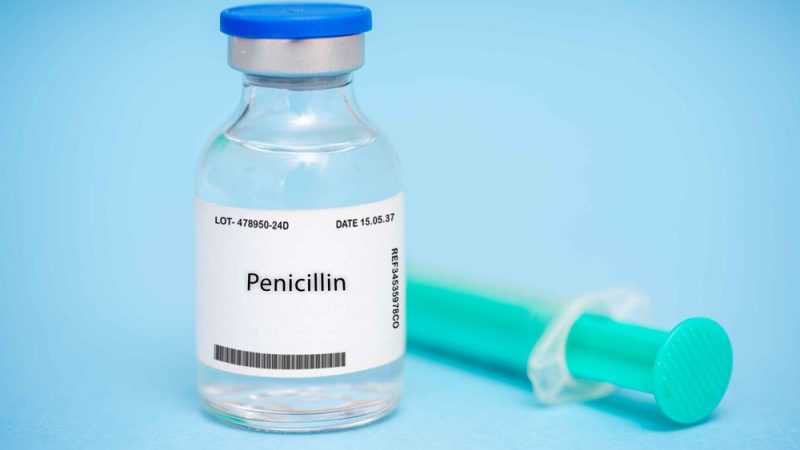
The Czech Health Ministry is exploring the possibility of initiating penicillin production in the country, which has been facing a shortage of this essential antibiotic. This initiative is particularly crucial given the increased incidence of illnesses during the autumn and winter seasons. The ministry is currently in talks with potential foreign suppliers to secure enough penicillin packages.
Health Minister Vlastimil Válek is optimistic about the plan, believing that production could start within two years. He is in discussions with several pharmaceutical companies that could meet the production requirements. However, it remains unclear whether the Czech Republic intends to produce the active ingredients (API), the tablets from the supplied API, or only assemble the finished tablets.
Penicillin production in the Czech Republic dates back to the 1940s but was gradually phased out. Currently, the country relies on imports from Slovakia, Slovenia, Austria, and Germany. The production of crucial components, such as the active ingredients of antibiotics, is primarily based in Asian countries, while Europe focuses on producing antibiotics from supplied substances.
The Czech Ministry’s plan has faced criticism, particularly from Czech MEP Kateřina Konečná. She argues that the production of penicillin, both in the Czech Republic and Europe, is a long-term task that has not been seriously addressed. Konečná points out that the European Commission’s Pharmaceutical Strategy for Europe, announced in 2020, aimed to bring back medicine production to Europe, but little progress has been made. She believes that significant investments are required for the production of medicines, especially APIs, and such funds are not currently available.
Konečná also views the Czech plans as unrealistic without substantial financial incentives or a strong private investor. She emphasizes that even if investments are secured, the relaunch of production could only be realistic within several years, having no immediate impact on the current crisis.
Representatives of innovative companies have also expressed skepticism, stating that the ministry’s plan is unrealistic unless there are changes in pricing policy and a new antibiotic reimbursement system. The generic pharmaceutical industry in the Czech Republic suggests addressing drug production at a pan-European level to avoid redundant investments in the same production phases in individual countries.
For more detailed information, you can read the original article on Euractiv.