 Kristina Vankova
In a sharp diplomatic exchange, the Danish Prime Minister has urged former U.S. President Donald Trump to refrain from aggressive rhetoric and threats concerning Greenland. This call comes amidst rising tensions following Trump’s expressed interest in purchasing the Arctic territory, a prospect that Denmark previously dismissed as absurd.
International Repercussions
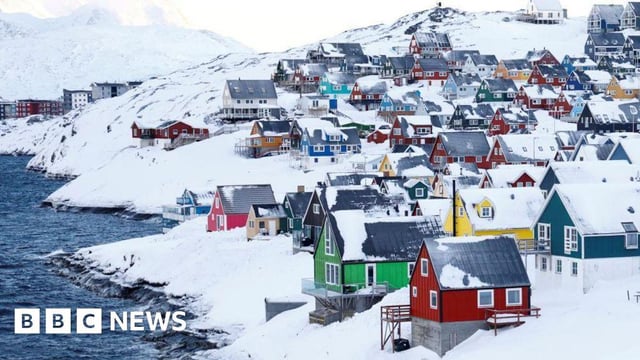
The situation has sparked widespread reactions on the global stage. Denmark, a steadfast ally of the United States, finds itself in an unusual confrontation over Greenland, which is an autonomous territory within the Kingdom of Denmark. The Danish government has emphasized Greenland’s strategic importance and its status as a sovereign part of the Kingdom, directly responding to suggestions of a possible sale to the United States.
Greenland’s geopolitical significance cannot be understated; it is rich in natural resources and occupies a critical position within the Arctic region, which is increasingly becoming a focal point for global environmental and economic interests. The interest shown by Trump appears to underscore the strategic calculations, though the proposal has been met with bewilderment and concern in both Denmark and Greenland.
Greenland’s Stance
Leaders in Greenland have also weighed in, expressing a clear stance regarding their sovereignty. Kim Kielsen, the then-Prime Minister of Greenland, articulated that the territory is open for business but not for sale. Greenland’s government places a high priority on its autonomy and the right to decide how their resources will be managed and developed. Local sentiments reflect a pride in their culture and governance, emphasizing that any discussions about their future should center on collaboration and mutual respect, rather than transactional discussions of ownership change.
A Complex Strategic Chessboard
Beyond the immediate tensions between Denmark and the United States, the broader context highlights the strategic importance of the Arctic. As polar ice caps continue to melt, new navigation routes are opening, and nations with interests in the region are maneuvering for position. The situation with Greenland serves as a microcosm of these larger geopolitical trends, wherein countries must balance economic opportunities with environmental stewardship and international alliances.
The Danish response underscores the importance of diplomatic channels in managing such disputes. While the proposition by Trump was unprecedented, it reignites historical instances where the territorial status of Greenland has been a topic of influence, albeit more often silently played through diplomatic engagements rather than public calls for acquisition.
The international community, including NATO allies, watches closely how these diplomatic dialogues unfold, aware that the outcomes may set precedents for similar negotiations in the future. While the current situation presents challenges, it also offers an opportunity to reinforce strong international partnerships and respect for sovereignty in the Arctic’s evolving landscape.
As the discussion continues, both Denmark and Greenland are advocating for respectful dialogue and cooperative agreements instead of public confrontations or unilateral decisions. The issue not only stresses the importance of respecting national sovereignty and existing international agreements but also highlights the delicate balance of geopolitical interests in the Arctic.