Kristina Vankova
Copenhagen has taken assertive steps to strengthen its military presence in Greenland, a move ignited by recent shifts in U.S. foreign policy and national security interests. This increase in military activity comes amid heightened geopolitical interest in the Arctic region, which has grown into a strategic hotspot due to its untapped natural resources and the potential for new shipping routes as polar ice melts.
Geopolitical Significance of Greenland
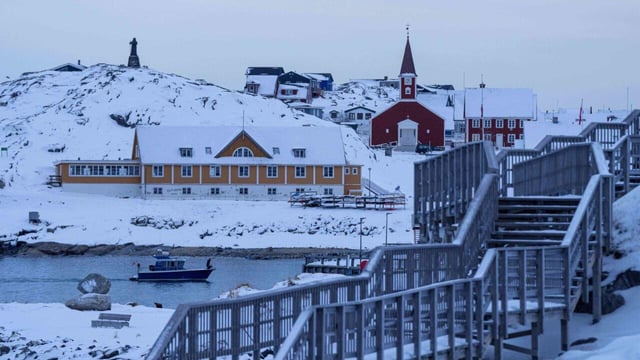
Greenland, an autonomous territory within the Kingdom of Denmark, plays a pivotal role in Arctic military strategy. Its geographic location makes it a key area for monitoring both North Atlantic and Arctic Ocean activities. As climate change reshapes global shipping lanes, Greenland’s position will likely grow even more crucial. Denmark’s decision to bolster its military presence aligns with a broader strategic reassessment by several nations regarding the Arctic’s future.
Danish and U.S. Dynamics
The current boost in military resources is partly a response to fluctuations in U.S. policy towards Greenland. The U.S. has recently shown renewed interest in the Arctic, reflected in previous proposals to purchase Greenland, which were met with skepticism and resistance by both Danish and Greenlandic leaders. Despite these incidents, Denmark remains a close ally, working in cooperation with the U.S. to ensure security in the region. This close collaboration is essential for maintaining stability in the face of Russian and Chinese ambitions in the Arctic.
Joint Military Exercises
Denmark and the United States have conducted joint military exercises in Greenland, highlighting their commitment to mutual defense and operational synergy. These exercises are crucial for preparing both nations’ forces to operate effectively in Arctic conditions. The training also sends a clear signal of deterrence to potential adversaries in a region where military movements are becoming more frequent.
- Increased investment in Arctic-focused military equipment.
- Enhanced surveillance and monitoring systems.
- Deployment of specialized troops trained for polar environments.
Environmental and Strategic Considerations
While military strategy is at the forefront, environmental considerations cannot be ignored. The Arctic is a fragile ecosystem, and increased military and commercial activity could potentially disrupt its delicate balance. Denmark has emphasized the importance of sustainable development in Greenland, ensuring that their military activities do not harm the environment or the local communities dependent on it.
Greenland’s government also remains a key stakeholder in these developments. As an autonomous entity, it retains a significant degree of control over its resources and internal affairs. The military boost is thus accompanied by dialogues to ensure that Greenlandic interests and cultural heritage are respected and preserved.
Future Prospects
Moving forward, the Arctic is poised to become an even more critical arena for international diplomacy and military strategy. With the ongoing thawing of the polar ice caps, the potential for new shipping avenues and untapped hydrocarbon resources herald significant economic opportunities, alongside the environmental challenges. Denmark’s proactive measures in Greenland showcase a commitment to both national defense and international cooperation, acknowledging the complex interplay of regional interests.
The development underlines the importance of maintaining a balance between military preparedness and environmental stewardship in one of the world’s last frontiers. As global dynamics continue to evolve, so too will the strategic calculus involving Greenland’s role on the Arctic stage.