 Kristina Vankova
In a marked escalation and shift in U.S. foreign policy, the Central Intelligence Agency (CIA) executed a drone strike aimed at a port facility in Venezuela. This strategic operation highlights the U.S. government’s intensifying focus on counterbalance maneuvers within the region, which has long been fraught with geopolitical tension.
Details of the Strike
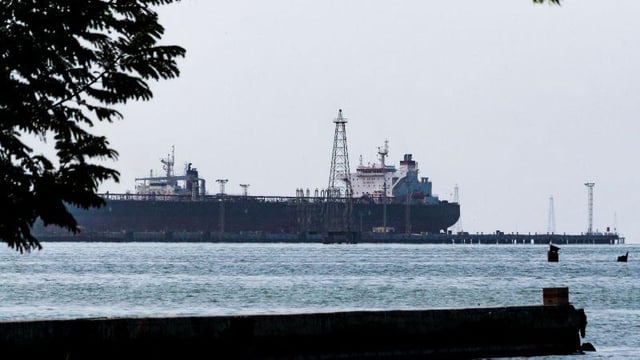
The CIA’s drone operation targeted a remote port facility claimed to be used for suspect activities linked to drug trafficking and arms smuggling, according to anonymous sources familiar with the mission. The strike reportedly involved the use of cutting-edge drone technology equipped with precision-guided munitions, aimed at incapacitating infrastructure without causing a wider humanitarian crisis.
This action underscores a significant tactical pivot, as drone operations have traditionally been reserved for regions like the Middle East and Africa. The choice to deploy such technology in South America signals a change in how the U.S. intends to confront perceived threats in its backyard. According to analysts, the precise nature of this strike indicates a strategic move to address the escalating operations of Venezuelan entities considered threatening to regional stability.
Geopolitical Implications
Venezuela’s relationship with the United States has been strained for decades, marred by ideological differences and economic sanctions. The drone strike might exacerbate these tensions. However, it also serves as a signal to the international community regarding the United States’ stance on fortifying security measures closer to home.
This recent operation could also affect Venezuela’s diplomatic ties with its allies, particularly Russia and China, who have historically sided with Caracas in international disputes. Both nations have economic investments and military agreements with Venezuela, and any disruption to these might recalibrate regional alliances.
Regional Responses and Future Outlook
The U.S. government’s tactic has seen mixed responses across Latin America. Some countries with existing rivalries with Venezuela have quietly supported the U.S., while others have voiced concern over the potential violation of sovereignty and escalating a situation that could destabilize the continent.
This drone strike comes amidst ongoing debates about the ethical use of drones in sovereign airspace, raising questions about international law and military engagement. Human rights organizations are closely monitoring the situation, emphasizing the need for transparency and accountability in drone operations.
Looking forward, the United States might experience both diplomatic and operational challenges if this strategy continues. The potential for retaliatory actions or further polarizing diplomatic interactions remains a concern shared by many foreign policy experts. However, proponents argue that decisive measures are necessary to disrupt networks that threaten regional peace and prosperity.
As the implications unfold, it remains clear that the drone strike serves as a poignant reminder of the shifting dynamics in international relationships and the evolving strategies in the realm of national security. With eyes on the Caribbean nation, the international community is watching closely, weighing the potential consequences of this bold move in a traditionally turbulent region.