 Kristina Vankova
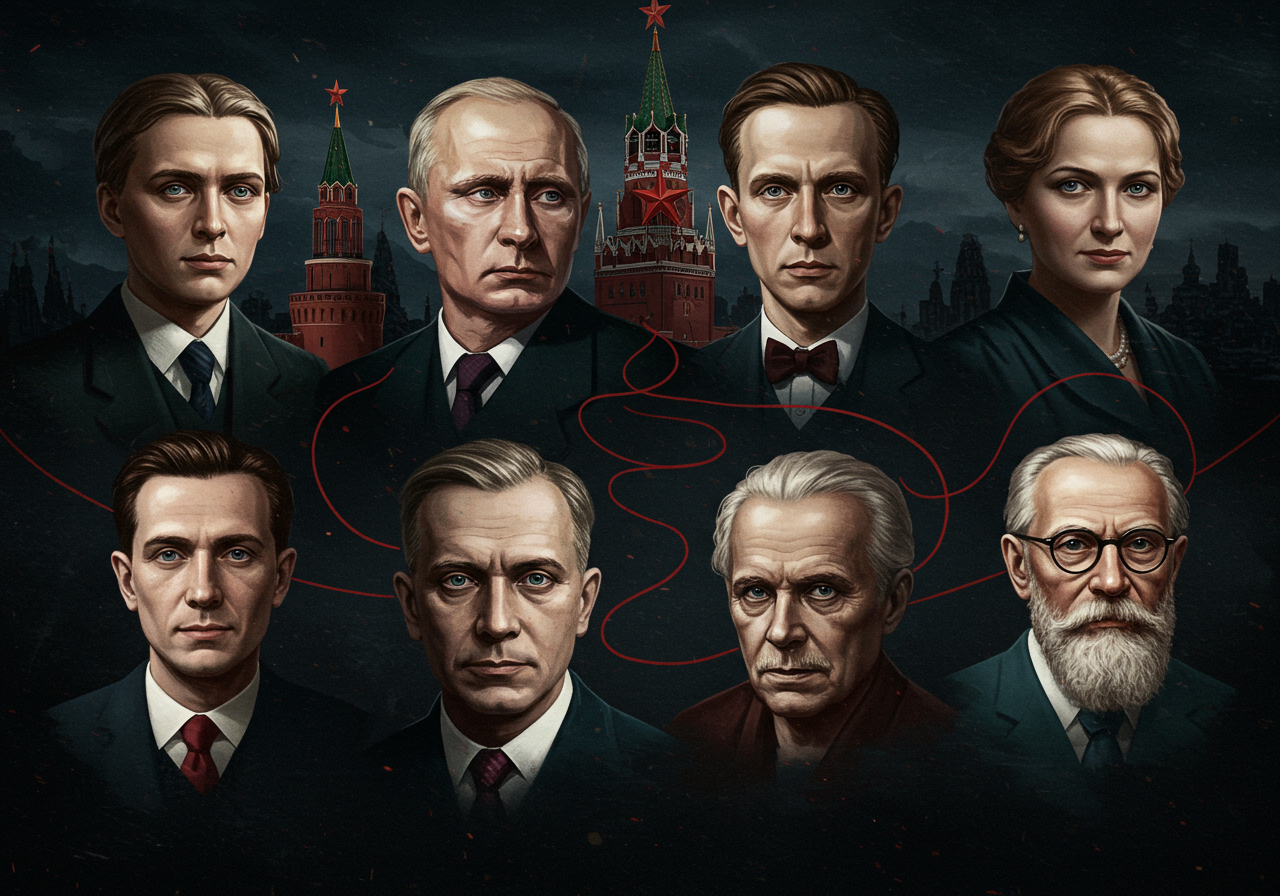
The sudden and enigmatic deaths of eight influential Russian figures have sparked intrigue and speculation, especially given their ties to the Kremlin. As details unfold, these puzzling passings have cast a long shadow over Russia’s political landscape, raising questions about power dynamics and the potential risks faced by those who operate within Russia’s elite circles.
A Series of Unfortunate Events
In recent years, a string of mysterious deaths has garnered significant attention. These cases seem to share a common link: the individuals’ connections to President Vladimir Putin and their roles within Russia’s sprawling political and economic apparatus. The circumstances surrounding their deaths often raise more questions than answers, leaving behind a trail of unresolved mysteries.
One of the most high-profile cases involves Mikhail Lesin, a former close aide to Putin and the head of the state-controlled Gazprom-Media. Lesin, known for his crucial role in modernizing Russia’s media landscape, was found dead in a Washington D.C. hotel room under suspicious circumstances in 2015. Though officially attributed to blunt force trauma, the details of his death remain shrouded in uncertainty.
The Elite Under Threat?
For those within Russia’s elite, holding positions of influence can be as precarious as it is prestigious. The deaths raise the specter of political maneuvering and retaliation but also highlight the ever-present dangers that may accompany such proximity to power.
Boris Nemtsov, a prominent opposition leader and fierce critic of Putin, was assassinated near the Kremlin in 2015. His murder, still unsolved by international standards, sent shockwaves through the political community. Nemtsov’s death symbolized the peril of speaking out against the establishment, despite official claims blaming external agents for his demise.
Unveiling the Patterns
Other influential figures have met untimely ends that provoke further speculation. Stanislav Markelov, a renowned lawyer known for his outspoken criticism of Russian military actions and human rights violations, was killed in broad daylight in 2009. His assassination was seen by many as a grim reminder of the precarious nature of lifting the veil on state actions.
The aviation industry has also borne witness to these mysterious losses. Valery Morozov, once a key figure in Russia’s defense industry, died under suspicious circumstances amid purported embezzlement investigations. The lack of clarity over the cause of his death has echoed concerns about economic and industrial pressures.
A Web of Conflicting Interests
The threads connecting these cases illustrate a complex tapestry of political alliances and enmities. As the stories behind these deaths unfold, they often reveal a broader struggle within the Kremlin, involving the balancing of power and influence. These intricate dynamics underscore the fragility of security for those navigating Moscow’s elite corridors.
One cannot ignore the parallels with Alexander Litvinenko, a former FSB officer who publicly accused Kremlin officials of orchestrating various criminal acts before his poisoning in London in 2006. His unprecedented death unveiled a grim network of spies and counter-spies with deep ties to state affairs.
International Ramifications
The implications of these deaths extend far beyond Russia’s borders, influencing international relations and perceptions of Russian statecraft. The international community remains wary of the Kremlin’s potential involvement, despite official denials from Moscow.
Such events stoke fears of Russia’s strategic ambitions and underscore its willingness to maintain tight control over dissenting voices both at home and abroad. This perception has complicated diplomatic dialogues and escalated tensions with Western countries.
Whispers of Accountability
Russia’s state mechanisms, skilled at obfuscation and deflecting external scrutiny, have faced increasing demands for transparency and accountability. Human rights organizations and foreign governments alike call for deeper investigations into these deaths, seeking to shed light on the opaque nature of Russia’s internal affairs.
As pressure mounts, the Kremlin’s stonewalling tactics appear ineffective in pacifying international audiences eager for clarity. This persistent opacity fuels speculation, further entwining these deaths in a cloak of controversy and unresolved suspicion.
The Future For the Kremlin’s Inner Sanctum
The phenomenon of mysterious deaths among Russia’s elite has become a narrative in its own right, casting doubt over the protections offered to those operating within the upper echelons of government. It raises pressing questions about the lengths to which individuals will go to preserve their influence or, conversely, eliminate threats to it.
This narrative may signal a turbulent future for Russia, as internal fractures manifest through these personal tragedies. Observers continue to question the stability of the Kremlin’s power structure, and whether these high-profile deaths foretell a deeper crisis.
As each case is dissected, the international community remains on edge, watching intently for any revelations that could unravel the tightly-woven fabric of Russia’s political elite. With each unresolved incident, the boundaries between loyalty, betrayal, and survival blur, leading many to wonder who will be next.