 Kristina Vankova
In an unprecedented move, an entire nation has initiated a mass migration due to the impending threat of rising sea levels. This bold step by the government of the affected country marks the first planned relocation of its kind, aiming to safeguard its population from the inevitable consequences of climate change. The decision highlights the urgent need for international cooperation and action in addressing the challenges posed by environmental changes.
A Nation Under Threat
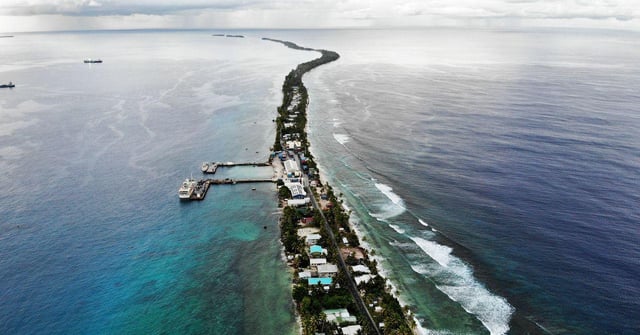
The decision to relocate the country was not made lightly. The government had been monitoring the situation closely for years, as scientists and environmentalists warned of the dire consequences of rising sea levels. The low-lying nation has been particularly vulnerable, with vast stretches of land already succumbing to the encroaching seas. The increasing frequency and severity of natural disasters, such as storms and floods, have only compounded the problem.
Experts have long predicted that without intervention, the entire nation could become uninhabitable within the next few decades. The decision to relocate was therefore seen as not only necessary but inevitable. The government has worked meticulously to plan for this monumental undertaking, considering the myriad of logistical, social, and economic challenges associated with relocating an entire population.
The Challenges of Relocation
Relocating a nation involves more than just moving its people. There are significant cultural, historical, and geopolitical implications to consider. For the citizens, leaving behind their homes, heritage, and way of life is a profound upheaval. The plan aims to ensure that communities are kept intact, preserving the cultural identity of the nation as it resettles elsewhere.
Additionally, the government faces substantial diplomatic hurdles. The designated host nation for the relocation must accommodate a large influx of refugees, requiring international support and cooperation. Talks have been ongoing to ensure a seamless transition, with agreements needed on land allocation, citizenship, and integration policies. The relocation plan also necessitates substantial financial resources to cover the costs of housing, infrastructure development, and social services for the displaced population.
Planning and Execution
The government has developed a phased relocation strategy, prioritizing areas most at risk of immediate inundation. This involves moving residents to temporary accommodations before permanent settlements are established in the host nation. The focus has been on ensuring that essential services such as healthcare, education, and employment opportunities are available to the relocated population.
In conjunction with international aid organizations, the government has established a task force to oversee the relocation process. This task force is responsible for coordinating efforts between various stakeholders, managing resources effectively, and addressing any issues that arise during the transition.
Global Implications
The relocation of an entire nation due to climate change is a sobering reminder of the potential global impact of environmental issues. It underscores the urgency for international action to address climate change and its consequences. The situation serves as a wake-up call for other vulnerable countries and highlights the necessity of collaborative efforts in mitigating the effects of global warming.
While the ongoing relocation is a testament to human resilience and adaptability, it also poses critical questions about the future of other low-lying and at-risk regions. It emphasizes the need for the global community to develop and implement strategies that prevent similar situations from arising. Nations must prioritize sustainable development, invest in renewable energy, and strengthen their infrastructure to withstand environmental challenges.
As the world watches this historic migration, the lessons learned will be invaluable in shaping future responses to climate-induced displacement. The plight of this nation serves as a poignant reminder of the tangible realities of climate change and the collective action required to safeguard vulnerable populations worldwide. The global community’s response will reflect its commitment to addressing one of the most pressing challenges of our time, ensuring that this historic relocation paves the way for a more sustainable and secure future for all.