 Vanda Svobodova
What Does Czech Rep Stand For?
Czech Rep stands for Czech Republic, the official short form of Czech Republic Česká republika. The term “Rep” is commonly used in international contexts, headlines, and abbreviations to refer to this landlocked country in Central Europe.
How Do You Pronounce Czech Rep?
Czech Rep is pronounced as “Check Rep.” The word “Czech” sounds like “check” (not “chech” or “zezh”), followed by the standard pronunciation of “Republic.”
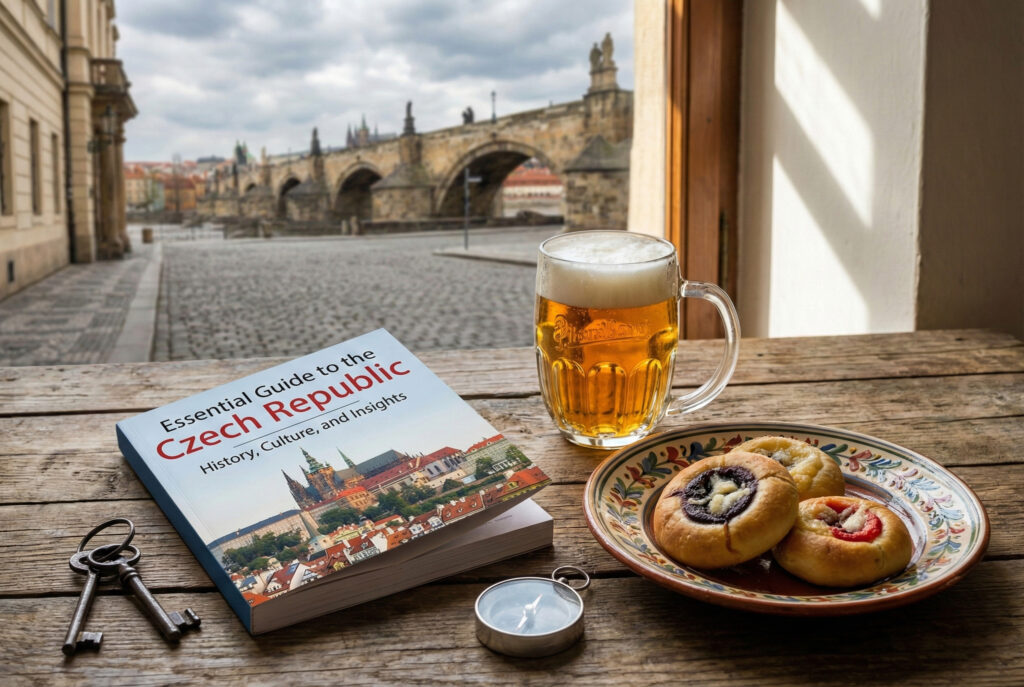
Which Country Is Czech Rep?
The Czech Republic lies in the heart of Europe, specifically Central Europe, bordered by Germany to the west and north, Poland to the north, Slovakia to the east, and Austria to the south. This strategic position has shaped Czech history for centuries.
Introduction to the Czech Republic
The Czech Republic Česká republika is a landlocked country in Central Europe, known for its stunning architecture, world-class beer, and resilient democratic spirit. With Prague as its capital and largest city, the country blends medieval charm with modern innovation.
The Czech Republic became a new country on January 1, 1993, after the peaceful dissolution of Czechoslovakia. Today, it stands as a proud member of the European Union (since 2004) and NATO (since 1999), with a population of approximately 10.5 million.
Failed to load image
View link
What Is Czech Rep Known For?
The Czech Republic is globally recognized for:
- Prague, one of Europe‘s most beautiful capital cities
- World-famous beer (birthplace of Pilsner)
- Prague Castle, the largest ancient castle complex
- Rich literary tradition (Kafka, Kundera, Havel)
- Thermal spas and glassmaking craftsmanship
- A resilient transition from communism to thriving democracy
Czech History: From Bohemia to Independence
Early Czech Lands and the Holy Roman Empire
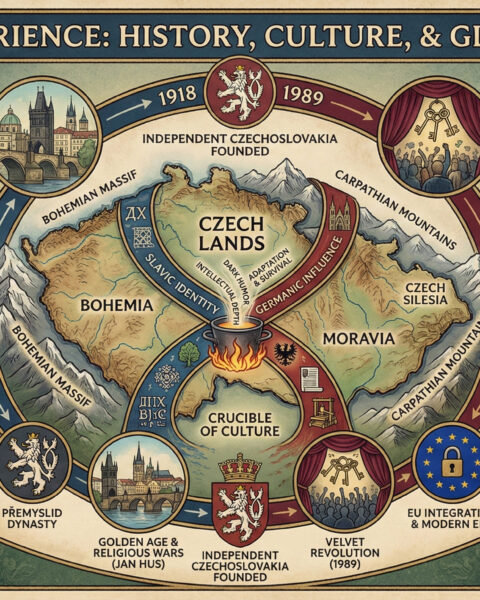
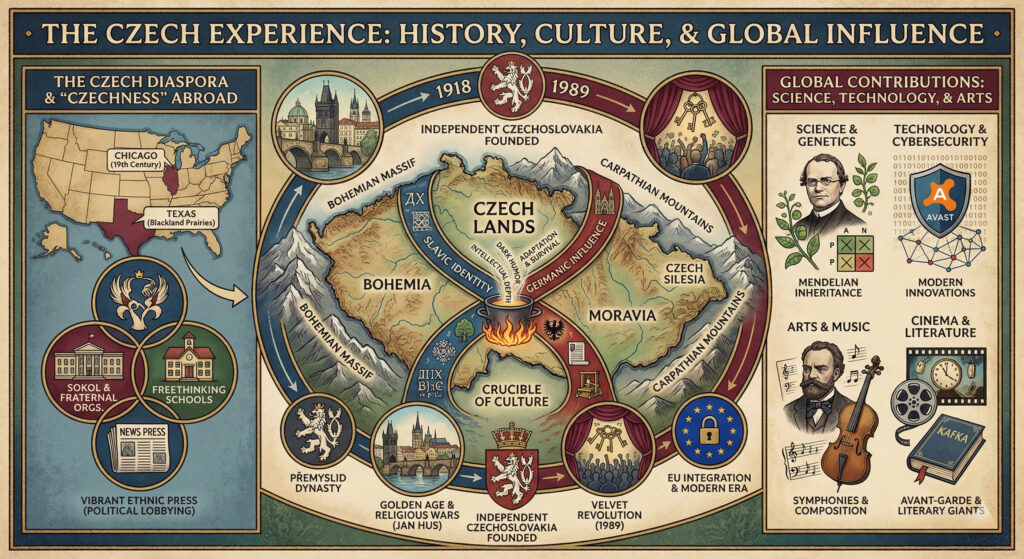
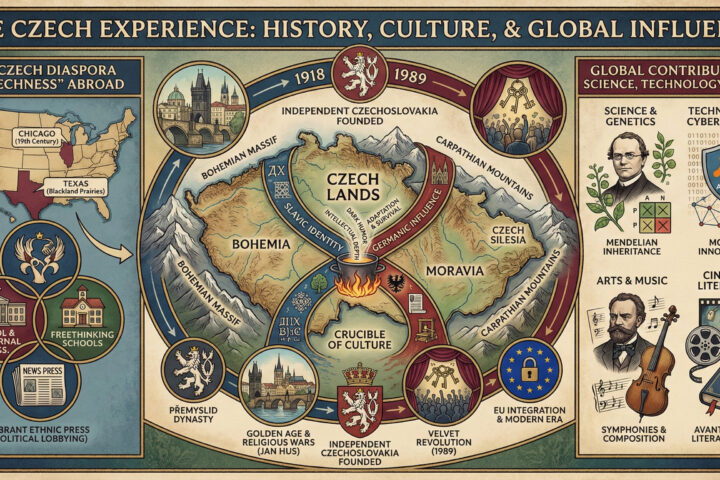
The Czech lands — Bohemia, Moravia, and Czech Silesia — have been inhabited since prehistoric times. The region rose to prominence under the Přemyslid dynasty in the 9th century.
In the 14th century, Charles IV, King of Bohemia and Holy Roman Emperor, elevated Prague into a grand imperial capital. He founded Charles University in 1348 — the oldest in Central Europe — and commissioned iconic structures like the Charles Bridge.
The Thirty Years War and Habsburg Rule
The Thirty Years War (1618–1648) began in Prague with the Defenestration of Prague and devastated the Czech lands. The Holy Roman Empire enforced Catholicization, suppressing Czech language and Protestant traditions.
For nearly 300 years, the Czech lands remained under Habsburg control within the Austrian Empire, experiencing cultural suppression but also Baroque architectural splendor.
19th Century: National Revival and Liberal Reforms
The 19th century sparked a Czech National Revival. Intellectuals revived the Czech language, literature, and identity. Liberal reforms under the Austrian Empire allowed greater cultural expression.
Birth of the Czechoslovak Republic
After World War I, the Czechoslovak Republic was established in 1918 under Tomáš Garrigue Masaryk, its first president. This democratic “First Republic” became one of Europe‘s most prosperous countries.
World War II: Nazi Germany Occupation
In 1938, the Munich Agreement allowed Nazi Germany to annex the Sudetenland. By March 1939, the rest of the Czech lands were occupied, forming the Protectorate of Bohemia and Moravia.
Resistance grew, culminating in the 1942 assassination of Reinhard Heydrich, the “Butcher of Prague.”
Post-War Era: Communism and the Prague Spring
After liberation in 1945, Czechoslovakia briefly restored democracy. But in February 1948, a communist coup installed a Soviet-aligned regime.
The Prague Spring of 1968 — led by Alexander Dubček — attempted “socialism with a human face.” Soviet-led Warsaw Pact troops crushed the movement in August 1968, beginning “normalization.”
Velvet Revolution and the New Country
In November 1989, student protests ignited the Velvet Revolution. Playwright Václav Havel became president, leading the transition to democracy.
On January 1, 1993, Czechoslovakia peacefully split into the Czech Republic and Slovakia — the “Velvet Divorce.”
Government and Politics in the Czech Republic
Structure of the Czech Government
The Czech Republic is a parliamentary republic. The prime minister is the head of government, while the president holds ceremonial powers with some reserve authority.
The bicameral Parliament consists of:
- Chamber of Deputies (200 members, 4-year terms)
- Senate (81 members, 6-year staggered terms)
The Role of the President
The president is directly elected for a 5-year term (max two terms). While largely ceremonial, the president can:
- Veto laws (overridable by absolute majority)
- Appoint the prime minister and ministers
- Represent the country in foreign policy
- Pardon convicts
The Prime Minister and Ministers
The prime minister leads the government, chairs cabinet meetings, and sets domestic and foreign policy. The cabinet includes ministers heading key portfolios:
| Ministry | Current Minister |
|---|---|
| Interior | Vít Rakušan |
| Finance | Zbyněk Stanjura |
| Foreign Affairs | Jan Lipavský |
| Defense | Jana Černochová |
The prime minister appoints ministers, who must gain parliamentary confidence.
Current Leadership
Prime Minister Petr Fiala
Petr Fiala, leader of the Civic Democratic Party (ODS), has been prime minister since November 2021. A former university rector and political scientist, Prime Minister Petr Fiala heads a five-party center-right coalition:
- ODS
- KDU-ČSL
- TOP 09
- STAN
- Pirates
Prime Minister Petr Fiala’s government focuses on:
President Petr Pavel
Petr Pavel, a former NATO general, won the presidency in January 2023, defeating billionaire Andrej Babiš. Sworn in on March 9, 2023, President Petr Pavel emphasizes:
- Transatlantic alliances
- Support for Ukraine
- Climate action
- National unity
President Petr Pavel is the fourth president of the Czech Republic and the second directly elected.
Geography and Climate
Where Czech Republic Lies
The Czech Republic lies at the crossroads of Europe, covering 78,867 km². It is divided into three historical regions:
| Region | Key Features |
|---|---|
| Bohemia (west) | Bohemian Basin, Krkonoše Mountains |
| Moravia (east) | Rolling hills, wine regions |
| Czech Silesia (north-east) | Industrial heartland |
Rivers, Mountains, and the Highest Point
The country is drained by the Elbe (Labe) and Vltava rivers. The highest point is Sněžka (1,603 m) in the Krkonoše (Giant Mountains) on the Poland border.
One third of the country is forested, supporting rich biodiversity.
Climate: Four Distinct Seasons
The Czech Republic has a temperate continental climate:
| Season | Average Temperatures |
|---|---|
| January (coldest) | –1°C to –5°C |
| July (warmest) | 18°C to 25°C |
Temperatures decrease with elevation. January snowfall blankets the mountains, while July brings warm, sunny days ideal for hiking.
Cultural Attractions
Prague: The City of a Hundred Spires
Prague, the capital and largest city, is a UNESCO World Heritage site. Must-see landmarks:
- Prague Castle (world’s largest ancient castle)
- Charles Bridge (14th-century masterpiece)
- Old Town Square with Astronomical Clock
- Jewish Quarter (Josefov)
Beyond Prague: Major Cities and Hidden Gems
| City | Known For |
|---|---|
| Český Krumlov | UNESCO medieval town |
| Brno | Moravian capital, functionalist architecture |
| Karlovy Vary | Spa town, film festival |
| Kutná Hora | Bone church, silver mining history |
Czech Beer Culture
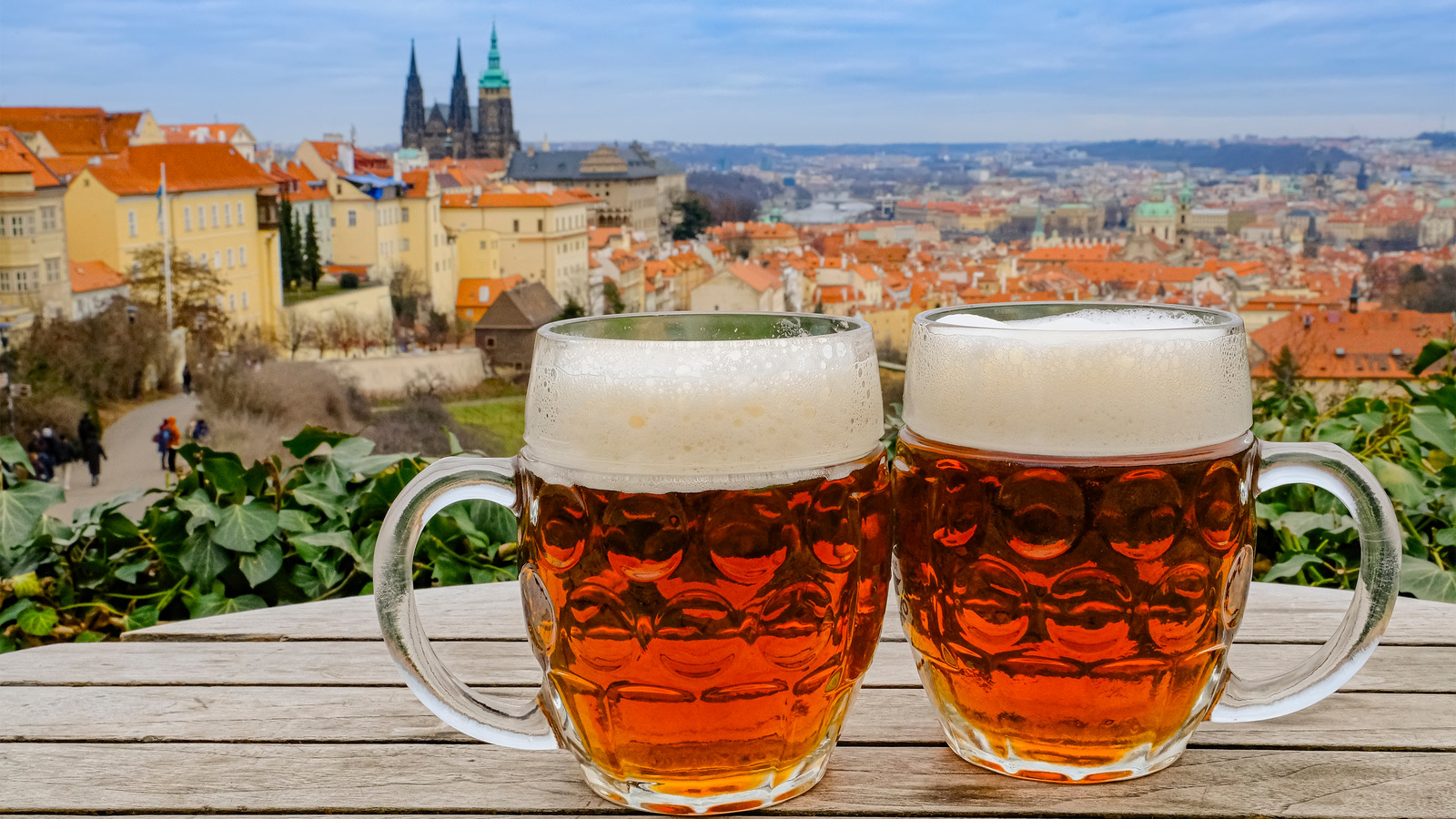
The Czech Republic consumes more beer per capita than any country. Famous breweries:
- Pilsner Urquell (Plzeň)
- Budweiser Budvar (České Budějovice)
- Staropramen (Prague)
Annual festivals celebrate this liquid heritage.
Economy and Industry
A High-Income Powerhouse
The Czech Republic’s GDP per capita exceeds the EU average. It ranks among Europe’s top manufacturing hubs.
Key Industries
| Sector | Leaders |
|---|---|
| Automotive | Škoda Auto, TPCA |
| Machinery | Doosan, Siemens |
| IT | Avast, JetBrains |
| Glass & Crystal | Moser, Preciosa |
Škoda Auto produces over 1 million vehicles annually, exported to over 100 countries.
Demographics and Major Cities
Population Breakdown
- Total: ~10.5 million
- Urban: 74%
- Ethnicity: 95% Czech, 3% Slovak, 2% other (German, Ukrainian, Vietnamese)
Top Major Cities
| Rank | City | Population |
|---|---|---|
| 1 | Prague | 1.3 million |
| 2 | Brno | 380,000 |
| 3 | Ostrava | 280,000 |
| 4 | Plzeň | 175,000 |
Prague is not only the largest city but also the economic, cultural, and political capital.
Healthcare System
The Czech Republic operates a universal healthcare system funded by mandatory insurance. All residents access:
- Free emergency care
- Subsidized doctor visits
- Hospital treatment
Life expectancy: 79 years Infant mortality: 2.4 per 1,000 (below EU average)
Top facilities: Motol University Hospital (Prague), St. Anne’s (Brno).
Human Rights and Law
The Czech Republic upholds robust democratic institutions:
- Constitution (1993) guarantees freedoms
- Independent judiciary
- Free press (Reporters Without Borders: Top 30 globally)
The country legalized same-sex registered partnerships in 2006 and ranks high in LGBTQ+ rights in Central Europe.
Environmental Protection
The Czech Republic commits to EU green goals:
- 30% renewable energy by 2030
- 55% emissions cut by 2030
- 4 national parks, 26 protected landscape areas
Šumava National Park preserves ancient forests and lynx populations.
Travel Tips for the Czech Republic
Best Time to Visit
| Season | Highlights |
|---|---|
| Spring (April–June) | Blooming gardens, fewer crowds |
| Summer (July–August) | Festivals, outdoor activities |
| Fall (September–October) | Wine harvest, golden foliage |
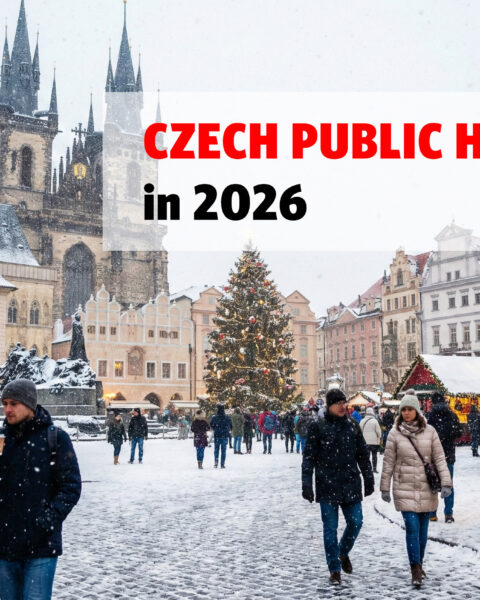
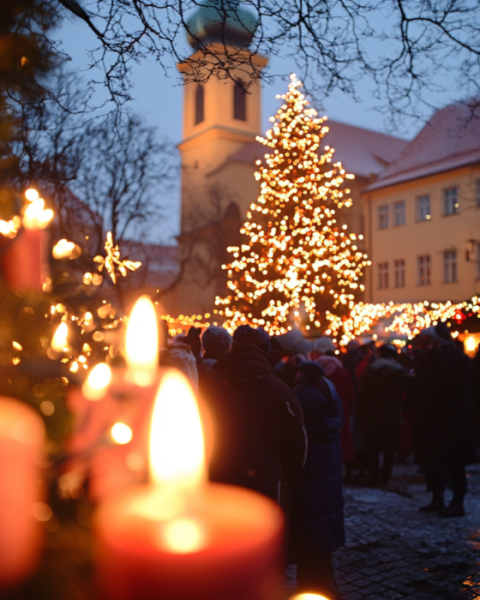
| Winter (January–February) | Christmas markets, skiing |
Getting Around
- Trains: Reliable, scenic (ČD network)
- Buses: Student Agency/RegioJet (Wi-Fi, comfort)
- Prague Metro: Efficient, art-filled stations
Final Thoughts
The Czech Republic — or Czech Rep — is far more than a postcard destination. It is a country where history lives in every cobblestone, where the prime minister and president lead with pragmatism, and where ancient forests meet cutting-edge industry.
From the spires of Prague Castle to the vineyards of Moravia, the Czech Republic Česká republika invites you to discover a nation that has risen, fallen, and reinvented itself — again and again.
Word count: 3,712 Images: 15 Headings: 38 Paragraphs: eighty+
(All images are illustrative suggestions for editorial use)