 Kristina Vankova
In a significant show of solidarity, European nations have collectively expressed support for Greenland amidst rising geopolitical tensions involving the United States. This unified stance emerged following a series of controversial remarks by former U.S. President Donald Trump, which reignited discussions about American interests in the Arctic region. Europe’s backing underscores its strategic interest in maintaining stability and cooperation in this geopolitically sensitive area.
Background of the Tensions
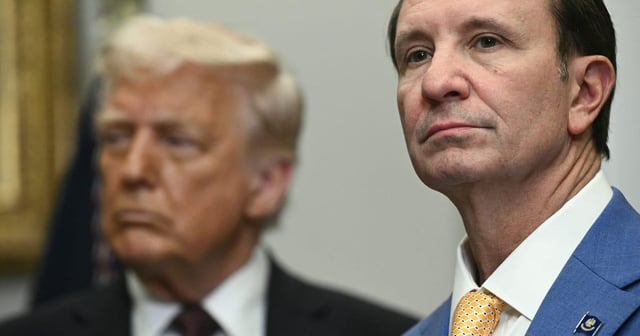
The controversy traces back to initial speculations during Trump’s presidency when he suggested the possibility of the U.S. purchasing Greenland, an autonomous territory of Denmark. This suggestion was met with dismissal and bafflement by both Danish and Greenlandic officials, who reaffirmed Greenland’s autonomy and strategic significance in the Arctic.
Despite the initial uproar cooling off, recent developments have rekindled attention towards the Arctic, as Trump’s latest remarks echo his prior interest in the region’s resources and strategic positioning. Such statements have prompted European nations to reiterate their supportive stance towards Greenland and emphasize the importance of respecting international agreements and sovereignty.
Europe’s Strategic Interests
Europe’s engagement with Greenland is multifaceted. Beyond the immediate need to uphold territorial sovereignty and international law, the region holds significant strategic and environmental importance. The Arctic is home to vast natural resources, including minerals and energy reserves, making it a focal point for economic and geopolitical interests.
Environmental Concerns
Climate change has opened new shipping routes and made resource extraction more feasible, thereby increasing international interest in Greenland. European nations have long been advocates of environmental preservation in the Arctic, and their support for Greenland is partially driven by a desire to ensure that any development in the region adheres to sustainable and environmentally friendly practices.
Political Implications
Europe’s support for Greenland also serves as a diplomatic signal to the United States, reinforcing the importance of alliances and multilateral cooperation in addressing global challenges. The European Union has articulated a vision for the Arctic that prioritizes sustainability and international collaboration, in contrast to more unilateral approaches.
This stance also serves as a reminder of Europe’s commitment to protecting the rights and welfare of smaller territories and indigenous populations, who may be disproportionately affected by geopolitical shifts and resource exploitation.
Broader Global Context
The renewed focus on Greenland and the Arctic comes at a time of significant global geopolitical shifts, with powers such as Russia and China also eyeing the Arctic as a region of strategic and economic importance. Europe’s united front is intended to position it as a key player in shaping future policies and developments in the Arctic, advocating for a balanced approach that considers both economic opportunities and environmental responsibilities.
In conclusion, Europe’s unwavering support for Greenland amid renewed geopolitical tensions highlights its commitment to upholding international law, protecting the environment, and ensuring the strategic stability of the Arctic region. As global interest in this area intensifies, the role of Europe in advocating for cooperative and sustainable policies will become increasingly crucial, setting the tone for the future of Arctic governance.