 Kristina Vankova
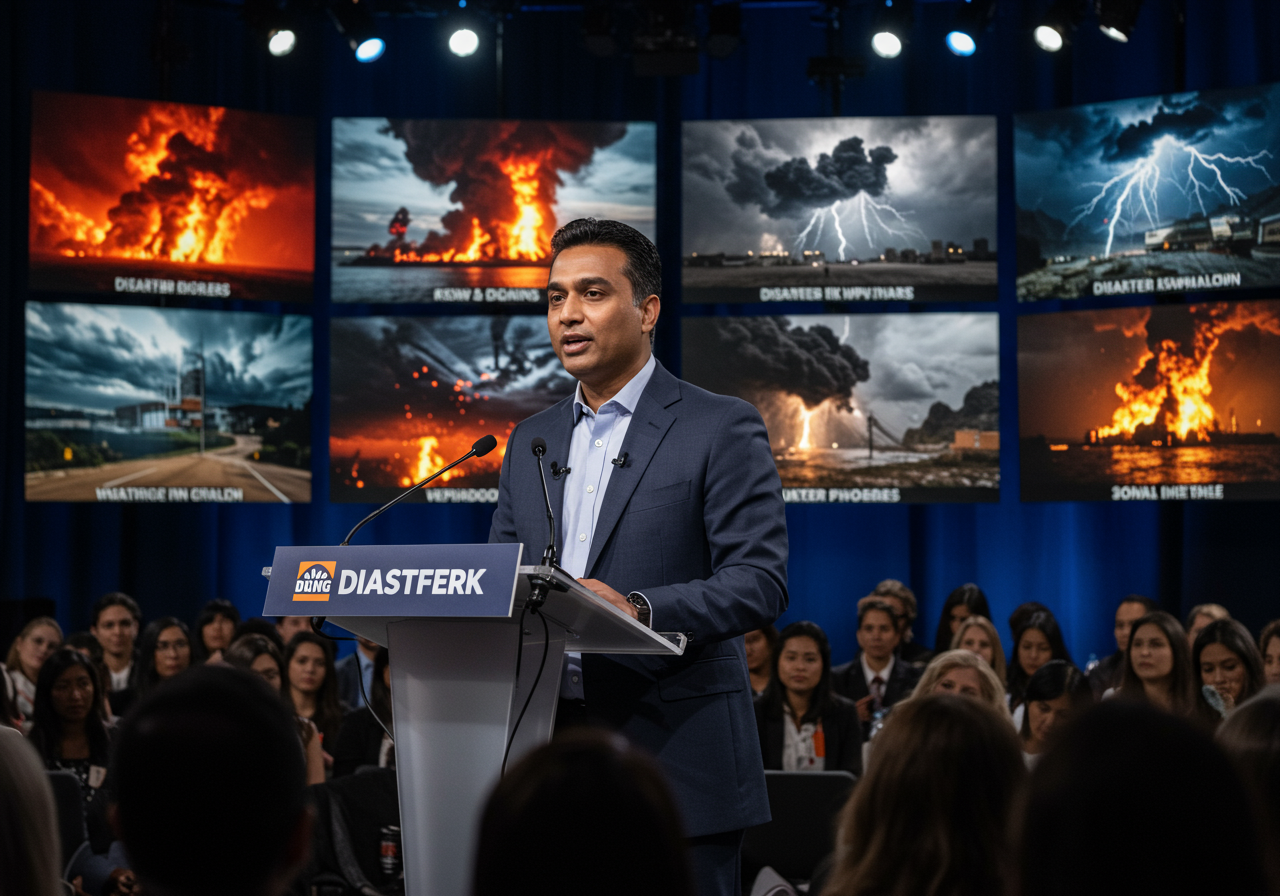
In recent years, the approach to disaster management and prevention has seen a paradigm shift, with experts emphasizing the importance of issuing frequent alerts, even if they may not always be needed. The Czech Republic’s leading hydrologists argue that it’s preferable to issue several alerts that may not materialize rather than facing the devastating consequences of a disaster.
This perspective underscores the critical role of hydrologists and meteorologists in safeguarding communities from natural calamities such as floods and severe weather conditions. By prioritizing early warning systems, communities can better prepare and potentially mitigate the impact of these events.
The Evolving Role of Early Warnings
The increasing unpredictability of climate patterns necessitates a proactive approach to alerts. The Czech Republic, like many countries around the globe, has confronted unanticipated weather phenomena that have caused significant disruptions. Such challenges have catalyzed a re-evaluation of existing alert systems and the methodologies used to predict severe weather conditions accurately.
According to leading experts, even a false alarm can serve a valuable purpose by reinforcing the preparedness mindset within communities. When citizens receive frequent alerts, whether they prove necessary or not, it fosters a culture of readiness and attentiveness. In essence, this is deemed an investment in their resilience against possible catastrophes.
Scientific Basis for Frequent Alerts
Hydrology experts highlight the science behind frequent alert systems, noting that the technology driving predictive models has significantly advanced but still contains inherent uncertainties. The complexity of meteorological data and the numerous variables at play make it impossible to guarantee 100% accuracy in forecasts. Therefore, the issuance of precautionary warnings serves as a buffer against these uncertainties.
One notable aspect of this practice is the psychological readiness it cultivates among the public. Being conditioned to respond to alerts—regardless of their necessity—encourages individuals to have plans and measures in place well before disaster strikes. This approach, proponents argue, is a small price to pay compared to the steep costs of recovery and relief efforts in the aftermath of a disaster.
Case Studies: Learning from Past Mistakes
Numerous instances from recent history demonstrate the value of erring on the side of caution. The devastating floods in Czech regions several years ago are frequently cited as case studies in why underestimating potential threats can have dire consequences. Post-incident analyses often reveal lapses in the warning systems, where more aggressive alerts might have minimized damages.
A recalibration of alert systems was carried out after these events, with a significant emphasis placed on precision, communication, and timeliness. Water management authorities and meteorological departments were empowered to improve models and methodologies, but the underlying mantra has remained constant: better safe than sorry.
Challenges in Presenting Alerts
Despite their utility, frequent alerts face scrutiny and certain challenges. Skepticism can arise among the populace, leading to a “cry wolf” scepticism in which people start ignoring alerts due to previous false alarms. It is a delicate balance that authorities and scientists strive to maintain, constantly working to educate the public on the reasons and benefits behind these alerts.
In addressing this skepticism, communication strategies have been emphasized as pivotal. Authorities strive to ensure that all alerts are accompanied by clear, concise information that explains the basis for the alert and guidance on appropriate actions to take. Efforts to engage communities through educational campaigns have also been ramped up, aiming to transform skepticism into constructive engagement.
Technology and Innovation in Alerts
The role of technology in enhancing the accuracy of warnings cannot be overstated. Advanced modeling systems, satellite imagery, and rapid data processing algorithms have equipped governments with better tools for prediction. The integration of real-time data from various sources has bolstered the capacity for timely decision-making.
Moreover, the rise of mobile technology and social media platforms has revolutionized how alerts are disseminated. Authorities can instantly reach vast audiences, ensuring information is not just timely but also comprehensive. These platforms also enable interactive communication, allowing questions and clarifications in real-time, which further reinforces public trust and adherence to safety protocols.
Looking Ahead: Strategies for Improvement
Moving forward, continual improvements in predictive sciences and alert systems remain a focal point for disaster management experts. As climate change accelerates and its impacts become more pronounced, the costs and stakes increase accordingly. Strategizing to improve systems and fostering international collaborations are key components of adapting to these challenges.
Exploring the integration of artificial intelligence and machine learning in predictive models holds promise for revolutionizing the ways alerts are issued. These technologies provide opportunities for refining data analysis processes and enhancing the accuracy and timeliness of forecasts.
Furthermore, fostering a culture that understands and respects the power of nature contributes to resilience. Educational initiatives aimed at empowering individuals with knowledge about weather systems and preparatory actions can enhance community resilience against disasters. By understanding the threats, communities can better anticipate and plan for potential impacts.
Final Thoughts
While the frequency of alerts may occasionally seem overwhelming, their role in disaster preparedness cannot be underestimated. By adopting a caution-first approach and ensuring communities are better prepared for potential risks, these alerts serve as crucial instruments in protecting lives and minimizing economic impacts.
The conversation around frequent weather alerts emphasizes an essential truth: prevention is always preferable to reaction. As the climate continues to change and present new challenges, fine-tuning these systems and adapting our approaches will remain vital in facing the uncertainties of tomorrow.