 Kristina Vankova
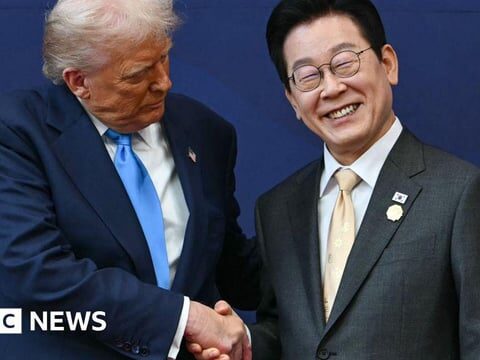
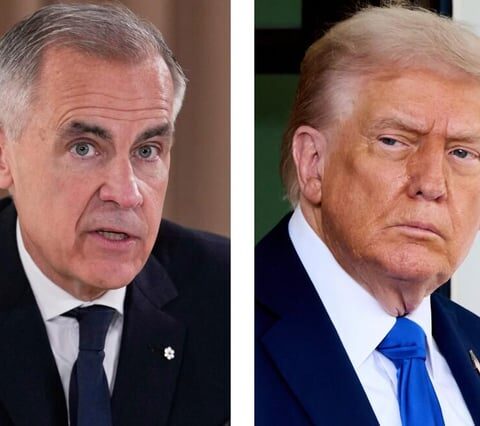
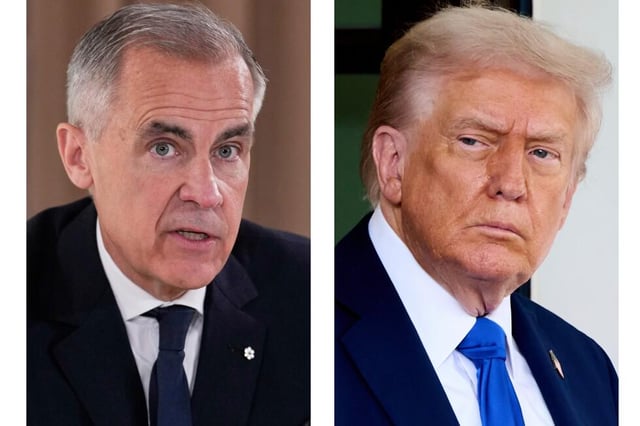
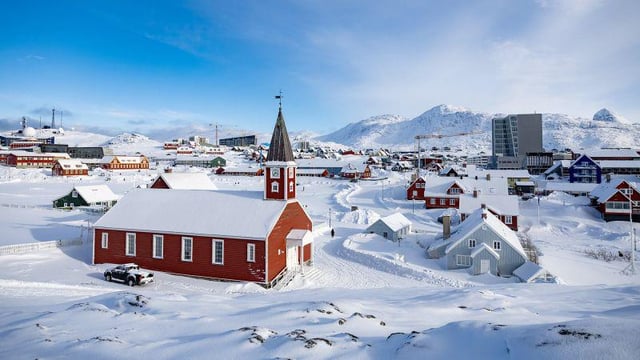
The interest of former President Donald Trump in purchasing Greenland might have seemed like a bizarre geopolitical ambition to many. However, the strategic importance of the world’s largest island, situated between the Arctic and Atlantic Oceans, makes it a valuable asset for both the United States and other global powers. As climate change continues to reshape the Arctic landscape, the potential for untapped resources and new shipping routes further enhances Greenland’s appeal.
Greenland’s Geopolitical Significance
Greenland’s strategic location has long been recognized for its military and geopolitical advantages. During the Cold War, the United States established the Thule Air Base in Greenland, which remains operational today. This location allows for early warning radar systems designed to detect ballistic missile activity, making it a critical component in the defense infrastructure of the U.S. and its NATO allies. Moreover, Greenland’s proximity to the Arctic means it sits on the front line of emerging geopolitical tensions as nations vie for dominance over an increasingly accessible polar region.
Another facet of Greenland’s geopolitical importance is its potential role in the global shipping industry. As Arctic ice melts due to climate change, new shipping routes could emerge, potentially reducing travel distances from Asia to North America and Europe. These routes, although currently navigable only with great difficulty and for limited months, could revolutionize international shipping logistics in the future.
Abundant Natural Resources
The mineral wealth beneath Greenland’s icy landscape is another significant factor driving interest from global powers. Greenland is known to possess large deposits of rare earth minerals, which are crucial for manufacturing a wide array of high-tech products, from smartphones to battery-powered cars. The demand for these resources continues to grow as nations strive to achieve technological advancements and maintain economic growth.
Additionally, Greenland’s reserves include potential oil and natural gas deposits. As the Arctic ice retreats, the prospect of unlocking these fossil fuel resources increases, potentially transforming Greenland into a new energy frontier. The environmental concerns associated with such exploitation are significant, but the economic incentives are equally compelling for countries looking to secure energy independence.
The Diplomatic Dance
The proposal to buy Greenland stirred nationalistic sentiments among Greenlanders and their ruling authority, Denmark. For Denmark, Greenland is not just a remote territory but a crucial part of its Kingdom and cultural heritage. Consequently, Denmark swiftly rejected Trump’s offer, emphasizing that Greenland is not for sale. This diplomatic episode, while unusual, underscores the geopolitical chess game playing out over the Arctic region, as world powers position themselves for influence amid emerging opportunities.
Moreover, the debate surrounding the potential sale of Greenland highlighted issues of sovereignty and self-determination. The Greenlandic government and its people were vocal about their desire to pursue greater autonomy and sustainable development without compromising their cultural identity or ceding control over their natural resources.
In the broader geopolitical context, American interest in Greenland also signals a strategic move to counter the growing influence of other powers, particularly China and Russia, in the Arctic. Both nations have been eager to expand their footprint in the region, pursuing commercial and military ventures that could challenge the United States’ interests.
The saga of Greenland’s unexpected spotlight on the global stage serves as a reminder of the intricate and often unpredictable nature of international politics. While the notion of purchasing Greenland may have faded from immediate headlines, the underlying strategic interests remain as relevant as ever. As the Arctic continues to evolve in response to environmental changes, Greenland’s global significance is likely to persist, inviting further diplomatic engagement and geopolitical maneuvering.