 Vanda Svobodova
The Czech Republic is currently experiencing a severe cold wave, with temperatures plummeting to extraordinary lows. This article provides an in-depth look at the current weather conditions affecting the country, the response from authorities, and the impact on daily life.

The Cold Wave: A Sudden Drop in Temperatures
In a dramatic turn of weather, several regions in the Czech Republic witnessed a significant drop in temperatures. According to the Czech Hydrometeorological Institute (ČHMÚ), temperatures in Orlické Záhoří near Rychnov nad Kněžnou fell below -20°C. Other areas also experienced extreme cold, with minimum temperatures hovering around -15°C.
Geographic Spread of the Cold
The coldest conditions were reported in the Broumovsko and Rýmařovsko regions, with some weather stations recording even lower temperatures than traditional cold spots like Šumava or the Jizerka settlement. This widespread chill has gripped large parts of the country, affecting both urban and rural areas.
Snowfall and Weather Forecast
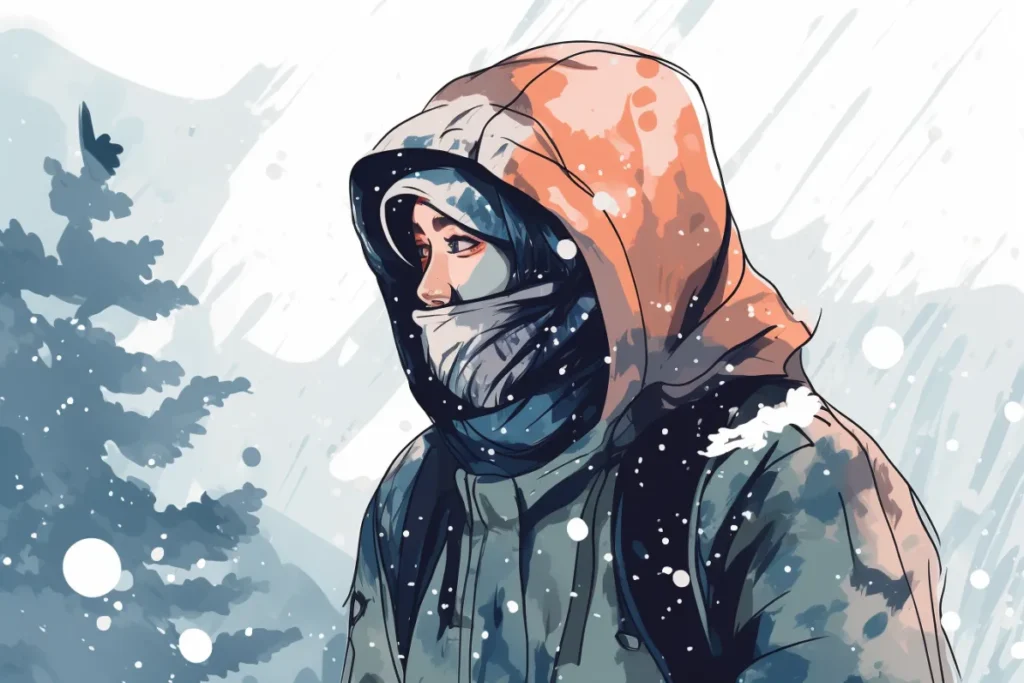
Meteorologists predict that the freezing conditions will continue at least until the next Wednesday, with temperatures in some places not rising above zero even during the day. The forecast for Friday and the weekend includes significant snowfall. While there is some uncertainty about the precise location of the precipitation, models suggest that southern Bohemia and Vysočina could receive several tens of centimeters of snow. The heaviest snowfall is expected in the southern and southwestern parts of the country, including the lowest elevations.
Current Snow Depths
As of now, the snow depths in various regions are substantial. The Krkonoše Mountains report between 50 to 70 centimeters, Šumava has 40 to 60 centimeters, and approximately 30 centimeters of snow cover the Krušné Mountains and Jeseníky. The Alps are also expected to receive up to a meter of new snow according to some models.
Public Safety and Response
The extreme weather conditions have prompted warnings from meteorologists about the potential for ice formation. Authorities are advising the public to exercise caution, especially when traveling. The cold and snow have also led to increased demand for emergency services and have affected transportation, with delays and cancellations in some areas.
Conclusion
The Czech Republic is facing a challenging period due to the extreme cold and heavy snowfall. The situation demands a coordinated response from various sectors, including emergency services, transportation, and public utilities, to ensure safety and minimize disruption. As the country braces for more snow and freezing temperatures, the resilience of its infrastructure and the preparedness of its people are being put to the test.