 Kristina Vankova
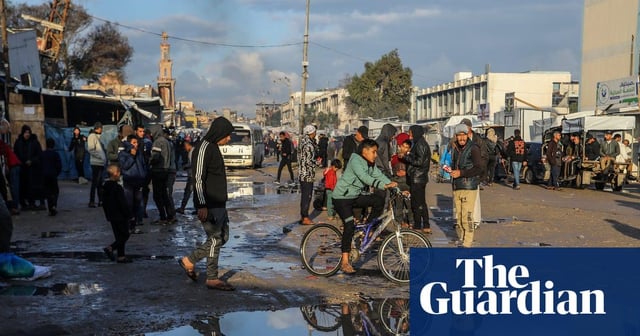
The humanitarian situation in Gaza has experienced a slight improvement, as recent reports from the United Nations indicate that while the region is no longer classified as being in a state of famine, significant challenges related to food insecurity persist. This update sheds light on the ongoing struggles faced by the residents of Gaza, despite some progress made in recent months.
Current Food Security Situation
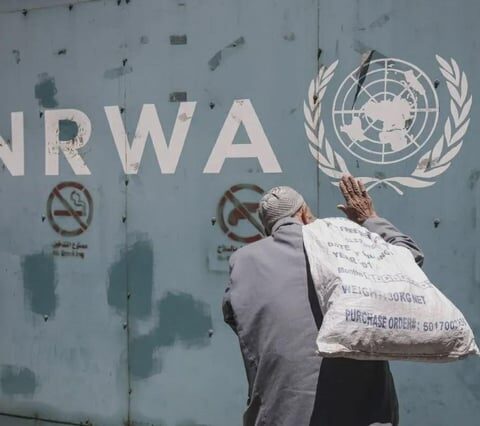
The United Nations Relief and Works Agency for Palestine Refugees in the Near East (UNRWA) has revealed that hunger levels in Gaza remain alarmingly high. Thousands of families are still unable to secure enough food on a daily basis, painting a grim picture of the living conditions in the area. Although direct famine conditions have been alleviated, the region’s food insecurity remains a major concern.
Food assistance programs have played a crucial role in this development, as they continue to provide essential support to those most in need. However, the availability of nutritious and sufficient food for all remains elusive, largely due to economic and political factors that continue to hamper relief efforts.
Challenges Impacting Food Insecurity
Several factors have contributed to the persistent food insecurity in Gaza. Chief among them is the ongoing blockade that restricts the movement of goods and people into the territory. This blockade has crippled the local economy, resulting in high unemployment rates and dwindling incomes, which in turn exacerbate the food crisis.
Moreover, agricultural productivity in Gaza has been severely compromised due to limited access to necessary resources, such as water and fertilizers. The destruction of farmland and infrastructure during periods of conflict has further diminished the capacity of local farmers to produce enough food to meet the population’s needs.
Impact of Socio-Political Dynamics
Political instability has also played a significant role in the current food security scenario. Frequent conflicts and tensions have disrupted daily life and hindered the effectiveness of humanitarian aid. These conditions have made it challenging for organizations to deliver much-needed supplies consistently.
Additionally, international aid intended to address the humanitarian crisis in Gaza is often affected by broader geopolitical dynamics, impacting the flow and efficiency of resources reaching the ground.
Ongoing Humanitarian Efforts and Outlook
The international community continues to rally support for Gaza, with various organizations working tirelessly to alleviate the suffering of its population. UNRWA, along with other non-governmental organizations, remains at the forefront of these efforts, providing food assistance, healthcare, and educational opportunities to those in need.
Efforts to enhance food security include initiatives aimed at sustainable agricultural practices, which are intended to help reduce dependency on external aid by increasing local production. By supporting local farmers with resources and training, these programs aim to create a more resilient food system within Gaza.
Despite these efforts, the path to sustained recovery is fraught with challenges. The need for a comprehensive and peaceful resolution to the political conflict remains crucial to ensuring long-term stability and prosperity in the region.
While the news of alleviating famine conditions brings some relief, it is evident that enduring peace and substantial policy changes are required to address the underlying causes of food insecurity in Gaza. The international community’s continued commitment and collaboration are essential for achieving meaningful progress.
The situation in Gaza continues to be a significant humanitarian concern, demanding ongoing attention and action from global stakeholders. As efforts to address the immediate food security needs persist, broader strategies focused on long-term economic recovery and peacebuilding are imperative to truly transform the landscape of this beleaguered region.