 Kristina Vankova
A prominent German official has ignited a worldwide conversation by suggesting that discussions be initiated around the potential boycott of the upcoming World Cup. This bold proposal is primarily rooted in concerns regarding the impact of the policies enacted by former U.S. President Donald Trump. The proposal has sparked significant debate, both in Germany and internationally, focusing on ethics and the role of sports in political and social matters.
Germany’s Influential Voice in Sports Politics
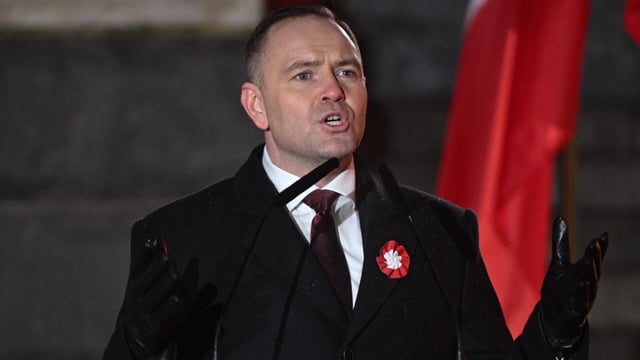
The call for discussion comes from a key figure in German politics, whose concerns highlight the growing tension between sports and global political dynamics. The official argues that Trump’s divisive policies and the resultant geopolitical climate necessitate a re-evaluation of participation on the world stage during such an unprecedented period. This perspective underscores a significant shift in how global events like the World Cup are perceived in today’s politically charged climate.
The Intersection of Sports and Politics
Historically, sports have been a unifying force globally, promoting camaraderie and international cooperation. However, this latest development underscores the increasingly complex relationship between global sporting events and international politics. The call for a potential boycott raises questions about the ethical responsibilities of nations when engaging in events hosted by countries whose leaders may be seen to undermine international norms and values.
The Economic and Social Stakes
A World Cup boycott could carry substantial economic implications. The World Cup is not just a sporting event; it is an economic juggernaut, generating billions in revenue for host nations. A boycott would not only impact businesses and tourism but could also affect the intricate web of global broadcasting rights and sponsorship deals. On the social front, a boycott could further polarize the international community, with nations forced to take sides amidst rising political tensions.
Global Reactions and Potential Outcomes
The proposal has prompted diverse reactions worldwide. Some nations and international organizations support the idea, citing the need for a principled stance against what they perceive as a rise in unilateralism and nationalism. Others argue that sports should remain distinct from political disputes and emphasize the World Cup’s role in fostering global unity and sportsmanship. Should the proposal gain momentum, it could set a precedent for how future global sporting events are negotiated in the face of political and ethical dilemmas.
In light of these developments, the world watches closely as Germany and other nations deliberate the feasibility and implications of such a boycott. This ongoing debate underscores the pivotal role that sports play on the global stage, not just as entertainment but as a powerful platform for political expression and ethical stance. As discussions unfold, the decision on whether to proceed with a boycott could redefine the intersection of sports and politics in the modern era.
In conclusion, the proposal to discuss a boycott of the World Cup due to Donald Trump’s policies highlights a crucial moment in global sports politics, prompting nations to weigh their values against traditional roles and commitments. The outcome of these discussions could significantly impact the landscape of international sports and diplomacy, shaping interactions in a world where the boundaries between sports and politics continue to blur.