 Kristina Vankova
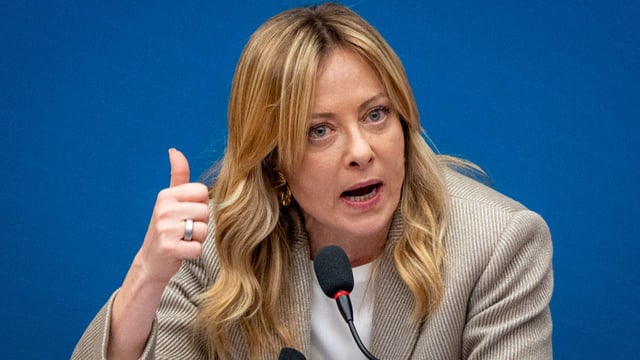
Giorgia Meloni, the Italian Prime Minister, has openly criticized former U.S. President Donald Trump’s comments regarding NATO’s involvement in Afghanistan. Her statements reflect a growing trend of European leaders challenging American perspectives on international security matters.
European Discontent with Trump’s Foreign Policy Stance
Meloni’s response comes in the wake of Trump’s controversial remarks questioning NATO’s role and effectiveness in Afghanistan. Her critique not only highlights her discontent with Trump but also underscores a broader European frustration with the former president’s foreign policy. Trump’s approach often bucked traditional alliances and prompted unease across Europe, leading leaders like Meloni to publicly voice their concerns.
As an influential figure within the European Union, Meloni’s comments have sparked discussions about the future of international alliances and the role of the United States as a global leader. Her stance is part of a broader dialogue among European leaders who are increasingly vocal about their positions on U.S. foreign policies.
The Role of NATO: A Contested Issue
NATO’s mission in Afghanistan has long been a subject of debate. Initially deployed in the aftermath of the 9/11 attacks, NATO forces were integral to the broader strategy of establishing stability and combatting terrorism in the region. While some view NATO’s efforts as essential to creating a strategic foothold in a volatile area, others, including Trump, have described the mission as a costly misadventure with unclear achievements.
Meloni’s criticism of Trump taps into this ongoing debate, highlighting the divide between those who defend NATO’s strategic interests and those who question the alliance’s operational decisions. By openly challenging Trump, Meloni aligns herself with European leaders who continue to underscore the value of collective security efforts in maintaining international peace.
Her statements suggest a reaffirmation of Italy’s commitment to international alliances and a reminder of the strategic importance of cooperative security efforts, particularly in conflict-prone areas like Afghanistan.
Implications for Italy-U.S. Relations
Meloni’s vocal criticism may have implications for Italy-U.S. relations. While the two countries have historically maintained strong ties, differing opinions on global policies could introduce new complexities. As Italy continues to navigate its role within the EU and NATO, Meloni’s positions will likely influence Italy’s diplomatic engagements with the United States.
Moreover, Meloni’s remarks reflect an assertive stance by European nations demanding greater respect and consideration in transatlantic relations. Her comments may prompt further examination of the dynamics between U.S. political shifts and European responses, fostering dialogue on how these partnerships should evolve moving forward.
In acknowledging the challenges and opportunities of the current geopolitical landscape, leaders like Meloni are setting the stage for nuanced discussions on international cooperation and the future of alliances like NATO. With the world increasingly interconnected, such debates play a crucial role in shaping policies that ensure global stability and security.
In an era where international partnerships are vital, Meloni’s critique of Trump’s views serves as a reminder of the importance of shared values and mutual understanding among global powers. Her words resonate beyond Italy, echoing in discussions about transatlantic cooperation that are crucial to international relations today.