 Kristina Vankova
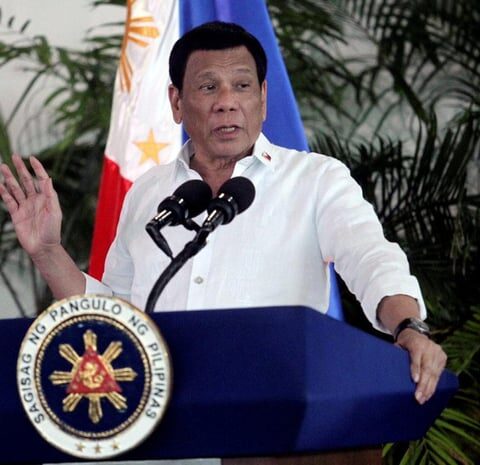
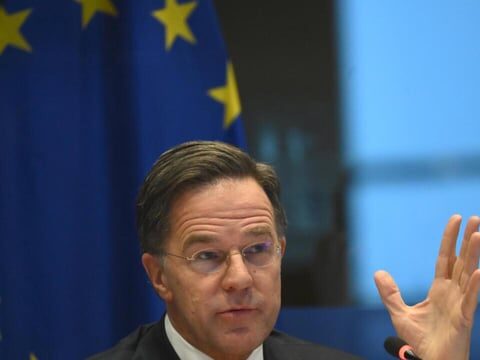
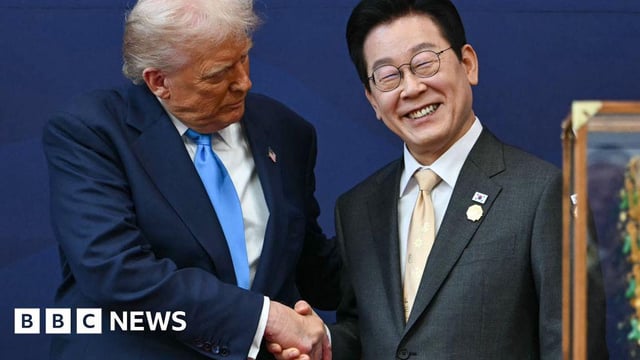
In a strategic move aimed at de-escalating long-standing tensions and fostering collaboration, the United States has extended invitations to leaders around the world to participate in an international summit. The summit is intent on addressing the complexities of Middle Eastern politics and exploring comprehensive paths to peace.
A Broad Spectrum of Leaders and Voices
The upcoming gathering, championed by the US as a pivotal diplomatic initiative, underscores an urgent global imperative: aligning diverse leaders to collaboratively navigate the intricate political landscape of the Middle East. Bringing together heads of state, foreign ministers, and prominent policymakers, the summit will explore multifaceted solutions to regional conflicts, aiming to craft sustainable peace mechanisms that transcend traditional borders.
Importantly, the invitation extends beyond political figures. Influential stakeholders from non-governmental organizations, academic leaders in Middle Eastern studies, and representatives of civil society have also been invited to contribute their voices. This move seeks to ensure a wide spectrum of perspectives, taking into account both geopolitical realities and the human dimension of conflicts.
Historical Context and Current Challenges
Tensions in the Middle East have roots that trace back generations, shaped by religious, historical, and territorial disputes. Conflicts in the region often have global repercussions, affecting international security, economic stability, and energy resources. As such, the world’s focus remains steadfast on finding viable solutions that promote coexistence and mutual prosperity.
Presently, ongoing issues like the Israeli-Palestinian conflict, the Syrian civil war, and the humanitarian crisis in Yemen present significant hurdles. The US-led summit endeavors to address these challenges holistically, finding paths that are both politically feasible and grounded in humanitarian principles. The initiative underscores the importance of renewing diplomatic efforts and emphasizing dialogue and engagement over military solutions.
Expected Outcomes and Global Importance
The summit aims to achieve several key outcomes. Among these are the potential development of new accords or frameworks that address the immediate needs of affected regions and communities. Additionally, the gathering could pave the way for a reinvigorated commitment to existing peace agreements, as well as the potential for new negotiation tracks.
Moreover, the summit highlights the strategic importance of the Middle East in global geopolitics, energy supply, and economic dynamics. Stabilizing the region is a priority for many world leaders, as it is intrinsically linked to broader issues such as global terrorism, migration, and international trade.
As global attention turns towards this high-stakes diplomacy effort, the results of the summit may well set the tone for future international relations and peacemaking efforts. With the varied interests and backgrounds of its participants, this summit may mark a turning point in how the world approaches collective challenges and opportunities for peace in the 21st century.
The world watches eagerly as diplomatic avenues open for discussion, fostering hope that concerted global action can indeed transform an age-old conflict landscape into one of cooperation and lasting peace.