 Vanda Svobodova
Government Halts Support for Rebuilding Homes in Flood Zones
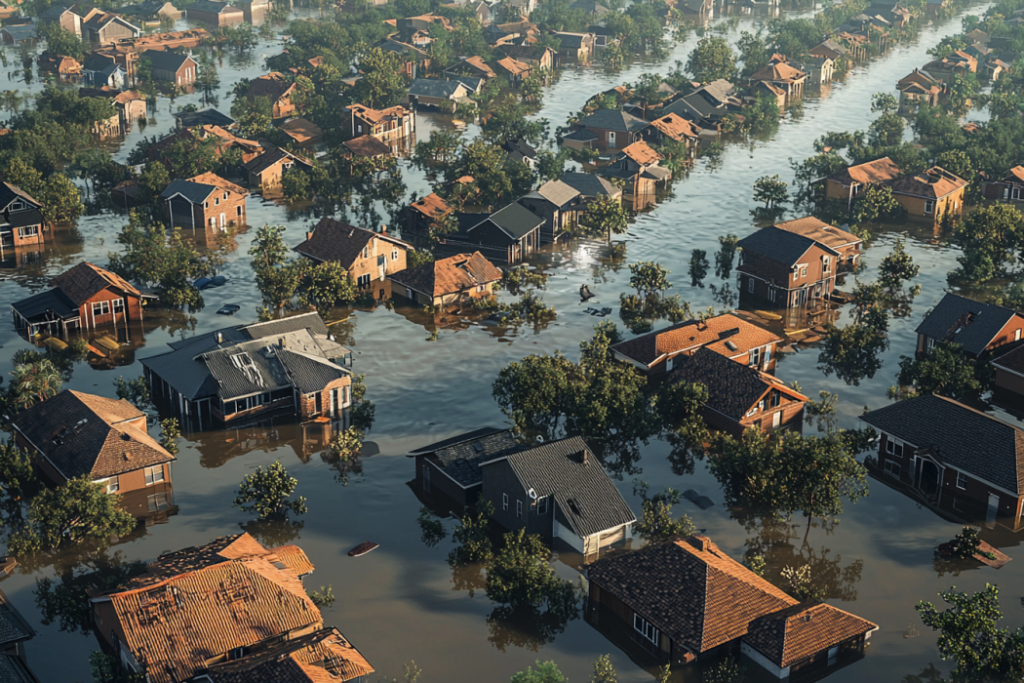
In a move aimed at mitigating the devastating impacts of recurrent flooding, the government has announced that it will no longer provide financial aid for rebuilding homes in designated flood zones. The decision is part of a broader strategy to prioritize public safety and ensure long-term sustainability in the face of increasingly unpredictable weather patterns.

Offering New Land: A Fresh Start for Flood Victims
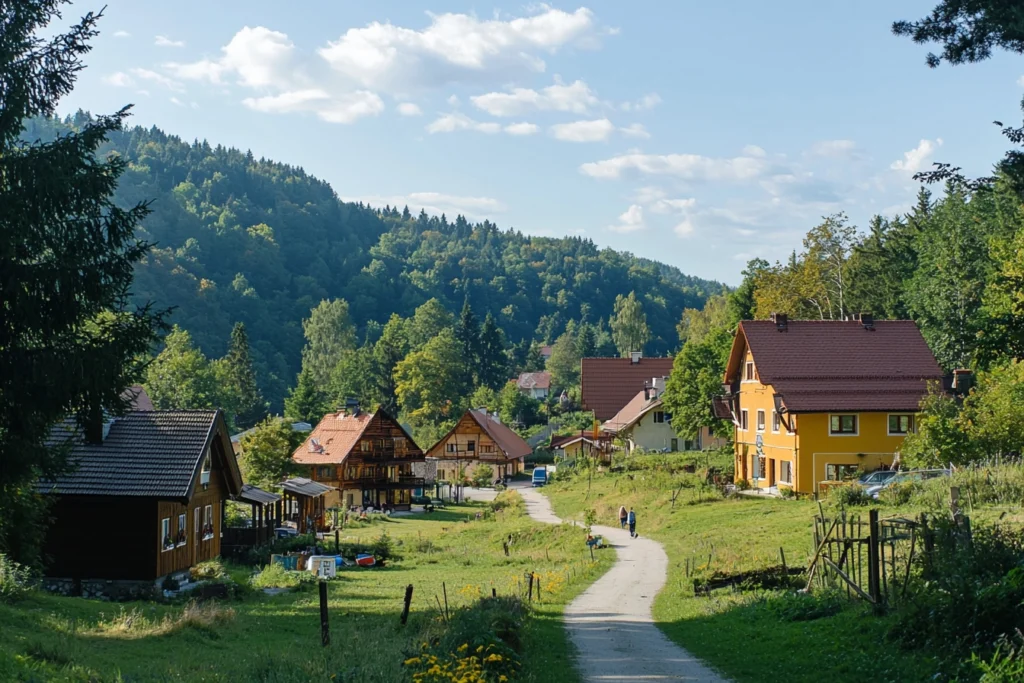
Instead of rebuilding in high-risk areas, the government is offering affected homeowners new plots in safer locations. This initiative is designed to provide a fresh start for families who have repeatedly borne the brunt of nature’s fury.
Understanding the Risks
Studies indicate that climate change is exacerbating weather extremes, making floods more frequent and severe. Building homes in flood-prone areas not only jeopardizes the safety of residents but also strains emergency services and disaster relief resources. By halting reconstruction aid in these zones, the government aims to reduce these risks.
The Impact on Residents
*Jane Novak*, a long-time resident of a flood-prone village, expressed mixed feelings about the government’s decision. “Moving to a new area is daunting, but after the last flood destroyed our home, we have no other choice,” she said. The sentiment is echoed by many who have faced repeated displacements and devastating losses.
Steps Towards Implementation
To facilitate this transition, the government has laid out a comprehensive plan. Affected homeowners will be eligible for compensation to help cover the costs of relocation, and new plots will be allocated based on criteria such as family size and current living conditions.
Application Process
Residents who wish to avail of the new plots must apply through a streamlined online portal. The application will require documentation of their current residence and proof of damage from flooding. Once approved, they will receive detailed information about the designated relocation areas and available amenities.
Community Feedback
Community meetings and feedback sessions are being conducted to address concerns and provide information about the relocation process. “We understand that this is a significant change for many families, and we are committed to ensuring a smooth transition,” said Anna Kralova, spokesperson for the Ministry of Housing.
Building Safer Communities
The new plots will be located in areas that have been thoroughly vetted for safety and resilience against extreme weather. Government planners are incorporating modern urban design principles to create communities that are not only safe but also vibrant and sustainable.
Infrastructure and Services
These new areas will be equipped with state-of-the-art infrastructure, including flood defenses, efficient drainage systems, and access to essential services such as healthcare, education, and transportation. “Our goal is to build communities that are prepared for the future,” said Kralova.
Environmental Considerations
In addition to human safety, environmental sustainability is a key focus. Green spaces, renewable energy sources, and eco-friendly construction materials will be prioritized in the new developments. This approach aims to minimize the ecological footprint of these communities while enhancing residents’ quality of life.
Challenges Ahead
While the initiative has received praise from environmentalists and safety advocates, it also faces significant challenges. The logistics of relocating hundreds of families, ensuring equitable treatment, and maintaining community ties are complex issues that need careful management.
Economic Factors
The financial burden of relocation is another critical concern. While the government has promised compensation, the actual costs of moving and settling into a new area might exceed initial estimates. Support systems must be robust to prevent economic hardship for affected households.
Maintaining Social Networks
For many, the idea of leaving long-established social networks is a daunting prospect. *Radek Polak*, a sociologist at Charles University, emphasizes the importance of community cohesion in successful relocations. “Maintaining social ties is crucial for mental health and overall well-being,” he notes.
Looking Forward
The government’s decision marks a significant shift in how the country responds to natural disasters. By moving away from reactive measures to proactive planning, there is hope for creating a safer, more resilient future. The success of this initiative will depend on careful execution, ongoing support for affected families, and the willingness of communities to adapt to change.
Final Thoughts
While the road ahead is fraught with challenges, the initiative to stop funding home rebuilds in flood zones and offer new land represents a crucial step towards a safer and more sustainable future. As the nation grapples with the realities of climate change, such forward-thinking policies will be essential in safeguarding lives and livelihoods.

Create an image depicting a flooded neighborhood with damaged homes, juxtaposed with new construction plots offered by the government in a safer area. The scene should convey a sense of transition and relief amidst devastation, emphasizing the government’s initiative to relocate residents and rebuild lives away from flood zones.