 Kristina Vankova
The call for stringent climate action across Latin America has reached a critical juncture as the continent’s leading human rights court issues a stern declaration. With mounting evidence of the devastating impacts of climate change, the push for governments to implement comprehensive measures has intensified.
The Imperative of Climate Action
In recent years, Latin America has faced severe environmental challenges, ranging from deforestation to unprecedented weather events. This has prompted the Inter-American Court of Human Rights to take a bold stance, urging states to fulfill their obligations under international environmental agreements. The ruling emphasizes the undeniable link between human rights and environmental conservation, arguing that failure to act endangers both the planet and its inhabitants.
This decision comes as a wake-up call for regional leaders to enhance their environmental policies, highlighting the dire need for sustainable development initiatives. By integrating environmental protections into human rights, the court aims to ensure a healthier and more secure future for the region.
Challenges and Opportunities
The struggle against climate change in Latin America is not without its challenges. Many countries in the region are grappling with political instability, economic constraints, and inadequate infrastructure, which complicate efforts to implement effective environmental policies. Additionally, the region continues to face pressure from industrial interests that prioritize short-term economic gains over long-term environmental sustainability.
Addressing Deforestation
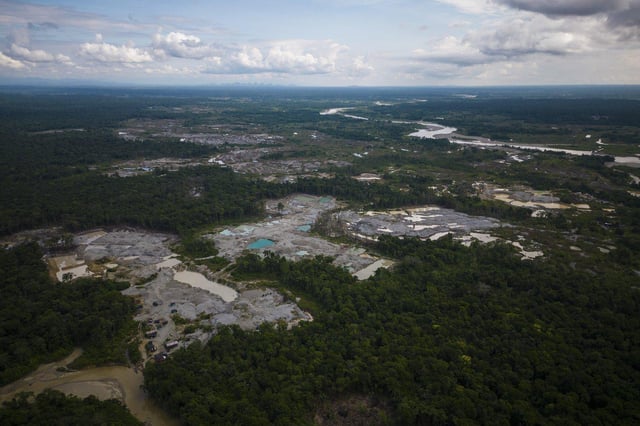
Deforestation remains one of the most pressing issues, notably in the Amazon rainforest, often referred to as the planet’s “lungs.” This vast ecosystem continues to suffer from illegal logging, mining, and agricultural encroachment. The court’s ruling underscores the need for robust legal frameworks and enforcement to protect these vital areas, encouraging governments to crack down on activities that contribute to habitat destruction.
Combating Carbon Emissions
Latin America’s carbon emissions, although lower compared to other regions, are increasing. Countries are urged to invest in renewable energy sources and prioritize the reduction of carbon footprints. The development of infrastructure for clean energy technologies presents both a challenge and an opportunity, fostering potential for economic growth through green jobs and innovation.
Regional Collaboration and International Support
Regional collaboration is key to building resilience against climate change. By pooling resources and sharing knowledge, Latin American nations can bolster their collective response to environmental threats. The integration of environmental policies across borders can also help in the creation of large-scale conservation projects that transcend national boundaries.
Moreover, international support plays a critical role in empowering Latin American countries to pursue ambitious environmental goals. Global partnerships can provide the necessary funding, and technological exchange, and support capacity-building efforts that are crucial for sustainable development.
A Path Forward
Looking ahead, the path to tackling climate change in Latin America lies in strategic planning and decisive action. Engaging citizens and raising awareness about the importance of environmental protection can mobilize grassroots movements, amplifying the demand for policy change. Involving local communities in conservation efforts ensures that those most affected by climate change have a stake in preservation initiatives.
- Strengthening environmental regulations
- Promoting sustainable land use
- Encouraging public and private sector cooperation
These strategies not only mitigate the impacts of climate change but also contribute to the region’s socio-economic development, presenting a compelling opportunity to redefine growth in a sustainable context.
The court’s directive serves as a poignant reminder of the urgent need for action. The intersection of environmental stewardship and human rights is becoming increasingly crucial, calling for Latin American governments to rise to the occasion and secure a sustainable future for generations to come. With determination and collaboration, the region can transform these challenges into opportunities for resilience and growth.