 Kristina Vankova
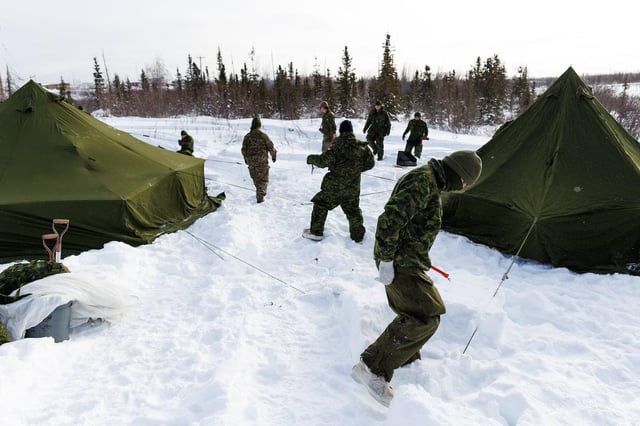
The prospect of deploying military personnel to Greenland is generating considerable attention as Carney weighs the decision alongside NATO allies. The potential move highlights the increasing strategic importance of the Arctic region amid global security discussions. Whether driven by climate change, geopolitical interests, or regional stability, the idea of conducting military exercises in Greenland signals a significant shift in focus for defense strategies.
Strategic Importance of Greenland
Greenland, the largest island in the world, is now squarely in the spotlight due to its strategic position within the Arctic Circle. The melting of polar ice caps, attributed to climate change, has made the Arctic more navigable, opening new maritime routes and access to untapped natural resources. This environment has made Greenland a crucial area for military and economic interests.
NATO members are increasingly aware of the potential security challenges in the Arctic. As geopolitical tensions rise, especially with nations such as Russia modernizing their Arctic military capabilities, the region has become a strategic focal point. The consideration of military exercises in Greenland suggests a preemptive measure to strengthen the defense posture in this emergent theater.
NATO’s Role and Collaborative Efforts
The involvement of NATO in the decision to potentially deploy troops to Greenland underscores the alliance’s commitment to collective security. Greenland’s political affiliation with Denmark, a NATO member, facilitates this cooperation. However, the logistical complexities and financial implications of such a move require thorough assessment.
NATO’s enhanced focus on the Arctic aligns with its broader strategy to adapt to contemporary global threats. Joint military exercises would not only test the readiness of NATO forces under extreme conditions but also demonstrate a unified stance in the face of any potential threats to Arctic stability. This proposed action reinforces NATO’s strategy of deterrence, which is crucial amidst the evolving dynamics of global security.
Challenges and Concerns
Despite the strategic advantages, the deployment of soldiers in Greenland raises several concerns. Environmental impact remains a pivotal issue, with military exercises potentially threatening the fragile Arctic ecosystem. The delicate balance between demonstrating military strength and preserving environmental integrity is a contentious point in this debate.
Moreover, the financial costs associated with such deployments could be significant. Establishing infrastructure, ensuring logistical support, and maintaining a standing military presence in Greenland requires substantial investment. These factors contribute to the multilayered decision-making process faced by Carney and NATO allies.
The Future of Arctic Security
As dialogue continues regarding the deployment of troops to Greenland, it is evident that the Arctic will remain an area of critical importance. The region’s future will likely involve increased international cooperation to ensure security, stability, and sustainable development.
The potential presence of NATO forces in Greenland could serve as a benchmark for how nations respond to the unique challenges presented by the Arctic. The decision will not only influence military strategies but also set a precedent for balancing national interests with global cooperation and environmental stewardship.
The deliberations around this significant move are expected to shape the geopolitical landscape of the Arctic for years to come, prompting nations to reconsider their approaches to security and diplomacy in this increasingly accessible region.
The outcome of these discussions, as well as the ensuing actions by Carney and NATO, will be pivotal in establishing Arctic policies that reflect both the complex realities and strategic importance of this vital region. As decisions unfold, the world watches closely, aware that the Arctic holds keys to both regional and global futures.