 Kristina Vankova
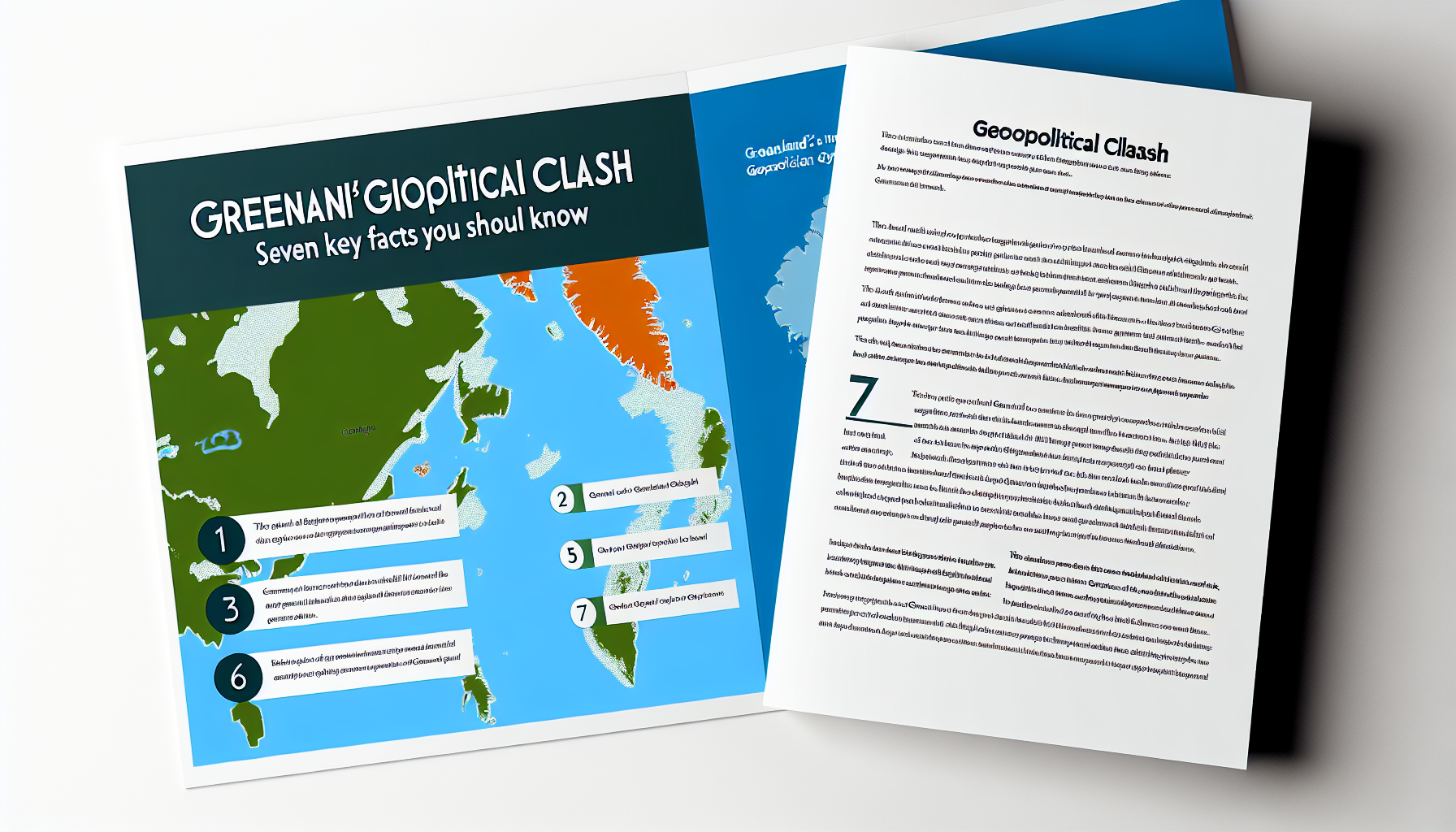
In a world increasingly defined by geopolitical tug-of-war, Greenland emerges as a strategic pivot point attracting global superpowers. This icy island, cloaked in mystery and potential, boasts resources and geographical positioning that make it a coveted asset. As nations vie for influence over Greenland, understanding the stakes is essential. Here are seven key facts driving the geopolitical clash over this Arctic territory.
1. Strategic Location
Greenland’s geographical situation places it at the crossroads of North America and Europe, providing a unique strategic advantage. This colossal island lies near vital maritime routes, becoming an essential location for military and scientific endeavors. Its proximity to the Arctic, where ice sheets are receding due to climate change, opens new navigation routes and potential resource extraction opportunities. Superpowers see Greenland as a fulcrum for asserting military and economic dominance in the Arctic region.
2. Abundant Natural Resources
Greenland is rich in untapped resources, including rare earth minerals, hydrocarbons, and freshwater. As global demand for these materials escalates, countries are ramping up efforts to gain a stake in Greenland’s resource development. Greenland holds about one-fifth of the world’s supply of rare earth elements, integral to the production of electronics, renewable energy technologies, and military applications. The promise of exploiting these resources attracts significant international investment and interest.
3. Indigenous Rights and Economy
The island’s Indigenous population, primarily Inuit, plays a critical role in shaping Greenland’s future. Autonomous since 2009, Greenland has its own government which manages most internal affairs, though foreign policy is still under Danish control. Greenland’s reliance on subsidies from Denmark, albeit decreasing, is still a factor in its quest for more significant autonomy and economic independence. Balancing economic development with preserving indigenous culture and rights represents an ongoing challenge for Greenland.
4. Climate Change Impacts
The effects of climate change are particularly pronounced in Greenland, where warming temperatures are altering landscapes and traditional livelihoods. Thawing ice exposes potential mining sites and makes oil and gas reserves more accessible. However, it also threatens ecosystems and the lifestyles of its people, raising ethical and environmental concerns over resource exploitation. Global interest grows as Greenland becomes a symbol and a laboratory for studying climate change impacts.
5. Security and Defense
Greenland’s defense significance is underscored by its role in NATO and its hosting of U.S. military bases, including Thule Air Base, a key site for missile warning systems and space surveillance. With the increasing geopolitical tensions in the Arctic Circle, these assets enhance Greenland’s strategic military value. The region is a critical component in the broader security architecture of the Arctic, drawing major powers into complex diplomatic engagements.
6. Technological and Scientific Frontiers
Greenland serves as an invaluable site for scientific research, ranging from glaciology to climate science. It is a natural laboratory due to its glacier-dominated landscapes, which offer insights into past climate conditions and future climate scenarios. The area presents opportunities for technological advancements and international scientific collaborations, further driving global interest in Greenland’s development and governance.
7. Political Leverage and Diplomacy
Greenland’s geopolitical importance gives it significant leverage on the international stage. The island’s potential for independence from Denmark would shift power balances in the Arctic, spurring debates over sovereignty and international law. Global powers, including the United States, China, and Russia, are keen to maintain or increase their influence in Greenland’s evolving political landscape, recognizing the island’s role in future global power dynamics.
This multifaceted dynamic surrounding Greenland underlines the complex interplay of environment, resources, indigenous rights, and strategic positioning. As these factors converge, Greenland’s geopolitical narrative will continue to evolve, shaping not only the Arctic’s future but also the broader geopolitical climate worldwide.
With these insights, it becomes clear that Greenland is not just an icy expanse but a vital piece of the global puzzle. As climate change reshapes its environment and superpowers adjust their strategies, Greenland remains at the heart of international intrigue and competition.
As we observe these developments, staying informed and engaged is key. How do you see the geopolitical scenario in Greenland evolving? Share your thoughts and join the conversation in the comments below!