 Kristina Vankova
Doctors Without Borders, also known as Médecins Sans Frontières (MSF), has been forced to suspend its healthcare services in Haiti amidst escalating insecurity. This decision underscores the growing challenges faced by humanitarian organizations operating in regions afflicted by violence and instability. The suspension comes as a significant blow to the Haitian healthcare system, which heavily relies on external aid to cater to the health needs of its population.
Rising Insecurity in Haiti
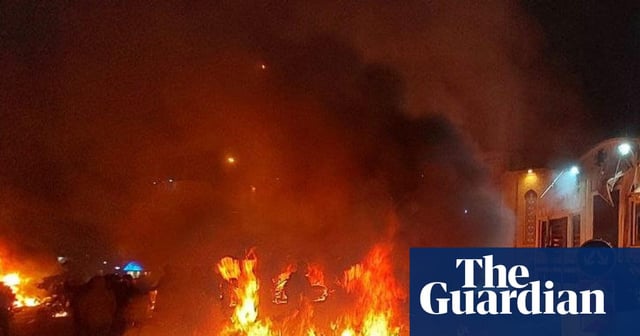
Haiti has been grappling with increasing levels of violence that have intensified due to political and economic unrest. The current environment has reached a point where it poses a direct threat to the safety of health workers and their ability to perform their duties effectively. With armed groups wielding significant control in certain regions, kidnapping, extortion, and violence have become rampant. This has made it exceedingly challenging for organizations like MSF to maintain their operations.
Healthcare workers in Haiti often find themselves at the mercy of these armed entities, forcing many to shut down their services temporarily or permanently. For MSF, the security and safety of its staff, patients, and facilities have always been of paramount concern. Their decision to suspend services, although regrettable, stems from the need to prioritize these elements amidst the current precarious climate.
The Impact on Healthcare Services
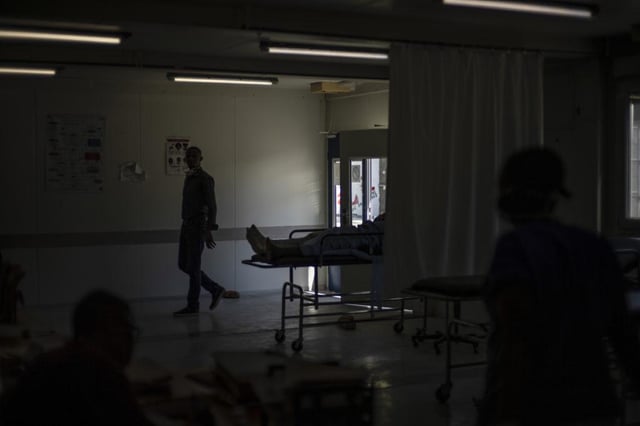
The interruption of services by MSF is a severe setback for Haiti, where healthcare infrastructure is already fragile and under-resourced. The organization plays a critical role in providing medical assistance, especially in emergency situations and for marginalized communities. The suspension affects a range of services including emergency medical aid, maternal care, and treatment for chronic illnesses, leaving a significant gap that local health services struggle to fill.
Many Haitians depend on international aid organizations not only for immediate healthcare but also for long-term health education and disease prevention efforts. The cessation of MSF’s activities removes a critical lifeline for thousands of Haitians, potentially leading to increased morbidity and mortality rates, particularly in underserved areas.
Challenges in Delivering Aid
- Logistical Barriers: The operating environment in Haiti poses numerous logistical challenges. Poor road conditions, frequent disruptions, and a general lack of infrastructure hinder effective service delivery.
- Resource Limitations: Haiti’s healthcare system suffers from a chronic shortage of medical supplies, personnel, and facilities, which complicates efforts to address the population’s healthcare needs.
- Security Concerns: The perpetual threat of violence and instability poses a serious risk to staff safety, further complicating the delivery of aid and medical services.
Responses and Future Prospects
The suspension of MSF’s services has triggered concerns among local and international stakeholders. The Haitian government, alongside global partners, is under pressure to improve security conditions to facilitate the safe resumption of humanitarian work. There is a growing consensus that sustainable solutions require enhanced coordination between international organizations and local authorities.
In the meantime, other international NGOs and local health workers strive to fill the void left by MSF, though they face their own set of challenges. Calls for increased funding and international support have intensified, as Haiti’s need for a stable and reliable healthcare framework becomes ever more apparent. As the situation continues to evolve, the resilience and adaptability of aid organizations will be crucial in navigating this complex environment.
As Haiti grapples with its current challenges, the suspension of services by Doctors Without Borders is a stark reminder of the intricate link between security and effective healthcare delivery. The hope remains that with concerted efforts and international solidarity, the obstacles facing Haiti’s healthcare system can be gradually overcome, allowing for the restoration of vital services to its most vulnerable populations.