 Kristina Vankova
In a significant development in the ongoing conflict in the Gaza Strip, Hamas has issued a formal response to a proposed peace agreement aimed at establishing a truce in the tumultuous region. The Islamic militant group, which holds dominance in the Gaza area, has been a pivotal player in the conflict that has drawn global attention for decades. The proposal, crafted by international mediators, seeks to quell the ongoing hostilities and bring lasting peace to an area long marred by violence and tension.
The proposal centers around a series of actions aimed at easing tensions and fostering conditions conducive to a durable cessation of hostilities. Key elements include the loosening of economic restrictions, increased humanitarian aid, and the rebuild of crucial infrastructure that has been devastated by years of conflict. The response from Hamas reveals a multifaceted stance that reflects the group’s priorities and preconditions for peace.
Hamas’ Stance on Key Proposal Elements
One of the cornerstone points of the peace proposal is the lifting of the economic blockade that has severely hindered Gaza’s economy. Hamas has long blamed the blockade for economic stagnation and humanitarian issues affecting the region’s two million residents. In its response, Hamas underscored the importance of lifting this blockade as a fundamental step towards peace. The group argues that economic sanctions are tantamount to a siege on its people, infringing on their basic rights and stymying growth.
Humanitarian Aid and Infrastructure Rebuilding
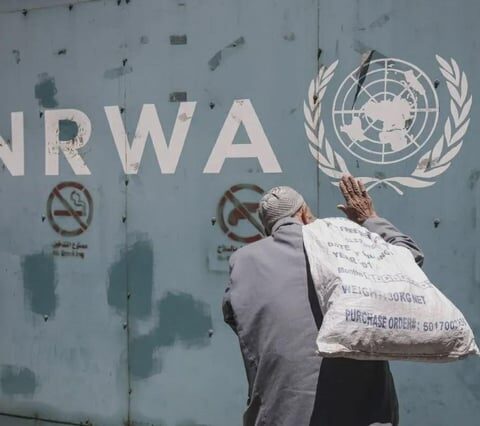
Integral to the proposal is a plan to increase the influx of humanitarian aid, a critical concern given Gaza’s dire socio-economic conditions. Hamas acknowledges the necessity of this aid but insists it should not be subject to political conditions. The group’s leadership stresses that aid should directly benefit the civilian population and not be diverted or manipulated for political leverage. Concurrently, the rebuilding of infrastructure is pivotal. Decades of conflict have left vital facilities in disrepair. Hamas calls for an expedited reconstruction process, coordinated with international donors but free from foreign political agendas.
Demands for an Inclusive Dialogue
Hamas’ response also elaborates its demand for an inclusive dialogue, incorporating all Palestinian factions. The group emphasizes that any sustainable peace agreement must reflect a consensus among the various political and militant factions within Palestine. The presence of a united Palestinian front, Hamas argues, is crucial for negotiating viable terms of peace. Such a dialogue, according to Hamas, should be overseen by neutral international bodies that can ensure fair representation and the implementation of any agreed terms.
Security Concerns and Preconditions
Security remains a cornerstone issue. Hamas asserts that any peace plan must address security concerns holistically. The group remains committed to Palestine’s right to self-defense against perceived aggression, which complicates discussions around disarmament and military de-escalation. Proposals for ceasefires are welcomed by Hamas, provided they offer real guarantees for protection and not just temporary respites that leave their interests vulnerable.
Responses from International Players
The international community has closely monitored Hamas’ response, given its implications on regional stability and security. Countries and organizations involved in brokering the proposal have reiterated calls for patience and diplomatic engagement. The United Nations and other major players have emphasized the need for both sides to prioritize human life and peace over prolonged conflict.
Observers note that while Hamas’ response is complicated by historical grievances and political aspirations, it represents a step towards potential openness to negotiation. Nonetheless, skepticism remains among critics who question Hamas’ ultimate intentions and its willingness to adhere to cessation agreements.
Next Steps in the Peace Process
Looking ahead, the peace proposal and Hamas’ response set a complex stage for future negotiations. The nuanced positions taken by the group highlight the multifaceted nature of the conflict and the challenges inherent in achieving consensus. Diplomats and mediators are likely to ramp up efforts to bring both parties back to the table, with a focus on practical, enforceable steps towards reconciliation.
For the people of Gaza, the stakes are high. The success or failure of this peace proposal could have profound implications on their daily lives and rights. Therefore, the international community’s role is critical in ensuring transparency and fairness throughout this process, maintaining pressure on all parties to adhere to peace commitments.
This development marks another chapter in the protracted struggle for peace in Gaza. Hope remains that through concerted international efforts and genuine negotiation, a resolution can be reached that honors the interests of all stakeholders and fosters a lasting peace.