 Kristina Vankova
In a development that has sparked significant uproar across the international community, reports have emerged alleging that Hamas has been stockpiling baby formula in Gaza. This revelation comes against the backdrop of an ongoing humanitarian crisis in the region, exacerbating the dire scarcity of essential supplies and putting vulnerable infants at risk.
The Allegations and Immediate Reactions
The allegations suggest that Hamas has deliberately hoarded baby formula, a critical resource amidst the current shortages. Such actions, if true, undermine the urgent humanitarian needs of civilians, particularly children who rely on formula for nutrition and survival. The claims have led to widespread condemnation, highlighting the complexities of humanitarian aid distribution during conflict times.
While the details surrounding these accusations remain partly unverified, the news has provoked furious reactions both within Gaza and globally. Many express concerns over potential exploitation of resources intended for the most vulnerable, raising ethical questions about the distribution methods and oversight of humanitarian aid in conflict zones.
Sociopolitical Impact
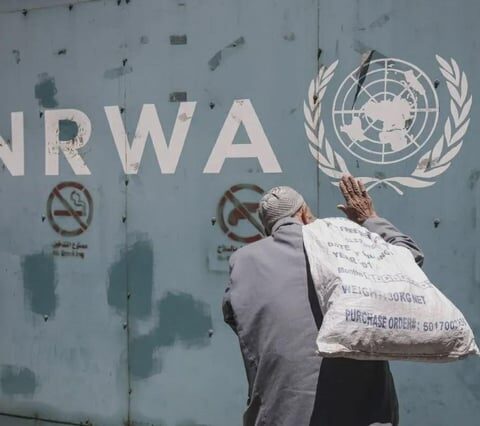
This issue has brought renewed attention to the challenges faced by aid organizations operating in Gaza. The situation not only complicates their efforts to ensure that aid reaches those in desperate need but also casts a spotlight on the political dimensions of humanitarian support. Critics argue that any mismanagement of resources could lead to further destabilization in an already fragile region.
The Struggle for Aid Transparency
- Concerns over corruption and misuse of aid supplies.
- Challenges in ensuring accountability with local and international parties involved in aid distribution.
- Need for transparent reporting mechanisms to prevent and address accusations swiftly.
On the ground, the challenge remains to manage and monitor aid effectively, ensuring that it reaches intended recipients without being diverted for political or strategic gains.
International Community’s Role
The international community’s reaction to these reports has underscored a collective urgency to address the misuse of humanitarian supplies. Leaders and organizations worldwide emphasize the need to reinforce international oversight and accountability measures. These steps are critical to ensuring the integrity of aid operations and reinforcing trust in international humanitarian initiatives.
As the debate continues, the apparent blocking or redirecting of supplies meant for civilian well-being brings to light the broader issues of governance and geopolitical strife. Calls for increased monitoring of aid distribution, along with cooperative efforts among countries, aim to ease the escalating struggles faced by ordinary people in Gaza.
The implications of such actions, particularly in the context of hopscotching resources, pose challenges that extend beyond immediate humanitarian concerns, weighing heavily on diplomatic and policy discussions.
For inhabitants of Gaza, the chaos inflicts not just a logistical nightmare but a humanitarian one, where hope becomes a scarce commodity in a landscape marred by conflict and deprivation. As further investigations unfold, there is a pressing need to re-establish systems that ensure the fair distribution of resources to stabilize and support the region’s most vulnerable populations.