 Vanda Svobodova
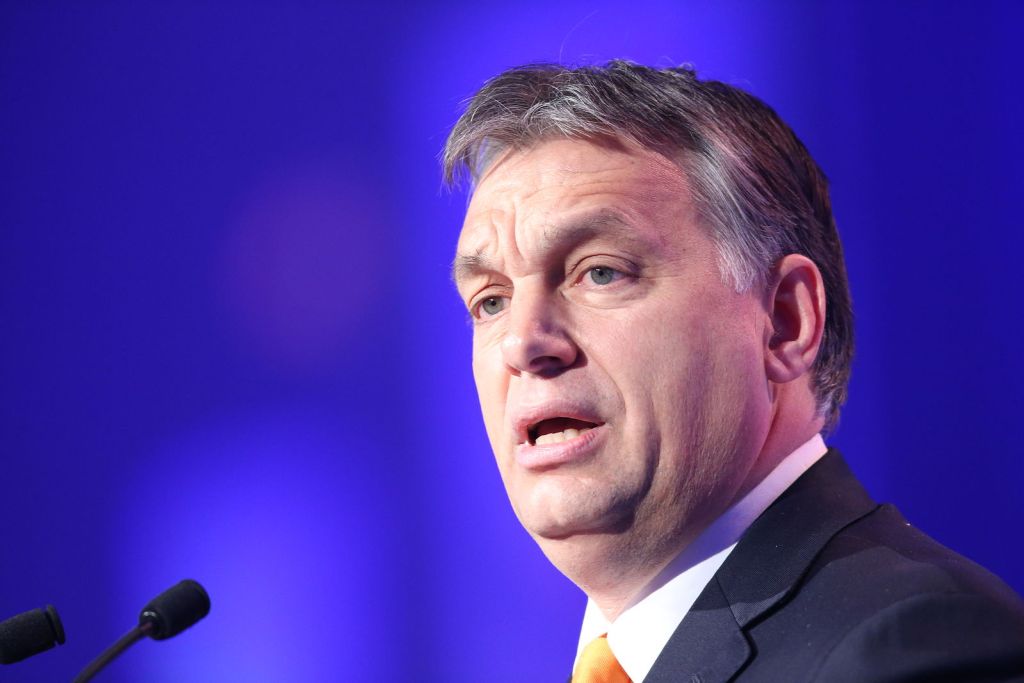
In recent years, Europe has witnessed the rise of authoritarian populists who, while not outright dictators, still need to win elections. These leaders, such as Hungary’s Viktor Orbán and Turkey’s Recep Tayyip Erdoğan, often maintain power despite economic challenges and high inflation rates. A key factor in their political longevity is their influence over the news media, which allows them to shape political debate while maintaining the appearance of a free and democratic press.
The structure of media ownership networks in countries with authoritarian populist governments, like Hungary and Turkey, enables government-affiliated news outlets to dominate public discourse. In Hungary, for example, the Central European Press and Media Foundation (Kesma) controls over 500 national and local media outlets. Kesma, established in 2018, is headed by a board of trustees full of Orbán loyalists. While opposition media voices exist, especially online, public funding and advertising predominantly flow to pro-government media, putting independent media in a financially precarious position.
In Turkey, the Dogan Media group, which owned some of Turkey’s largest news outlets, was sold piece by piece to the Demirören Group, allies of Erdoğan and the ruling AKP. This shift in media ownership has further tightened the government’s grip over the country’s media landscape.
Interestingly, authoritarian populist governments often rely on the existence of some opposition media. This allows them to maintain a semblance of democracy and media pluralism, making it difficult for international press freedom bodies to criticize the regime for a lack of pluralism. It also sets up an “us versus them” situation, where opposition voices can be vilified and ridiculed by regime-friendly media. In Hungary, pro-government media outlets have launched smear campaigns against independent media outlets funded by international grants, labeling them “dollar media” and accusing them of serving foreign interests.
This system of “competitive authoritarianism” maintains a facade of democracy through electoral and market competition, despite the reality being heavily rigged. Authoritarian populists do not seek to completely exclude dissenting or opposition actors; rather, they rely on their existence for scapegoating and vilification. However, in a regime where power is manipulated in favor of the voices that echo the regime’s message, opposition viewpoints are effectively drowned out.
For democracy and its defenders, this means being cautious about jumping to conclusions about media pluralism based solely on measures of media ownership concentration. Depending on the structure of the media ownership network, a populist authoritarian government does not need to concentrate media ownership in the hands of just one state-aligned media group. Allowing dissident voices to exist at the margins is sufficient, as leaders like Orbán and Erdoğan know that very few people are listening to these marginalized voices.
For more detailed information, you can read the original article on The Conversation.