 Kristina Vankova
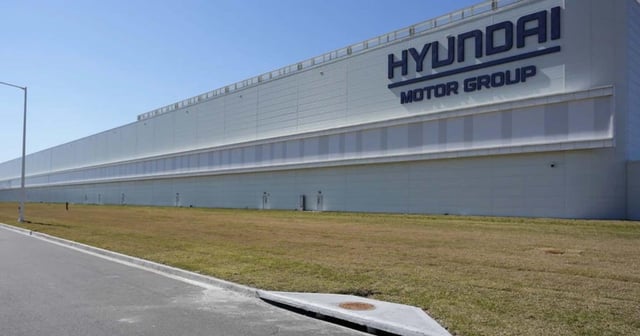
In a significant shift within the global automotive industry, Hyundai has announced its decision to exit the Russian market. This move aligns the South Korean automaker with several other international car manufacturers that have recently reduced or ceased operations in Russia. The decision reflects the growing challenges foreign companies face amidst ongoing geopolitical tensions and economic instability in the region.
Hyundai’s Strategic Withdrawal
Hyundai’s exit from Russia marks a strategic response to a complex set of factors. Over recent years, the Russian market has become increasingly challenging for foreign businesses, with a combination of economic sanctions, fluctuating currency values, and shifting consumer behaviors influencing business decisions. Hyundai, like many of its counterparts, is reassessing its global strategy to maintain stability and growth.
The move away from Russia is part of a broader realignment within Hyundai, which is focusing its efforts on markets with more stable growth prospects. By redirecting resources and investments, Hyundai aims to strengthen its position in other key markets while minimizing exposure to geopolitical risks.
Industry-Wide Realignment
The automotive industry is no stranger to realignment, particularly in times of economic or political uncertainty. Several other automakers have similarly chosen to reduce their presence in Russia, citing similar challenges. These decisions highlight a larger trend within the industry towards minimizing exposure to volatile markets and prioritizing areas where sustainable growth is more assured.
For many automakers, the Russian market’s potential has been overshadowed by persistent hurdles, including stringent import regulations and a volatile economic climate. These challenges have prompted a reassessment of market strategies, with many companies opting to scale back operations or exit entirely in favor of more promising opportunities elsewhere.
Impact on Employees and Local Operations
Hyundai’s decision to exit Russia will inevitably impact local operations, including employees and suppliers. While the specifics of the withdrawal process remain to be detailed, the company is expected to manage the transition in a manner that seeks to minimize disruption. Support for affected employees and collaboration with local suppliers will likely be key areas of focus as Hyundai navigates this change.
Looking Towards the Future
As Hyundai steps away from the Russian market, the automaker is turning its attention to regions that offer stronger economic prospects. The emphasis will likely be on investing in markets where consumer demand aligns more closely with its strategic goals. The company’s efforts to innovate and expand in sectors such as electric vehicles and sustainability are expected to drive future growth.
In navigating this transition, Hyundai is not only reshaping its market presence but also refining its brand identity. The company’s commitment to innovation and sustainability will be central to its strategy moving forward, aligning with global trends that increasingly prioritize environmental responsibility and technological advancement.
With a keen focus on future opportunities, Hyundai is positioning itself to adapt to the evolving landscape of the automotive industry. The decision to exit Russia, challenging as it may be, is part of a broader strategy to ensure resilience and capitalize on growth potential in more favorable markets.
Hyundai’s strategic exit from Russia is reflective of the broader challenges and transformations occurring within the global automotive sector. As the company charts its course forward, it does so with a vision that balances innovation, sustainability, and strategic market engagement, aiming to secure a prosperous future in an ever-changing global market landscape.