 Kristina Vankova
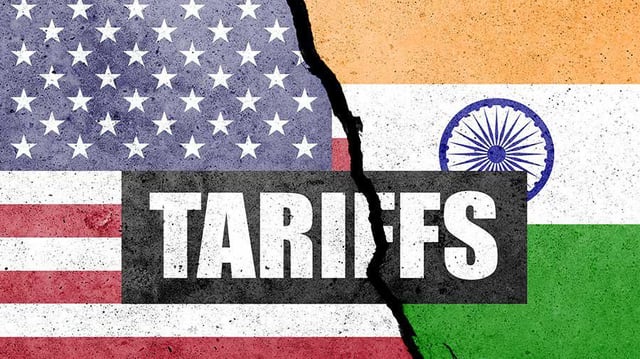
In a significant move that has rattled trade relations, India has imposed a 30% retaliatory tariff on pulses imported from the United States. This action comes amid escalating tensions between the two nations over various trade policies. The decision impacts a vital segment of India’s food market, where pulses are a staple diet and the U.S. serves as a crucial supplier.
Background on the Trade Dispute
This tariff imposition is a reactionary measure to the increased tariffs implemented by the U.S. on various Indian goods earlier this year. The origins of this dispute can be traced back to the U.S.’s decision to remove India from the Generalized System of Preferences (GSP) list, which had previously allowed Indian goods duty-free access to the American market. The alteration in trade privileges inevitably affected bilateral trade relations, prompting India to respond in kind.
India’s Ministry of Commerce stated that the tariffs are necessary to protect domestic farmers and markets from an influx of imported pulses that could potentially disrupt local pricing and industry standards. Pulses, including chickpeas, lentils, and peas, form a critical component of India’s agriculture and culinary sectors, feeding millions daily while supporting thousands of farmers.
Impact on U.S. Agriculture
The U.S., renowned for its mass agricultural production, views this tariff as a significant setback, particularly for pulse farmers who have been large-scale exporters to India. The American Farm Bureau has expressed concern that this measure could lead to a surplus in U.S. markets, driving prices down and affecting farmers’ profitability. Additionally, the fallout from this tariff could have a ripple effect across the agricultural industry, impacting everything from farming equipment to small-town economies reliant on agriculture.
Pulse associations in the U.S. have urged the government to engage India in discussions to find a mutually beneficial resolution. Industry spokespeople emphasize the importance of the Indian market and are advocating for diplomatic talks to ease these restrictions. The possibility of prolonged tariffs is worrisome for U.S. stakeholders, who fear loss of market share to other countries willing to comply with India’s terms.
Potential Political Ramifications
With both nations holding firm on their respective policies, the trade conflict has spilled over into the political arena. Trade experts suggest that these tariffs could be leveraged in broader geopolitical negotiations, involving everything from military cooperation to technology exchanges. While local producers face immediate effects, analysts foresee long-term consequences shaping future diplomatic ties between the two countries.
Politically, this escalation may also influence voter sentiment, especially among constituencies directly impacted by trade policies. In India, securing farmers’ interests remains a pivotal political agenda, while in the U.S., the administration faces rising pressure from agricultural lobbies demanding the restoration of more conducive trade terms.
Navigating Forward
The current situation poses a dilemma for trade negotiators on both sides. With global supply chains already strained, and multilateral trade agreements facing heightened scrutiny, balancing national economic interests with international cooperation is more complex than ever. The imposition of such significant tariffs reflects deeper issues in the global trade environment, with protectionism and tariff wars increasingly becoming part of the economic landscape.
The path to resolution seems anchored in dialogue and mutual concessions. Both governments have hinted at openings for negotiations, albeit with conditions to protect national interests. The forthcoming weeks and months will be critical as observers watch for shifts in policy, market responses, and the potential for either de-escalation or intensification of this trade dispute.
Amidst this uncertainty, businesses dealing in pulses are encouraged to diversify their market strategies, exploring alternative markets and suppliers to mitigate risks associated with trade disagreements. For consumers, particularly in India, fluctuations in pulse prices may induce short-term market volatility, affecting availability and consumer spending patterns.
As the situation evolves, stakeholders and governments alike will be keenly observing responses to these measures, with a hope for resolution that supports both national policies and the spirit of global trade cooperation.