 Karolina Sedlackova
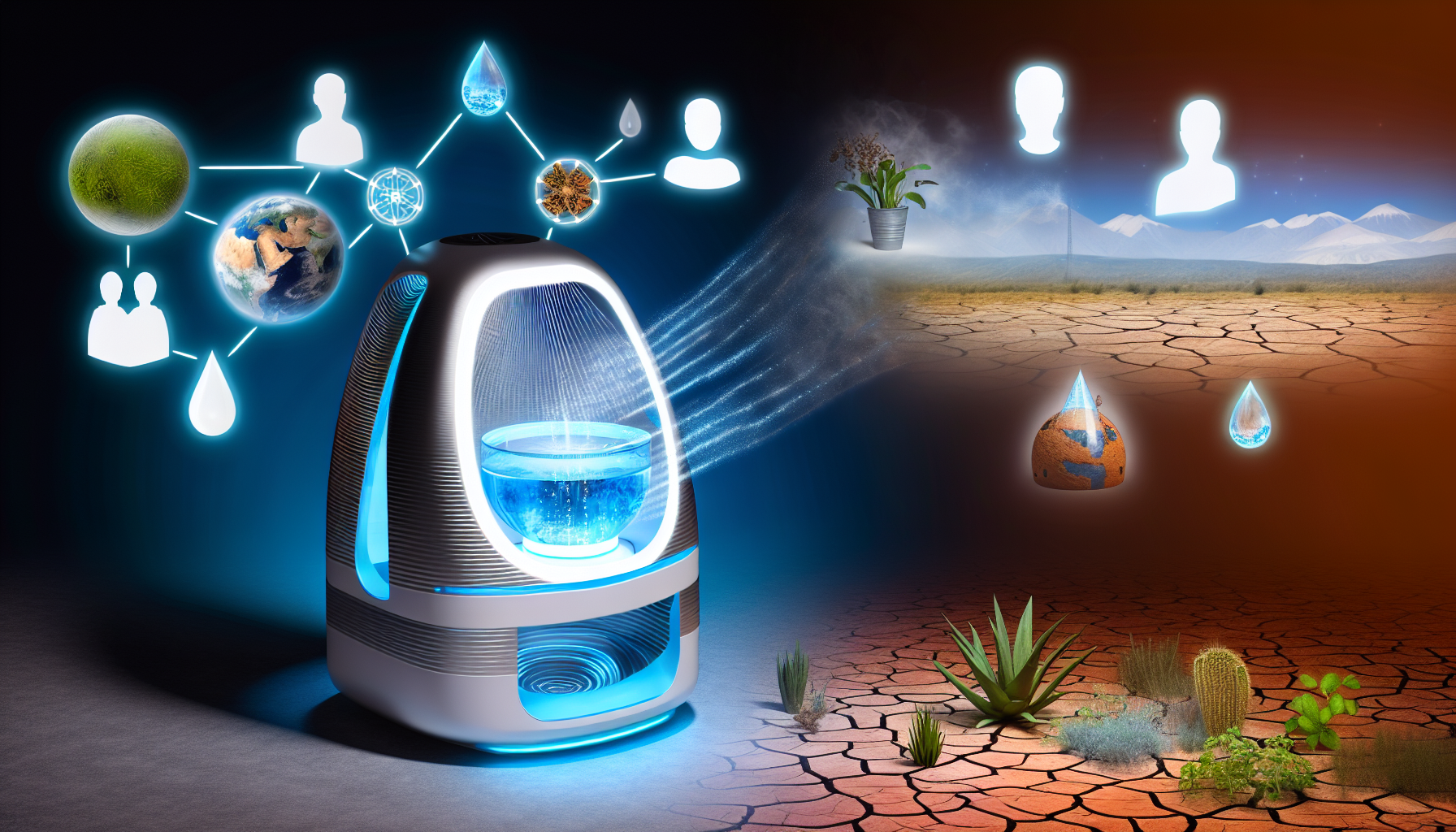
In an era where clean drinking water is becoming an increasingly scarce resource due to climate change and human activities, technological innovations that promise solutions are more crucial than ever. Imagine a world where accessing pure drinking water is as simple as harnessing what already exists in the air around us. A revolutionary device is making this idea a reality by converting humidity in the atmosphere into clean, drinkable water.
Understanding the Water Scarcity Challenge
Water scarcity is a global issue, affecting billions of people around the world. According to the United Nations, nearly 2.2 billion people lack access to safely managed drinking water services as of 2023. Droughts, pollution, and overuse are exacerbating the problem, and the need for sustainable solutions is urgent.
The Technology Behind the Device
The device operates on a simple yet effective principle: atmospheric water generation (AWG). AWG technology involves condensing moisture from the air, a technique akin to how dehumidifiers work. The device uses a specialized material that enhances its ability to absorb water molecules from the air, even in environments with low humidity levels.
Unlike traditional water gathering methods, which rely heavily on specific geographic or climatic conditions, this cutting-edge device can operate efficiently in both rural and urban settings. By extracting water from the atmosphere, it offers a decentralized solution that could revolutionize water accessibility.
Key Features of the Innovation
- Energy Efficiency: The device is designed to consume minimal energy, making it a cost-effective choice for communities that lack access to traditional energy sources.
- Portability: Lightweight and robust, this device can be easily transported and deployed in emergency situations, such as natural disasters.
- Sustainability: By leveraging renewable resources, this device minimizes its carbon footprint, contributing positively to environmental conservation efforts.
- Scalability: Its adaptable design allows for use on both small and large scales, from individual home applications to larger-scale community water projects.
Applications and Impact
The potential applications of this atmospheric water generator are extensive and diverse:
Addressing Needs in Remote Areas
Rural communities and isolated regions often suffer from a lack of reliable water sources. This device provides a practical solution, ensuring residents have access to clean water without the need for complex infrastructure.
Disaster Relief and Humanitarian Aid
In the aftermath of natural disasters, access to clean water is often a priority. Portable water generation devices can be rapidly deployed to support affected populations, significantly enhancing relief efforts.
Urban Water Supplies
Cities facing water shortages can integrate these devices into their existing water supply systems, helping to bridge the supply-demand gap. By decentralizing water resources, cities can better manage their reserves and reduce dependence on distant water sources.
Challenges and Future Prospects
While the technology shows great promise, there are challenges to widespread adoption that need to be addressed:
Cost and Investment
Initial production and development costs can be high, necessitating significant investment from both private companies and government entities. Strategies for reducing costs through technological advancements and economies of scale will prove pivotal.
Regulatory and Safety Standards
Ensuring the water produced meets health and safety standards is critical. Stringent regulatory frameworks will help ensure that the water extracted is not only safe for drinking but also sustainable over the long term.
Community Engagement and Education
Educating communities about the benefits and maintenance of such devices ensures better adoption rates. Initiatives that focus on integrating the technology with local practices and needs can promote lasting change.
The future of water accessibility may indeed lie above us in the air. As advances in atmospheric water generation continue, these devices could become a standard part of the global strategy to ensure everyone has access to this vital resource.
The potential for impact is enormous, from reducing the strain on existing water supplies to providing a lifeline in times of need. However, collaboration between innovators, regulators, and communities will be key to scaling these solutions effectively and sustainably.
For those interested in pioneering solutions to the global water crisis, understanding, supporting, and investing in technologies like atmospheric water generation devices could be a highly impactful venture. With continued research and development, this innovation could play a significant role in securing the planet’s water future.
As we look to the future, the hope is that such devices will become more mainstream, gradually transforming how we think about and access one of life’s most essential resources: clean water. With determination, investment, and guidance, these devices can become a cornerstone of sustainable living for communities worldwide.
Join the conversation about water sustainability and innovative technologies! What are your thoughts on the future of water access? Share your opinions in the comments below and spread awareness by sharing this article with others.