Karolina Sedlackova
In an impressive stride towards seamless connectivity, Apple has announced a new feature in its iOS 26 update that stands to revolutionize the way iPhone users manage their mobile subscriptions. The iOS 26 update, which was highly anticipated in the tech community, now includes a feature enabling easy eSIM transfers between iPhone and Android devices. This leap in technology heralds a new era for users frequently switching between iOS and Android platforms, offering a more cohesive and less cumbersome experience.
Understanding eSIM: A Brief Overview
eSIM, or embedded SIM, is a digital SIM that allows users to activate a mobile plan from their carrier without needing a physical SIM card. This innovation has been gaining traction in the tech world for its convenience and flexibility. By removing the need for a physical SIM card, users can easily switch between different mobile network carriers, thus making it a valuable asset for global travelers and those in areas with fluctuating network coverage.
The inception of eSIM technology marked a significant shift in how users manage their mobile connections, facilitating smoother transitions between providers. With eSIM, users can store multiple carrier plans on a single device, switching between them without the physical hassle of replacing SIM cards.
The Revolutionary Feature in iOS 26
The iOS 26 update emphasizes cross-platform compatibility, allowing iPhone users to transfer eSIM configurations directly to Android devices. This feature is poised to benefit users significantly as they shift between different operating ecosystems, making the process hassle-free.
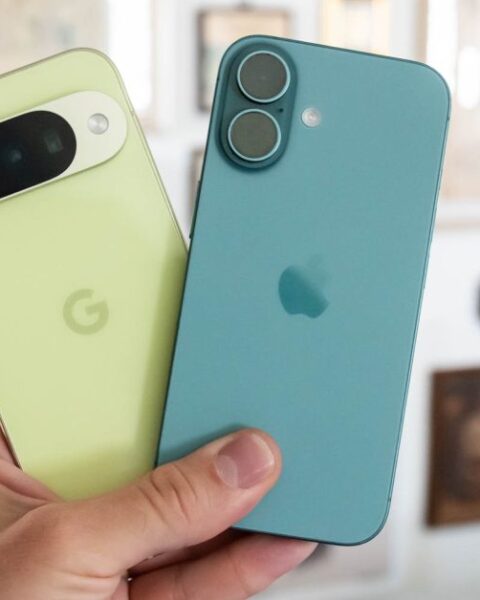
Apple has long maintained a reputation for its closed ecosystem; however, this move towards greater interoperability with Android shows a growing alignment with user demands for flexibility and convenience. The new feature offers a solution to many users’ headaches by simplifying the transfer process, thus facilitating quick switches without waiting for carrier intervention or handling multiple physical SIM cards.
How It Works: The Process of eSIM Transfer
The process of transferring eSIMs between iPhone and Android under the iOS 26 update is designed to be simple and intuitive. Here’s how it works:
- Initiate Transfer: Users can start the transfer process through the settings menu of their iPhone. Under the mobile settings, a new option to transfer eSIM to an Android device becomes available with the iOS 26 update.
- Device Detection: The iPhone will then detect nearby Android devices capable of receiving the eSIM configuration. Utilizing encrypted Bluetooth or Wi-Fi Direct ensures that the data transfer remains secure and confidential.
- Authenticate: Users will be prompted to authenticate the transfer using their Apple ID credentials, preserving the security of the transfer.
- Complete Setup: Once authenticated, the eSIM configuration transfers over, and users will be guided through the setup on their Android device, essentially making the entire transition smooth and seamless.
Implications for Users
This new feature holds significant implications, especially for those who regularly operate across both iOS and Android platforms. For business professionals, developers, and tech enthusiasts, this feature translates to less time spent in managing and setting up devices every time they switch networks.
Moreover, global travelers who may prefer Android-based devices in certain regions for coverage or functionality reasons now have an easier time accessing and managing their mobile plans without physical SIM card swaps. The convenience factor is undoubtedly a game-changer in the realm of mobile device usability.
The Future of eSIM and Cross-Platform Functionality
The introduction of seamless eSIM transfers is just the beginning of what could be a broader trend in the tech industry toward more integrated service offerings. As eSIM technology develops, more capabilities and compatibilities between varied networks and device ecosystems are expected to emerge, thus bolstering the overall utility and attractiveness of eSIM as a mobile network management solution.
Looking ahead, industry experts predict that such cross-platform functionalities could prompt further developments in user experience, spurring innovations that allow even more fluid transitions between different device brands and operating systems. The potential for enhanced user satisfaction and operational efficiency makes this an exciting development in the evolving landscape of digital connectivity.
Challenges and Considerations
Despite the positive outlook, several challenges remain. For instance, full adoption of eSIM capabilities requires that carriers worldwide support this technology as extensively as they do physical SIM cards. While strides have been made, some regions or carriers may lag, potentially slowing the mass global adoption of these seamless transfer capabilities.
Additionally, privacy and security remain paramount concerns. Transferring sensitive information between disparate operating systems necessitates robust security protocols to protect user data, a factor Apple and Android manufacturers continue to address with every software update.
Conclusion
The iOS 26 update’s introduction of easy eSIM transfers represents a notable advancement in mobile technology, reflecting a growing demand for flexibility and interoperability between major operating systems. This update not only simplifies life for users frequently operating on both iOS and Android but also sets a precedent for future cross-platform innovations.
As technology advances, the landscape of mobile connectivity continues to evolve. With companies like Apple prioritizing user-friendly features that enhance device cooperation and interactivity, users benefit from greater control, convenience, and customization in managing their mobile communication needs.
Are you excited about the possibilities this new feature introduces? Share your thoughts in the comments below, and let us know how you plan to make the most of this exciting update!