 Kristina Vankova
In an act of resilient defiance, protesters in Iran continue to challenge the government’s intensified efforts to suppress dissent. Waves of public demonstrations have swept across the country, despite heightened crackdowns from authorities aiming to stifle the growing civil unrest.
The Heart of the Protests
The ongoing protests, which originally erupted over social and economic grievances, have morphed into a broader movement advocating for increased personal freedoms and governmental transparency. Demonstrators have taken to the streets, rallying against what they perceive as systemic corruption and tyranny that constrict everyday life in the Islamic Republic.
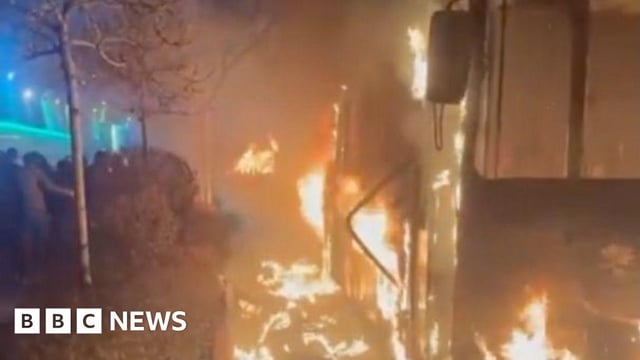
Recent images and videos circulating on social media platforms depict chaotic confrontations between determined protesters and security forces. These compelling visuals underscore the magnitude and intensity of the protests, as well as the government’s stringent response measures, which include the deployment of riot police and widespread arrests.
Governmental Measures and Public Response
The Iranian government’s response has been multifaceted, employing both traditional crowd-control methods and digital surveillance to curb the rising tide of protest. Despite these measures, demonstrators continue to mobilize, organized largely through encrypted messaging services and social media, which serve as vital tools for communication and coordination.
Authorities have implemented sweeping internet shutdowns in various regions to impede protestors’ ability to communicate and share real-time updates with the global community. Nonetheless, those involved in the protests have adapted by finding innovative methods to circumvent digital barriers, ensuring that their messages of dissent reach international audiences.
International Reactions and Global Implications
The international community closely monitors the unfolding situation in Iran, with global leaders expressing concern over the human rights implications of the government’s response. Statements from various human rights organizations have condemned the aggressive tactics used against peaceful demonstrators, calling for restraint and dialogue to address the underlying issues.
Moreover, the unrest in Iran holds broader implications for the geopolitical landscape in the region, potentially influencing economic stability and diplomatic relations. Observers speculate that the protests could lead to a reevaluation of international partnerships and alliances, as nations weigh their interests against their commitments to human rights.
As the situation in Iran continues to evolve, all eyes remain on how the government and protesters navigate the challenges ahead. The resilience of the Iranian people in expressing their demands for reform and the acceptance of their rights by the international community may indeed shape the nation’s future trajectory.