 Kristina Vankova
In a significant expression of public dissatisfaction, Iran has been engulfed in protests triggered by the national currency’s dramatic fall to an all-time low. The demonstrations underscored the growing discontent among Iranians as they grapple with the repercussions of economic instability on their daily lives. This monetary crisis has further intensified as the Tehran government struggles with multiple sanctions, compounding the fragile state of the country’s troubled economy.
Widespread Protests and Public Frustration
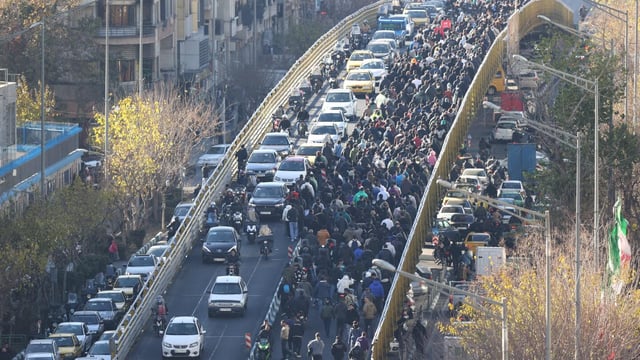
Protesters have taken to the streets in several major cities, including Tehran, Isfahan, and Shiraz, voicing their anger and frustration at the Iranian government’s handling of the economic crisis. The protests have been marked by chants against inflation and the government’s failure to address the economic challenges facing the nation. The declining value of the rial, which has plummeted to unprecedented levels, has significantly reduced the purchasing power of ordinary Iranians.
The demonstrators have expressed their grievances about the skyrocketing prices of essential goods and the overall deterioration of living standards. “We can no longer afford basic necessities,” one protester in Tehran was quoted as saying. “Our currency is worthless, and we are being driven to the edge.”
Contributing Factors to the Economic Downturn
The sharp decline of the rial is symptomatic of a broader economic malaise that has gripped Iran for years. One of the primary drivers behind this economic turmoil is the extensive sanctions imposed by the United States and other Western countries. These sanctions, primarily targeting Iran’s oil exports, have severely restricted the country’s revenue streams, leading to a shortage of hard currency and increased pressure on the local currency.
Furthermore, domestic mismanagement and economic missteps have exacerbated the situation. Experts point to the government’s failure to implement necessary economic reforms and the persistent issues of corruption and inefficiency within the administration. These factors have contributed to inflationary pressures and a general lack of investor confidence, further undermining Iran’s economic resilience.
Impact on Everyday Life
The economic difficulties have had a palpable impact on Iranian households. The cost of living has soared, with prices for food, fuel, and healthcare climbing steeply. As the rial’s value continues to fall, businesses struggle to import goods, leading to shortages and further price hikes. Many Iranians find themselves unable to afford essential items, causing widespread distress and concern about the future.
The situation is particularly dire for the working and middle classes, who bear the brunt of these economic hardships. With wages stagnant and savings eroded, many families are forced to make difficult choices about spending priorities, often at the expense of health and education.
Government Response and Future Prospects
In response to the escalating crisis, Iranian authorities have pledged to take action to stabilize the currency and rein in inflation. Officials have announced a series of measures aimed at curbing speculation in the foreign exchange market and introducing regulatory changes to support the economy.
However, these assurances have failed to convince a skeptical public, which demands more substantial reforms and accountability from the government. Critics argue that without addressing underlying structural issues and improving transparency, any short-term measures are unlikely to yield sustainable results.
Looking ahead, the path to economic recovery remains uncertain for Iran. While diplomatic efforts to negotiate some relief from sanctions could potentially ease the nation’s economic burden, achieving a lasting resolution will require comprehensive policy changes and greater international engagement.
The ongoing protests serve as a stark reminder of the discontent simmering within Iranian society, highlighting the urgent need for the government to prioritize economic stability and improve the living conditions of its citizens. As tensions remain high, the world watches closely to see how Iranian leaders will navigate these turbulent waters and address the grievances of their people.