 Kristina Vankova
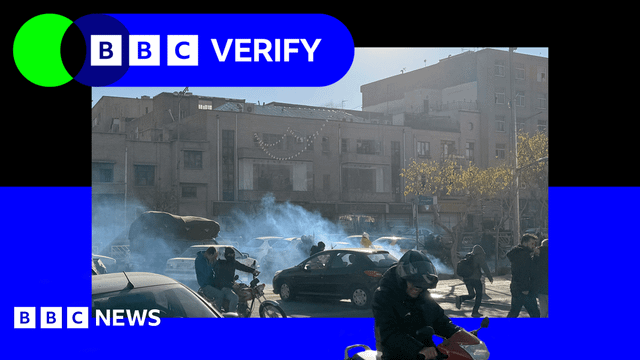
In recent weeks, a wave of public demonstrations has swept across numerous regions in Iran, marking one of the most widespread series of anti-government protests in the nation’s recent history. These demonstrations, sparked by a multitude of factors, highlight the mounting frustration among the Iranian populace towards both domestic policies and broader governance issues.
Underlying Causes of the Protests
The protests were initially triggered by grievances over economic hardships exacerbated by high inflation rates and unemployment. Many citizens express dissatisfaction with the government’s management of economic affairs, especially in the face of Western sanctions that have strained Iran’s economy. Additionally, political repression and a lack of personal freedoms have fueled public discontent.
Corruption and nepotism within the government have further kindled the flames of protest, as many citizens feel that opportunities for economic improvement are stifled by systemic inequities. This sentiment has been particularly pronounced among the youth, who make up a significant portion of the protesters.
Major Cities Become Epicenters
The protests have not been confined to one specific area; instead, they have spread across Tehran and other major cities including Mashhad, Isfahan, Shiraz, and Tabriz. In these urban centers, large crowds have taken to the streets, chanting slogans demanding change and reform. The demonstrations in Tehran have been notably significant given the city’s political importance and symbolic status.
Social media platforms and messaging apps have played a crucial role in organizing protests and disseminating information, even as authorities attempt to clamp down on these digital channels. Added to this media complexity is the global attention the protests have garnered, putting pressure on the Iranian government to address the issues raised by their citizens.
Government Response
The Iranian government’s response has been a mix of conciliatory gestures and repressive actions. While some officials have acknowledged the legitimate concerns of protesters, the overall approach has leaned heavily towards security crackdowns. Security forces have been deployed in various regions, resulting in clashes that have reportedly led to numerous arrests and injuries.
Despite these measures, the protests have not shown signs of abating. The resilience of the demonstrators underscores a deep-rooted desire for change. Many citizens have articulated demands for reforms that encompass greater political freedoms, improved economic conditions, and accountability in governance.
International Reactions
The international community has kept a watchful eye on the developments within Iran. Various countries and human rights organizations have expressed concern over the treatment of protesters and the potential for escalating violence. Calls for dialogue and restraint have come from several global leaders, emphasizing the need for a peaceful resolution to the unrest.
At the same time, some governments have shown interest in leveraging the situation to apply further pressure on the Iranian regime. The complex interplay of international diplomacy around these protests reflects the broader geopolitical tensions in the region.
- Economic hardship and inflation continue to drive public outrage.
- Corruption and nepotism are major focal points of criticism among protesters.
- Social media serves as a critical tool for mobilization despite government restrictions.
As the protests persist, the Iranian government’s challenge is to navigate these turbulent waters with a strategy that addresses both the immediate unrest and the underlying issues that have brought citizens to the streets. The outcome of these demonstrations could carry significant implications for Iran’s future political and economic landscape, as well as its standing in the international community.