 Kristina Vankova
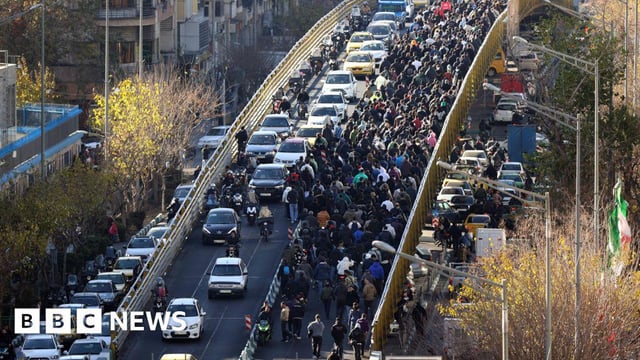
The streets of Iran erupted for a third consecutive day as citizens continued to express their deep dissatisfaction with the government’s handling of the economy. Across various cities, demonstrators gathered to mourn economic hardships, urging authorities to implement meaningful reforms. These protests, growing in size and intensity, point to a widespread frustration among the Iranian populace.
Backdrop of Economic Turbulence
The Iranian economy has been struggling under the weight of numerous challenges, including international sanctions, currency depreciation, and soaring inflation. These economic woes have left many Iranians struggling to afford basic necessities, prompting nationwide demonstrations. The protests signify a growing discontent with the regime’s inability to stabilize the economy and improve living conditions.
In recent months, the cost of living has surged dramatically, with prices of essential goods such as food and medicine climbing beyond the reach of the average citizen. The unemployment rate has also been a focal point of frustration, particularly among the youth, who find themselves bearing the brunt of the economic downturn.
A Chorus of Discontent
Protesters, a diverse mix of age groups and economic backgrounds, have been vocal in their demands for change. The chants heard across cities like Tehran, Isfahan, and Mashhad reflect a collective call for accountability and transparency from government officials. Demonstrators have taken to the streets, not only voicing their economic grievances but also challenging the intricate web of political decisions that have contributed to the current state of affairs.
Social media has played a pivotal role in mobilizing the masses, with platforms like Instagram and Twitter serving as tools for organizing and documenting the protests. Users have been sharing real-time updates, videos, and reports, providing the world with a window into the unfolding situation and drawing international attention to the plight of the Iranian people.
Government Response and Future Implications
In response to the demonstrations, Iranian authorities have made several attempts to quell the unrest. Security forces have been deployed to major protest sites, and efforts to restrict internet access have been reported in an attempt to limit communication and organization among protesters. Despite these measures, the determination of the demonstrators remains unshaken.
Political analysts suggest that the continued protests could trigger significant political shifts within the country. The Iranian government faces mounting pressure to address the economic crisis effectively and to restore public trust. However, the path toward reform is fraught with challenges, and the possibility of further unrest looms if the underlying issues are not adequately addressed.
As the situation unfolds, the international community watches closely, considering potential impacts on regional stability and global economic dynamics. The resilience and resolve of the Iranian populace underscore a critical juncture in the nation’s history, as it grapples with the dual challenges of economic survival and political transformation.