 Kristina Vankova
A decade has passed since Ireland took significant steps in recognizing the rights of transgender individuals, fundamentally altering the nation’s social landscape. The introduction of gender identity recognition laws not only marked a pivotal moment in Irish history but also served as a beacon of progressive values in Europe, reflecting a society’s evolving perspective on gender diversity.
A Landmark Legislation
In 2015, Ireland enacted the Gender Recognition Act, allowing transgender individuals to change their gender on official documents without the need for medical intervention or assessment. This historic legislation represented a monumental shift from previous requirements, which included medical diagnosis and proof of surgical transition. The act was applauded globally, as it prioritized the autonomy and dignity of trans individuals, fostering an environment where personal identity is respected above institutional scrutiny.
The law was not just a procedural change but a compassionate acknowledgment of the intrinsic rights of individuals to self-identify. This legal development was a result of tireless advocacy from grassroots organizations that highlighted the everyday challenges faced by the transgender community.
Impact on the Transgender Community
The law’s introduction had a profound impact on the lives of many in Ireland. Among those celebrating its passing was Lydia Foy, a prominent activist whose legal battle against the state had highlighted the urgent need for reform. Her persistence over two decades inspired legislative change and underscored the law’s significance not just as legal text but as a lifeline for those who had been marginalized.
For individuals like Aoife Martin, a trans woman in Dublin, the ability to legally align her documents with her gender identity did more than just validate her reality—it provided her the freedom to live authentically. In public and private spaces, she could assert her true self, reducing the anxiety and stigma of potential mismatches between her presentation and her documentation.
The Broader Societal Shift
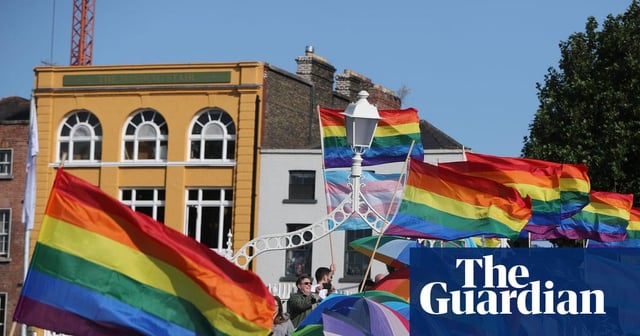
Since the enactment of the Gender Recognition Act, Ireland has witnessed a broader cultural shift in attitudes towards gender diversity. Educational programs and public campaigns have contributed to this change, encouraging a more inclusive society. Prominent figures and politicians have come forward to support transgender rights, amplifying voices that were previously marginalized.
The Irish government’s commitment to equality has also been reflected in its continuous efforts to review and improve the legislation, ensuring it meets the evolving needs of the transgender community. Consultations with advocacy groups have been instrumental in these modifications, demonstrating a collaborative approach to gender rights.
However, while progress has been made, challenges remain. Instances of discrimination and social stigma persist, highlighting the necessity for ongoing education and advocacy work. Support services for the transgender community are essential, requiring both government backing and public awareness to address the nuanced issues faced by transgender individuals.
As Ireland reflects on a decade of significant legislative achievements, it continues to serve as a model for other countries considering similar reforms. The journey towards full equality is ongoing, but Ireland’s steps provide hope and a framework for a more inclusive future. Today, the country stands as a testament to what can be achieved through determination, empathy, and a commitment to human rights.