 Kristina Vankova
In an escalating conflict that continues to draw global attention, recent Israeli military actions in Gaza have allegedly resulted in casualties within designated humanitarian zones, according to statements made by Hamas. As the complex geopolitical landscape of the Middle East faces yet another test, this development has sparked intense debate over the ethical and strategic implications of military operations intersecting with civilian sanctuaries.
Claims of Strikes in Humanitarian Zones
Hamas, the Islamic political and militant group governing Gaza, has accused Israeli Defense Forces (IDF) of launching airstrikes that impacted areas classified as humanitarian zones. According to Hamas officials, these areas were supposedly designated for civilian protection and were home to various non-combatant populations including women and children.
Israeli military officials, however, have reiterated their commitment to targeting only sites utilized by Hamas militants for the purpose of planning and executing attacks against Israel. The Israeli Defense Forces have often justified their military actions in Gaza as necessary self-defense, citing rocket fire and other offensive operations conducted by Hamas.
The claims regarding strikes in humanitarian zones are currently unverified by independent sources. However, these allegations have intensified calls for international oversight and greater transparency in military engagements that affect civilian populations.
The Humanitarian Impact
The humanitarian footprint in Gaza has been significantly affected by ongoing conflict, laying the ground for a multifaceted human rights dialogue. Reports from various international agencies indicate that Gaza’s infrastructure, including schools, hospitals, and sanitation facilities, have increasingly become collateral damage in the midst of the conflict between Israeli forces and Hamas.
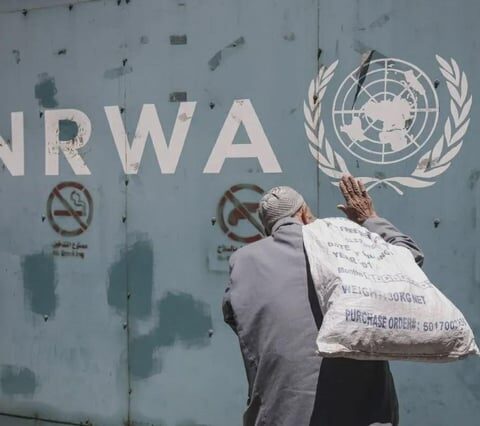
Civilians living in Gaza continue to encounter harsh living conditions, exacerbated by blockades and restricted access to essential supplies. The United Nations and other human rights organizations have frequently highlighted the dire situation faced by these civilians, pressing for resolutions that prioritize humanitarian over military objectives.
Moreover, the alleged strikes on humanitarian zones further strain the limited resources available for relief efforts, potentially deepening the crisis within Gaza. Humanitarian workers are reportedly being forced to navigate increasingly unsafe environments, creating additional challenges to delivering needed aid.
International Reactions
The reactions from the international community have varied in response to the latest developments. Countries with vested interests in the Middle East peace process have expressed concern over the potential violation of international humanitarian law and the implications it could have on future peace negotiations.
The European Union, in particular, has reiterated calls for an immediate ceasefire and urged both parties to act with restraint to prevent further escalation. Similarly, the United States, while recognizing Israel’s right to self-defense, has encouraged dialogue and stressed the importance of protecting civilian lives.
Several human rights organizations have joined the chorus of voices urging an independent investigation into the claims of strikes within humanitarian zones. They argue that only through accountability and transparency can long-term peace be achieved in regions affected by protracted conflict.
The Path Forward
The path to peace in Gaza—and the greater Israeli-Palestinian conflict—remains convoluted and fraught with historical grievances. The recent allegations of strikes in humanitarian areas add another layer of complexity to an already fraught process. As stakeholders analyze the veracity of these claims, the need for constructive dialogue is more apparent than ever.
Peace advocates suggest that a renewed focus on diplomatic solutions could pave the way toward a lasting resolution. Efforts to revitalize the Israeli-Palestinian peace talks, backed by credible commitments from both sides and mediated by impartial international bodies, could provide a ray of hope.
Furthermore, enhancing direct communication channels between Israeli authorities and Palestinian leadership may help in mitigating misunderstandings and foster conditions for a less adversarial approach in addressing security concerns.
Conclusion
The ongoing conflict in Gaza is a microcosm of wider regional tensions, underlined by complex religious, political, and historical narratives. The recent accusations involving Israeli military operations affecting humanitarian spaces present grave ethical and logistical challenges for all involved.
As the world watches, the choices made by both Israeli and Palestinian leaders in the coming weeks could either exacerbate existing tensions or move them toward a potential reconciliation. For now, the well-being of countless civilians caught in the crossfire remains uncertain, further underscoring the urgency for targeted international diplomatic engagement.
Addressing the humanitarian crisis while ensuring security for all parties involved is a delicate balance that requires meticulous attention and cooperative efforts from the international community. Only then can lasting peace and stability in the region truly be pursued.