 Kristina Vankova
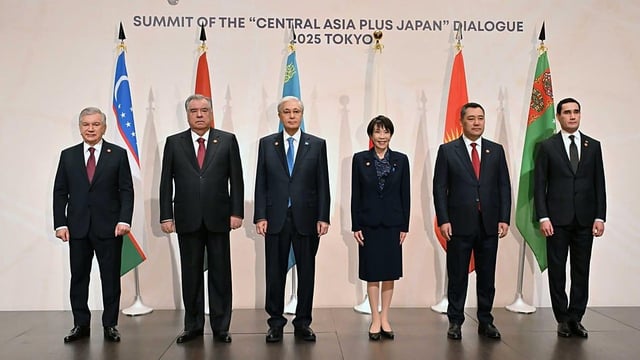
In a strategic move poised to bolster diplomatic ties and economic collaboration, Japan has embarked on a significant partnership with the five nations of Central Asia. This ambitious initiative marks a new chapter in Japan’s foreign policy and economic outreach, emphasizing mutual benefits and shared growth opportunities.
Strategic Economic Partnership
Japan has long been seeking to establish a stronger foothold in the historically rich and strategically vital region of Central Asia. By partnering with Kazakhstan, Kyrgyzstan, Tajikistan, Turkmenistan, and Uzbekistan, Japan aims to enhance economic ties across various sectors. This alliance is supported by an extensive $18 billion investment, demonstrating a robust commitment to long-term regional development.
The partnership focuses on a wide array of collaborative projects. It spans energy, infrastructure, technology, and education. One of the standout elements of this initiative is Japan’s pledge to support sustainable development in Central Asia, aligning with global efforts to combat climate change and promote sustainable growth.
The Role of Energy and Infrastructure
The energy sector is a focal point of this partnership, as Central Asia is rich in natural resources, particularly oil and gas. Japan’s technological expertise and investment could significantly enhance the efficiency and sustainability of resource extraction and energy generation in these countries. Moreover, Japan’s involvement could facilitate the diversification of Central Asian energy exports, reducing the region’s dependence on traditional markets.
Infrastructure development is another crucial component, with plans to improve transportation and communication networks across Central Asia. This promises not only to boost local economies but also to improve connectivity between European and Asian markets, which is vital for fostering international trade relations.
Technological and Educational Collaboration
The partnership also places a strong emphasis on technological innovation and education. Collaborative ventures in these areas aim to enhance digital infrastructure in Central Asia, promote the growth of tech startups, and provide educational opportunities for young professionals. By investing in human capital development, Japan is helping to equip the region with the tools necessary for future economic resilience and growth.
Scholarship programs and educational exchanges are set to increase, fostering cultural exchange and understanding. Such initiatives are expected to build a foundation of goodwill and collaboration that transcends the immediate financial investments.
Regional Stability and Geopolitical Implications
While the economic benefits are clear, this partnership carries significant geopolitical implications. Central Asia is a region of strategic importance, with various powers vying for influence, including China and Russia. Japan’s proactive engagement offers an alternative partnership model focused on mutual benefits without coercive pressures.
This initiative also reflects Japan’s broader strategy to diversify its global partnerships and reduce dependence on traditional trade routes and partners. By establishing a stronger presence in Central Asia, Japan not only enhances its economic security but also contributes to regional stability.
- Reduction in regional dependency on traditional markets
- Promotion of sustainable development practices
- Improvement of regional connectivity through infrastructure
- Enhancement of human capital through educational initiatives
As Japan and Central Asia forge this promising path forward, the potential rewards extend beyond the immediate economic and strategic gains. This partnership promises to cultivate long-lasting relations characterized by respect, cooperation, and shared prosperity, ultimately contributing to a more interconnected and stable global community.