 Kristina Vankova
Japan is poised to reignite its nuclear energy ambitions by restarting the world’s largest nuclear power station. After a dormancy of 15 years, the move marks a significant step in Japan’s energy policy, which seeks to balance the nation’s economic needs with environmental concerns and safety considerations. The facility in question, the Kashiwazaki-Kariwa Nuclear Power Plant, has been a focal point of debate since its shutdown, following a series of natural and man-made setbacks that have shaped public opinion on nuclear power.
The Background of Kashiwazaki-Kariwa
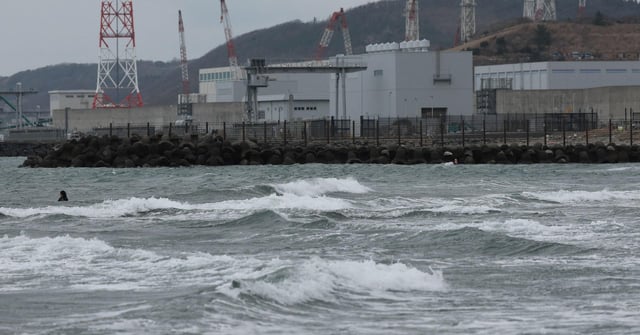
The Kashiwazaki-Kariwa facility, managed by Tokyo Electric Power Company (TEPCO), holds the title of the largest nuclear power station globally in terms of output capacity. Situated in the Niigata Prefecture on Japan’s west coast, the plant’s seven reactors previously generated approximately 8,212 megawatts of electricity. The plant’s vast output underscores its strategic importance in providing a stable energy supply to Japan’s highly industrialized economy.
However, the plant’s operation was halted following the 2007 Chuetsu Offshore Earthquake, which caused substantial damage to its infrastructure. The subsequent Fukushima Daiichi nuclear disaster in 2011 further heightened public fears associated with nuclear energy, resulting in widespread plant closures across the country as safety protocols were tightened.
Strategic Importance Amidst Energy Challenges
Japan’s decision to revive the Kashiwazaki-Kariwa plant is intricately tied to the country’s ongoing energy challenges. With limited domestic energy resources, Japan has long relied on imported fossil fuels, which are subject to volatile global markets. The move towards restarting nuclear facilities is seen as a strategic pivot to reduce energy costs and enhance Japan’s energy independence.
The decision comes amidst growing pressures to address climate change by reducing carbon emissions. As a low-carbon energy source, nuclear power offers a path to meet international climate commitments while ensuring energy security. Thus, the revival of Kashiwazaki-Kariwa aligns with Japan’s broader agenda of achieving a balanced energy mix that incorporates renewable and nuclear energy alongside traditional fossil fuels.
Public Sentiment and Safety Concerns
Despite its potential benefits, the reopening of the Kashiwazaki-Kariwa plant faces substantial public scrutiny. The memories of past nuclear disasters linger, with communities near nuclear facilities expressing deep concerns about safety and disaster preparedness. Public opinion in Japan remains divided, with many advocating for a gradual transition to renewable energy sources to mitigate risks associated with nuclear power.
TEPCO, in response, has committed to implementing the highest safety standards, incorporating lessons learned from past incidents. The company has also engaged in community outreach programs to rebuild trust and confidence among local residents. These efforts are crucial in overcoming the skepticism that surrounds nuclear energy in Japan and ensuring a smooth transition as the plant resumes operations.
The Japanese government, meanwhile, has strengthened regulatory oversight, establishing stringent safety protocols to ensure the safe operation of nuclear facilities. Enhanced emergency response measures and continuous monitoring have become integral components of Japan’s nuclear safety framework. These developments aim to reassure the public that safety remains a paramount concern as the country navigates its energy future.
As Japan prepares to reactivate the world’s largest nuclear facility, the move represents a critical juncture in the nation’s energy policy journey. The stakes are high, and success will depend on balancing energy needs with environmental stewardship and public safety expectations, setting a precedent for future energy decisions in the face of complex global challenges.