 Kristina Vankova
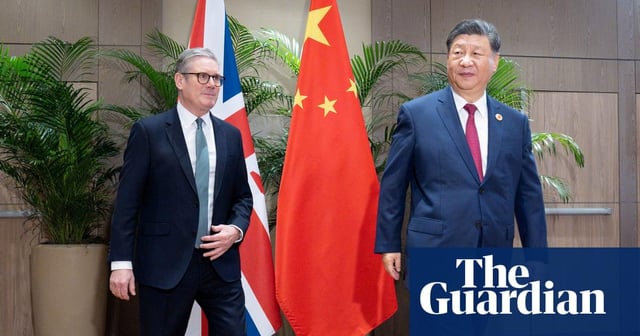
In a significant diplomatic move, Keir Starmer is set to visit China at the helm of a British business delegation aimed at enhancing trade ties and fostering mutual economic interests. This strategic engagement underscores the ongoing efforts to strengthen the UK-China relationship, particularly in the realm of commerce, amidst a global backdrop of shifting alliances and economic turbulence.
Strategic Diplomatic Engagement
Starmer’s visit represents a proactive step by the United Kingdom to engage with China, a nation poised as a dominant player on the global economic stage. The key focus of this delegation is to facilitate dialogue between British businesses and their Chinese counterparts, potentially opening doors to lucrative opportunities across various sectors. Enhanced trade relations with China could provide a much-needed boost to the UK economy, particularly post-Brexit.
Enhancing Trade Relations
The discussions during the visit are expected to explore avenues for collaboration across multiple sectors including technology, manufacturing, and renewable energy. By positioning the UK as a valuable trading partner, the delegation aims to capitalize on China’s expansive market and its advancements in innovation. The potential to amplify bilateral trade is significant, with both nations standing to gain from improved market access and the exchange of goods and services.
In recent years, UK exports to China have surged, making it the UK’s third-largest export market outside the European Union. This visit will seek to further solidify that relationship, emphasizing sustainable growth and long-term economic partnerships.
Challenges and Opportunities
However, navigating the complexities of trade with China is not without its challenges. Political dynamics, regulatory landscapes, and competition from other global players present significant hurdles. Starmer’s efforts will likely need to address these intricacies, ensuring that the UK’s interests are safeguarded while nurturing a cooperative spirit with Chinese counterparts.
Moreover, concerns about human rights and adherence to international trade norms are anticipated to be part of the discussions. Balancing economic objectives with ethical considerations remains a key component of diplomatic negotiations, requiring careful navigation to maintain public and governmental support.
Building Economic Bridges
This visit represents not just a quest for economic gain but also an opportunity to reinforce diplomatic ties with one of the world’s most influential nations. By fostering understanding and collaboration, both countries can work towards shared goals such as environmental sustainability and technological advancement.
The delegation’s composition will include members from various sectors, reflecting the diverse opportunities available for bilateral cooperation. Their interactions with Chinese counterparts are expected to yield insights into emerging market trends and innovations, enabling UK businesses to stay competitive on a global scale.
A Forward-Looking Approach
Ultimately, Starmer’s visit to China symbolizes a forward-looking approach to diplomacy and international business. It highlights the importance of fostering global connections in an increasingly interconnected world, where strategic partnerships can drive economic growth and stability.
This engagement could serve as a blueprint for future diplomacy and trade initiatives, setting the stage for the UK to enhance its global standing through robust economic strategies and open dialogues. As the delegation prepares to embark on this pivotal journey, the outcomes of their discussions will be closely watched on the international arena, with potential implications for global trade and diplomacy.
The visit is a testament to the UK’s commitment to engaging with China in a constructive manner, laying the groundwork for a partnership that promises mutual benefits in the years to come.