 Kristina Vankova
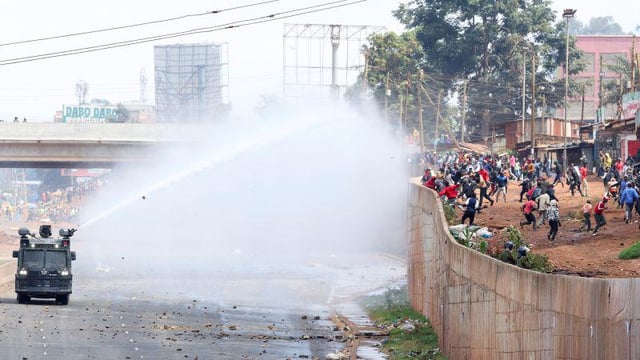
Kenya is currently grappling with a significant wave of unrest that has resulted in tragic casualties and a substantial number of detentions. Over the recent period, violent clashes have led to the death of at least 31 individuals. This turmoil is intertwined with a series of protests and demonstrations, highlighting the broader socio-political tensions within the nation.
The Outbreak of Violence
The recent turmoil in Kenya erupted amidst a backdrop of political instability and public dissatisfaction. The root causes of the violence can be traced to pervasive grievances over government policies, economic hardships, and perceived corruption. The protests, which began as a peaceful expression of dissent, quickly escalated into chaos as confrontations between demonstrators and security forces turned deadly.
Government Response and Arrests
In response to the escalating violence, the Kenyan government has implemented stringent measures in an attempt to restore order. This crackdown has resulted in hundreds of arrests across the country. Authorities have faced criticism for what some describe as heavy-handed tactics in dealing with protestors. Human rights groups have expressed concern over potential abuses and the suppression of basic freedoms.
International Reactions and Concerns
The unfolding situation in Kenya has elicited a range of international reactions. Various global leaders and organizations have called for restraint and peaceful dialogue. There is growing anxiety that the situation could deteriorate further if immediate measures are not taken to address the underlying issues fueling the unrest.
Impact on the Economy
The ongoing violence and instability are taking a toll on Kenya’s economy. Key sectors such as tourism and trade are particularly affected, with potential long-term repercussions. Investors are wary, and the nation’s economic growth prospects are at risk of being undermined amidst the continued unrest.
Looking Ahead
As Kenya navigates this turbulent period, the focus now turns to finding enduring solutions to the myriad challenges facing the nation. Dialogue between the government and various stakeholders, including opposition groups, civil society, and the international community, is crucial to fostering a climate of understanding and cooperation. Achieving stability and prosperity requires addressing the socio-economic and political roots of discontent.
Despite the current adversity, there is hope that the situation can be resolved peacefully. The resilience of the Kenyan people, coupled with constructive engagement from international partners, holds the key to overcoming the crisis and paving the way for a stable and prosperous future.