 Kristina Vankova
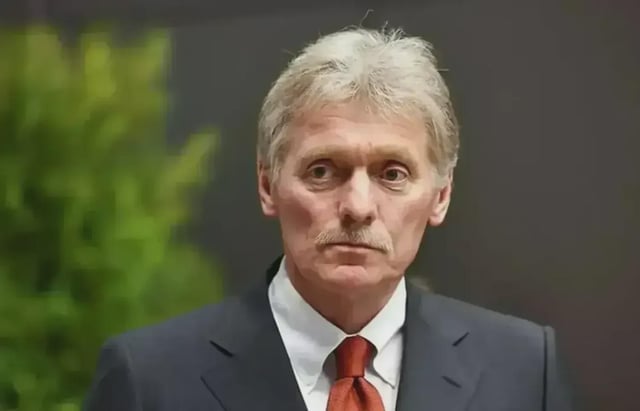
In a recent development that has raised eyebrows across the globe, Kremlin spokesperson Dmitry Peskov refrained from providing any evidence regarding the alleged unmanned aerial vehicle (UAV) incident near President Vladimir Putin’s residence. The claim has generated widespread curiosity and debate, given the heightened security concerns surrounding any drone activity near the Russian leader’s enclave.
The Incident and Official Response
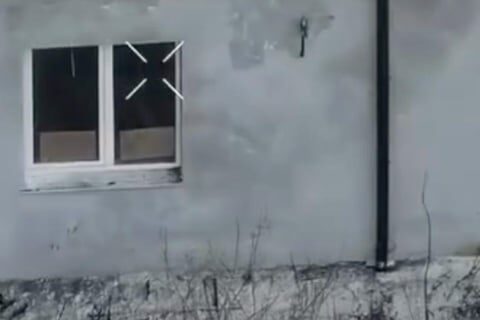
The alleged drone sighting reportedly occurred last week, with initial reports suggesting a small UAV was detected flying close to Putin’s residence. The Kremlin’s response has been characteristically tight-lipped, offering minimal information on the event. During a press briefing, Peskov was questioned about the incident but dismissed requests for evidence, urging the media and the public to trust the government’s account.
“The security systems are continuously active and sensitive. We have the situation under control,” Peskov stated, underscoring the government’s position without divulging further details about the UAV in question or the measures taken in response.
Security Concerns and Speculations
Drone incidents near high-security zones like the Kremlin have intensified global worries about the increasing use of UAVs for surveillance and potential sabotage. The revelations have also sparked a wave of speculation among defense analysts and international relations experts about the implications of such breaches.
Impact on International Relations
- The incident highlights vulnerabilities in the security apparatus of world leaders, prompting calls for enhanced protective measures.
- Russia’s reluctance to share evidence could strain its relationships with other nations concerned about security transparency.
- The development poses questions about the nature and origin of the drone, with speculations ranging from espionage attempts by foreign entities to domestic threats.
Peskov’s appeal for trust comes at a time when Russia’s international interactions are under microscopic scrutiny, and skepticism towards its internal security narratives remains a significant concern among other global powers.
Technological Challenges and Advancements
Drones have increasingly become staples of modern surveillance, offering both commercial benefits and potential threats to national security. The growing capability of UAVs to bypass complex security systems presents a challenge for security agencies worldwide, including Russia.
Current Measures and Future Strategies
- Russia has been investing in anti-drone technology, developing radar systems capable of detecting UAVs in restricted areas.
- There is an ongoing discourse on creating an international framework to regulate drone usage and prevent unlawful use in sensitive areas.
- Cooperation between governments and private drone manufacturers is essential to develop software that can identify and neutralize potential threats effectively.
As the global drone landscape evolves, nations are pressed to innovate and implement solutions to counterbalance the risks associated with unmanned surveillance.
The ambiguity surrounding the Kremlin’s drone incident signifies the complex intersection of security, technology, and diplomacy faced by governments today. Conversations around drone use, coupled with increased transparency, are crucial in formulating effective security strategies to protect world leaders and critical infrastructures.