


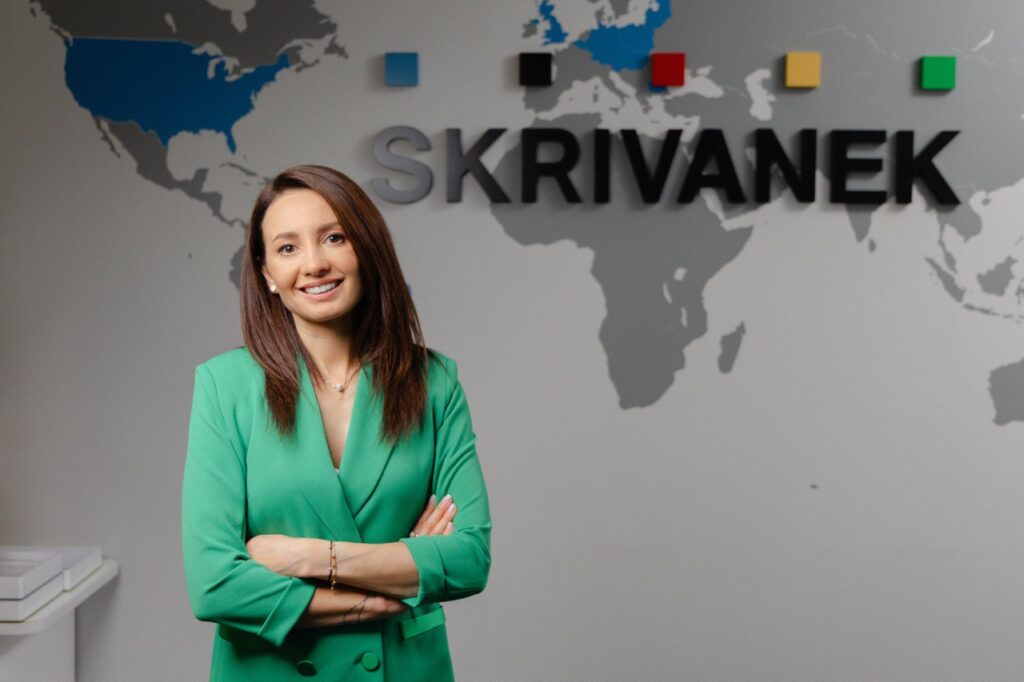
Leadership is more than setting direction; it’s about creating the conditions for others to thrive. At Skrivanek, Kristina Šuškevič has done just that for over 16 years. Her leadership approach is both strategic and deeply human, blending performance-driven goals with a strong emphasis on personal growth, team synergy, and meaningful impact.


In this candid conversation, Kristina opens up about what it takes to build a successful team, how to keep motivation high during crunch times, and why empathy and clarity matter more than ever in today’s workplace. She reflects on her biggest lessons, shares her go-to leadership strategies, and reveals what fuels her enduring passion for international business and linguistic adaptation.
Building Teams That Thrive. What Defines the Right Fit?
In any business, success starts with people, and the strength of a team can make or break long-term growth. For Kristina, team-building isn’t just about filling roles; it’s about crafting an environment where collaboration feels natural, skills complement each other, and curiosity drives innovation. With over 16 years of leadership at Skrivanek, she has honed a people-first approach that balances culture, capability, and continuous development.
So what does she look for when assembling a high-performing team? Kristina outlines the three core qualities essential to strengthen operations and nurture a resilient, future-ready culture.
What do you look for when building your team?
Over the years of leading teams, a lot has changed in management tactics and rules. But through all the shifts and new trends, I’ve consistently found three pillars to be critical when building a strong, successful team: shared values, complementary skills, and a genuine thirst for growth.
First and foremost, I prioritize shared values. A new team member needs to align with the team’s overall energy and core beliefs. It’s about whether their values resonate with our team’s approach to work, collaboration, and problem-solving.
I believe that good chemistry truly matters. If there’s a disconnect on a personal or value level, then genuine collaboration suffers, and that inevitably negatively impacts results. This doesn’t mean everyone has to be the same, but there needs to be a fundamental harmony in what drives us and how we approach challenges.
Secondly, I make sure each person brings complementary skills to the table. As I mentioned before, a team shouldn’t be made up of identical individuals. We need diversity in strengths and competencies. For example, some might naturally thrive in highly creative projects, brainstorming innovative solutions, while others excel in more technical areas, focusing on precision, data, and execution. This kind of balance makes the team more resilient and adaptable. It also fosters natural knowledge sharing, as team members can learn from each other’s unique perspectives and expertise, elevating the collective skill set.

Finally, and perhaps most important, I look for individuals who possess a genuine thirst for growth. That means people who are curious, eager to learn, and open to exploring fresh solutions are the perfect match for my team.
In today’s fast-paced world, personal and professional growth isn’t just a bonus – it’s a part of the job description. I seek out people who see challenges as opportunities to expand their capabilities and those who are proactive in seeking out new knowledge and adapting to change.
For me, building a great team is more than just checking off boxes on a resume. It’s about creating a dynamic environment where individuals with aligned values and diverse skills are constantly pushing themselves and each other to learn, adapt, and achieve remarkable results.

How to Keep Teams Energized Before Big Deadlines
As project timelines tighten and expectations rise, even the strongest teams can feel the weight of looming deadlines. For leaders, this is a pivotal moment—not only to maintain focus, but to boost morale and bring out the best in every team member. Kristina, with her experience leading high-performing teams at Skrivanek, knows that motivation isn’t about last-minute pressure—it’s about clarity, structure, and celebrating progress.
Here, she shares three key strategies she uses to energize and align her team in the critical moments before a major milestone—turning deadlines into opportunities for shared purpose and collective success.
What are 3 ways you motivate your team before a major deadline or event?
To truly run the team and ensure we hit our goals before a major deadline or event, I lean on these strategies that have proven effective over time.
I always clarify the “why”. It’s easy for teams to get lost in the day-to-day tasks, forgetting the ultimate purpose of their work. Before big deadlines, I clearly explain the main goal and how our work makes a difference. This means showing how each person’s efforts connect to the bigger picture, like how a project helps our clients, makes the company grow, or even benefits them. When people know why their work matters, it becomes more meaningful. It changes from just a task into a shared mission, making the team feel more committed and motivated.
I believe in the power of breaking down the challenge. Large deadlines or complex events can feel overwhelming, leading to stress rather than productivity. My approach is to help the team deconstruct big tasks into smaller, more manageable pieces. We define clear sub-goals and milestones, creating a roadmap that feels achievable. Instead of feeling crushed by the weight of the entire project, they can focus on conquering one segment at a time, building confidence with each completed step. This also helps us identify our potential blockers earlier and use our resources better.
Another essential part of the process is acknowledging and recognizing progress along the way, not only at the finish line. That is why my team always celebrates mini-wins. Even small achievements, like completing a tough phase of a project or hitting an internal benchmark, deserve recognition. It helps reinforce positive behavior and shows appreciation for the effort. That recognition fuels momentum, boosts morale, and keeps motivation high, especially during intense periods. Whether it’s a quick shout-out, a team lunch, or a small token of appreciation, these regular celebrations remind everyone that their hard work is valued and that we’re moving forward together.

Staying Steady Under Pressure
High-pressure periods are inevitable in any ambitious organization—but how a team navigates them is what separates survival from standout performance. During such times, focus can easily fracture under stress, competing demands, or ambiguity. That’s where strong leadership becomes essential.
Kristina has guided her teams through countless critical moments at Skrivanek, developing a clear and empathetic approach to maintaining focus when the stakes are high. In this part of the interview, she shares the practical tactics and mindset shifts that help her team stay aligned, adaptable, and resilient—no matter how intense the challenge.
How do you keep the team focused during high-pressure periods?
During high-pressure periods, keeping the team focused is crucial, and it requires a deliberate, multi-faceted approach. And with years of experience, this gets easier, and I now have a set of strategies that help me with it.
When the pressure is high, it’s easy for teams to get distracted by minor issues or less critical tasks. My role is to re-center on priorities, cut through that noise, and ensure everyone knows exactly what matters most right now. We explicitly define the core objectives and the few actions that will truly “move the needle”. This means we have to be comfortable saying “no” or “not now” to anything that doesn’t directly help us reach our main goal. This strong focus stops my team from getting burned out by trying to do too many things at once, and it makes sure our energy goes exactly where it’s needed most.
Second, I tighten communication loops. Long, drawn-out meetings become counterproductive during high-pressure times. Instead, we shift to short, frequent, and highly focused check-ins. The goal is clarity and responsiveness. By keeping information flowing quickly and clearly, we make sure everyone is on the same page. This helps us fix problems right away and make fast decisions. This keeps things running smoothly and minimizes delays caused by miscommunication or missing information.
Third, it’s essential to acknowledge the stress. Ignoring the pressure and anxiety within the team only makes it worse because it can lead to unspoken frustrations and isolation. I actively normalize these feelings, creating an open space where team members can voice their anxieties and challenges. By doing so, I make sure no one feels alone in their struggle. This empathy and transparency help us to build a stronger, more supportive team environment.
When pressure spikes, I’m always ready to adjust the game plan. I am not afraid to pivot, reallocate tasks, or even rethink parts of the process if something isn’t working as efficiently as it should. This flexibility is important for preserving focus. It might mean shifting responsibilities to leverage individual strengths better, streamlining a step that’s causing delays, or bringing in additional support where needed.
I build a narrative around these high-pressure periods. I frame them not just as tough times, but as defining moments – part of our team’s “origin story”. This is where we show our true resilience, creativity, and commitment. By creating this shared story, I help the team see that these challenges are opportunities to earn our reputation and strengthen our bonds. This perspective transforms stress into a collective challenge to be conquered, instilling a sense of shared purpose and pride in our collective achievements.

The Real Drivers of Performance
Striking the right balance in performance management is one of the most delicate—and defining—parts of leadership. Do you motivate with rewards or correct with consequences? And what actually inspires lasting impact?
For Kristina, the answer lies not in rigid systems but in a thoughtful blend of clarity, recognition, and accountability. Drawing from years of experience leading diverse teams, she shares her perspective on why positive reinforcement consistently outperforms punitive tactics—and how creating a culture of trust, feedback, and growth can transform the way teams perform.
In your experience, what works better for performance management – positive reinforcement (bonuses) or penalties?
In my experience, positive reinforcement tends to be far more effective than penalties, especially when it’s supported by clear expectations and a culture of trust. People thrive when they feel recognized, valued, and connected to a meaningful purpose. While fear-based tactics may produce short-term compliance, they rarely promote long-term engagement or excellence.
That said, accountability is still essential. When someone consistently fails to meet expectations despite support and clear feedback, there need to be consequences. Not as punishment, but as a way to uphold the team’s standards.
Performance management, at its core, isn’t just about rewards or penalties. It’s about creating clarity, providing timely and constructive feedback, and cultivating an environment where people feel safe to grow and challenged to improve. Bonuses and recognition can be powerful motivators, but only when they are timely, meaningful, and tied to individual or team achievements, not generic, once-a-year gestures that feel disconnected from everyday effort.
Penalties may prevent critical mistakes or reinforce boundaries, but they don’t inspire people to go above and beyond. The biggest motivator, in my opinion, is feeling seen, supported, and challenged to grow. That’s what drives performance.
Sustainable performance comes from within, it’s nurtured by leadership that recognizes effort, supports development, and holds people to high standards while helping them succeed.

The Power of Not Knowing
Leadership is often idealized as having all the answers and unwavering certainty, but for seasoned leaders like Kristina, the most valuable insights come from embracing what you don’t know. Her journey has taught her that true authority is not rooted in control, but in creating space for shared thinking, collective problem-solving, and vulnerability.
In this final reflection, Kristina shares one of her most transformative leadership lessons: that asking the right questions, especially in moments of uncertainty, is what builds trust, fosters innovation, and empowers others to lead alongside you.
What has been one of your biggest leadership lessons?
I used to think being a leader meant having all the answers. Now I know it’s about asking better questions. What I’ve learned is that admitting I don’t know everything hasn’t diminished my authority; it has made me more trustworthy and approachable. True leadership is less about control and more about creating an environment where others feel empowered to rise, contribute their insights, and co-create solutions. It’s about fostering collective intelligence rather than relying solely on my own.
People imagine leadership as this dynamic, people-driven energy field. And yes, sometimes it is. But much of the executive role is sitting with complexity, uncertainty, and difficult decisions that no one else can or should make for you as a leader. You’re trying to find the best path forward when there’s no clear-cut, perfect answer visible on the horizon. This solitary wrestling with ambiguity is a fundamental part of the leader’s burden and privilege.
The most profound lesson is that while leadership demands courage, its greatest strength lies in humility and a willingness to learn. It’s also about the ability to inspire others to solve problems alongside you, even when the path ahead is far from clear.
Leadership That Listens, Learns, and Leads Forward
Over the course of this interview, Kristina has offered more than a glimpse into her leadership philosophy—she’s shared a blueprint for building high-performing, values-driven teams in a complex and fast-changing world. From her focus on alignment and motivation to her clarity under pressure and belief in people-first performance management, one theme stands out: leadership is a continuous act of learning, adaptation, and empathy.
Her insights remind us that great leaders are not defined by how much they control, but by how effectively they enable others to thrive. Kristina’s ability to balance strategy with humanity has not only fueled the success of Skrivanek, but also cultivated a team culture grounded in trust, growth, and shared purpose.
As the business world continues to evolve, her approach serves as a timely reminder: sustainable leadership isn’t about perfection—it’s about presence, perspective, and the courage to lead with both strength and humility.