 Kristina Vankova
Political Landscape: A Strong Decision from Lipavský
Czech Foreign Minister Jan Lipavský has made a pivotal decision that could reshape the political landscape of the nation. In a recent statement, Lipavský declared his intention to remain an independent minister, a move that has garnered substantial support from President Petr Pavel and other coalition members.

Support from the Top: President Pavel’s Endorsement
President Petr Pavel has thrown his weight behind Lipavský’s decision, emphasizing the importance of continuity and stability in the Czech government’s foreign policy. During a press conference, President Pavel stated, “I believe that Minister Lipavský’s expertise and independent stance will continue to serve the nation well. His decision reflects a commitment to our country’s strategic interests.”
Coalition Dynamics: Broad Support for Lipavský
Lipavský’s announcement did not come in isolation. It was the result of strategic discussions involving key coalition partners. Prime Minister Petr Fiala also expressed his support, highlighting the importance of a cohesive and united front in the government. “Minister Lipavský’s experience and independent approach are invaluable. The coalition stands firmly behind him,” Fiala remarked.
A Closer Look at the Meeting
The decision was finalized during a high-level meeting featuring President Pavel, Prime Minister Fiala, and other coalition leaders. The atmosphere was one of profound support and strategic negotiation. Key topics included the future direction of foreign policy, the need for non-partisan leadership in crucial areas, and the broader implications for Czech politics.
One attendee noted, “The discussions were comprehensive and forward-looking. Everyone present recognized the significance of Minister Lipavský’s role and the benefits of his continued independence.”
The Implications for Czech Foreign Policy
Lipavský’s decision to remain an independent minister is expected to have a profound impact on Czech foreign policy. His independent stance allows for a more flexible and pragmatic approach, free from the constraints of party politics. This could be particularly advantageous in navigating complex international relations.
Experts believe that Lipavský’s independence will enable him to make decisions that are more in line with national interests rather than partisan considerations. A foreign policy analyst commented, “An independent foreign minister can act with greater autonomy and focus on long-term strategic goals, which is crucial for a country like the Czech Republic.”
Historical Context: A Rare Move in Czech Politics
The decision for a minister to remain independent while serving in a coalition government is relatively rare in Czech politics. Traditionally, most ministers are closely aligned with their party’s agenda. Lipavský’s move sets a precedent and could potentially influence future ministerial appointments and political strategies.
Public and International Reactions
The public response to Lipavský’s decision has been overwhelmingly positive. Many citizens see it as a step towards a more transparent and accountable government. Social media platforms were abuzz with support for the foreign minister, with hashtags such as #IndependentMinister and #SupportLipavský trending nationwide.
Internationally, the decision has been met with interest and approval. Diplomatic sources indicate that Lipavský’s independent stance could enhance Czech Republic’s credibility on the world stage. A European diplomat noted, “An independent foreign minister can strengthen bilateral and multilateral relationships, as their decisions are perceived as being more balanced and objective.”
Looking Ahead: The Future of the Coalition Government
As the Czech political landscape continues to evolve, the support from President Pavel and coalition members for Lipavský’s decision signals a strong commitment to stability and effective governance. The coalition’s unified stance is expected to bolster its ability to address pressing national and international challenges.
Moving forward, it will be crucial for the coalition to maintain this unity and continue to support pragmatic and non-partisan leadership in other ministerial roles. The precedent set by Lipavský could pave the way for a more flexible and responsive government, capable of adapting to the rapidly changing global environment.
In conclusion, Jan Lipavský’s decision to remain an independent minister, supported by key figures like President Pavel and Prime Minister Fiala, marks a significant moment in Czech politics. It reflects a growing recognition of the value of independent, non-partisan leadership in achieving national strategic goals.
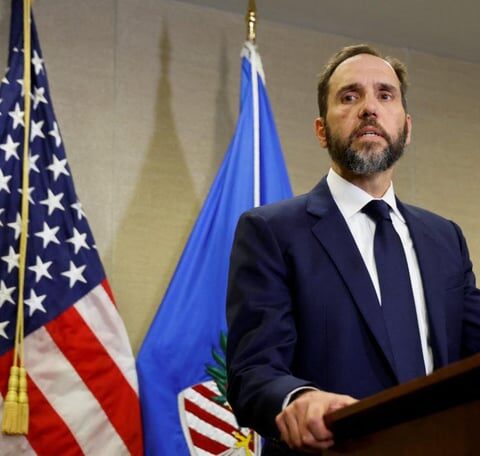
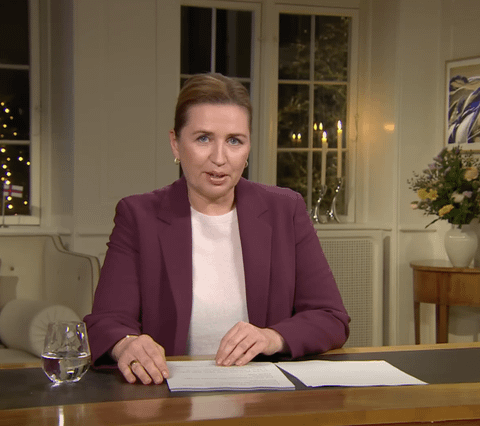
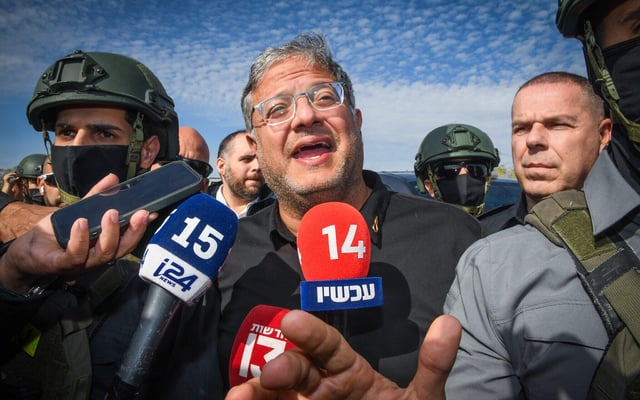
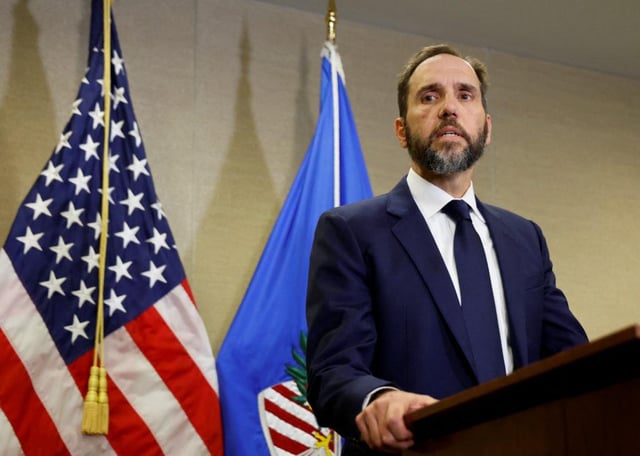
Illustration capturing the essence of a political scene where Czech Foreign Minister Lipavský expresses his intent to remain in office as an independent. Depicting a strategic meeting with President Pavel and coalition members, highlighting discussions and the atmosphere of support, negotiation, and political dynamics.